

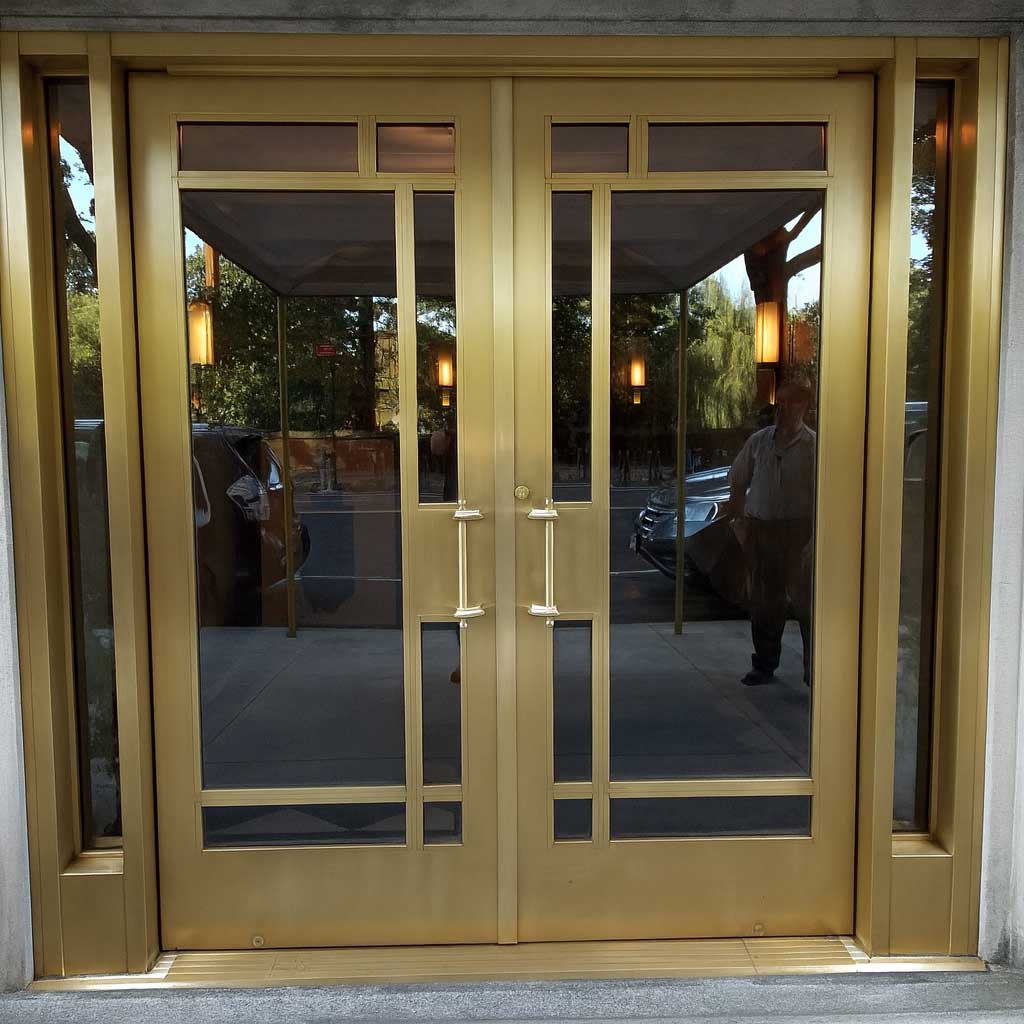
Many property owners ask the same question when looking to modernize their facilities. Can I convert my manual door to automatic? The answer is often yes. In many cases, businesses can upgrade existing doors without replacing the entire entry system. The ability to convert a manual door to an automatic system allows building owners to improve accessibility, convenience, and hygiene while avoiding the higher costs of full door replacement.
Retrofit solutions make it possible to update older buildings quickly and efficiently. Instead of tearing out an existing entryway, specialists can modify the current door with advanced operators that automate the opening and closing process. This approach provides modern functionality while preserving the structure and appearance of the original doorway.
For commercial properties, healthcare facilities, offices, and retail spaces, automatic door conversions have become increasingly popular. They create smoother traffic flow, improve accessibility for people with mobility challenges, and help support touchless entry solutions that many businesses now prioritize.
Why Convert a Manual Door to an Automatic Door?
Retrofitting existing doors offers several benefits for businesses that want to modernize their entryways without extensive construction.
Improved Accessibility
Automatic doors significantly improve accessibility for customers, employees, and visitors. Individuals using wheelchairs, walkers, or other mobility aids can enter and exit more easily when doors open automatically.
Many commercial facilities also need to meet accessibility guidelines. Automatic doors can help buildings align with accessibility requirements and provide inclusive entry for everyone.
Greater Convenience for High Traffic Spaces
In busy environments such as hospitals, office buildings, and retail stores, people frequently enter while carrying items. Automatic doors eliminate the need to push or pull heavy doors, creating a smoother and faster experience.
Common locations that benefit from automation include:
- Medical facilities and clinics
- Retail stores and shopping centers
- Office buildings
- Restaurants and hospitality venues
- Educational institutions
Enhanced Hygiene and Touchless Entry
Non-contact entry solutions have become increasingly important in recent years. Automatic doors allow users to enter without touching handles or push plates.
Touchless operation can be achieved through:
- Motion sensors
- Wave-to-open sensors
- Touchless activation switches
- Remote access controls
These systems help reduce the spread of germs and create a cleaner environment for employees and customers.
Cost-Effective Modernization
Replacing an entire door system can be expensive and disruptive. Retrofitting allows businesses to keep their existing door while upgrading it with an automated operator.
Benefits of retrofit automation include:
- Lower installation costs
- Faster project timelines
- Minimal disruption to operations
- Preservation of existing architectural elements
In many cases, the conversion process can be completed in just a few hours.
How Manual Doors Are Converted to Automatic
The process of converting a manual door into an automatic one typically involves installing an operator that controls the door’s movement. These operators can be integrated into existing doors and frames without major structural changes.
A professional technician will evaluate several factors before recommending the appropriate system, including:
- Door size and weight
- Traffic volume
- Interior or exterior placement
- Existing door hardware
- Safety and accessibility requirements
Once the correct operator is selected, the technician installs the system and connects it to sensors or activation devices. The result is a door that opens and closes automatically while maintaining safe and reliable operation.
Choosing the Right Door Operator
Selecting the right operator is critical to ensuring reliable performance over time. Door closers and operators in commercial settings must withstand frequent use and varying conditions.
High-traffic environments require durable equipment that can handle constant operation. In these situations, door closers made from strong materials such as cast iron are commonly used because they can withstand heavy-duty workloads.
However, not every door requires the same level of durability.
For areas with lower traffic volumes, lighter-duty equipment may be appropriate. These options often cost less while still delivering dependable performance. Even for lighter-duty doors, reliability remains essential. Operators should be tested for long-term cycle performance to ensure consistent functionality.
When selecting a door operator, technicians typically evaluate:
- Traffic frequency
- Door weight and size
- Environmental exposure
- Accessibility requirements
- Long-term durability needs
A qualified professional can help determine the best solution for each specific application.
Types of Automatic Door Operators
There are several types of operators used when converting manual doors to automatic systems. The right option depends on the door design, aesthetic requirements, and functional needs of the building.
Surface Applied Operators
Surface-applied operators are the most commonly used solution for retrofitting manual doors.
These operators are mounted on the top of the door frame and remain visible after installation. While they are exposed, they are designed to blend with the surrounding hardware and provide dependable performance.
Key characteristics include:
- Mounted on the door frame surface
- Typically installed on the interior side for exterior doors
- Cost-effective automation option
- Widely used in commercial buildings
Because of their straightforward installation and affordability, surface-applied operators are often the preferred solution when upgrading existing manual doors.
Overhead Concealed Door Operators
Overhead concealed operators provide a more discreet appearance by hiding the mechanism within the door frame or structure.
These systems are frequently used in aluminum storefront glass doors where maintaining the visual design of the entryway is important.
Unlike traditional surface-mounted closers, concealed operators remain hidden from view, allowing the building’s architectural style to remain unchanged.
Advantages include:
- Hidden hardware for a clean appearance
- Ideal for glass storefront doors
- Preserves architectural aesthetics
- Maintains a professional storefront design
While concealed operators often involve more complex installation, they are an excellent option for buildings where visual presentation is a priority.
Safety Standards and Industry Compliance
Automatic door systems must meet strict safety and performance standards to ensure reliable operation and protect users.
One of the most important organizations in this industry is the American Association of Automatic Door Manufacturers (AAADM). The AAADM develops guidelines for the safe installation, inspection, and maintenance of automatic door systems.
Working with professionals who follow AAADM standards ensures that your door automation system meets industry safety requirements.
AAADM compliance typically includes:
- Proper sensor placement
- Safe opening and closing speeds
- Regular inspection and maintenance
- Certification for installers and technicians
Routine inspections and maintenance are essential for keeping automatic doors operating safely and efficiently.
When Retrofitting Is the Best Solution
Not every building requires a full door replacement. In many cases, retrofitting an existing door provides the ideal balance of cost efficiency and modern performance.
Retrofit solutions are especially useful for:
- Older buildings with functional doors
- Facilities undergoing accessibility upgrades
- Businesses seeking touchless entry solutions
- Buildings that want to preserve architectural design
With the right equipment and professional installation, converting a manual door can significantly enhance the functionality of an existing entryway.
The Growing Demand for Touchless Entry
In recent years, businesses have increasingly prioritized contact-free access systems. Automatic doors are a key part of this trend.
Touchless technology helps create safer environments in places where many people pass through each day.
Common non-contact door solutions include:
- Motion sensor activation
- Wave to open technology
- Smartphone access integration
- Automatic sliding door systems
These technologies are becoming standard in healthcare environments, commercial buildings, and public spaces.
Frequently Asked Questions
Can any manual door be converted to automatic?
Many manual doors can be converted using retrofit operators. A professional assessment is required to determine whether the existing door frame and hardware are suitable for automation.
How long does it take to convert a manual door?
In many cases, installing a swing door operator can be completed within a few hours. More complex installations may take longer depending on the building structure and door type.
Are automatic doors safe?
Yes. When installed according to AAADM guidelines, automatic doors include sensors and safety features that prevent accidents and ensure smooth operation.
Are automatic doors energy efficient?
Modern automatic door systems are designed to meet energy compliance standards. Many systems include adjustable opening speeds and closing timers that help reduce energy loss.
Can automatic doors be touchless?
Yes. Many automatic doors use motion sensors or wave sensors that allow users to enter without touching the door.
Upgrade Your Entryway with Door Automation Corporation
If you are considering upgrading your building entrance, converting your existing doors may be the perfect solution. Door Automation Corporation specializes in retrofitting commercial spaces with reliable automatic door systems that improve convenience, accessibility, and safety.
Our team provides solutions for convenient access to commercial spaces. We install and service automatic and manual swing, slide, and revolving doors using industry-leading products that ensure functional, dependable, and secure entryways.
Door Automation Corporation also offers modern modifications that enable non-contact door operation, which has become increasingly important for businesses following COVID-19 safety practices.
In addition to retrofit solutions, we install new automatic doors that meet standard automated door energy compliance requirements. Our company works closely as design consultants with many of the top architectural firms in New York City to develop entryway solutions that balance functionality, safety, and aesthetics.
Whether you need to upgrade an existing door or install a brand-new automated entry system, our skilled professionals are ready to help.
Contact us to learn more about how we can help you modernize your building with reliable automatic door solutions. Our experienced team is here whenever you need expert support for your commercial entryway systems.


You must be logged in to post a comment.