In today’s fast-paced and customer-centric world, businesses are constantly seeking ways to enhance accessibility and improve the overall customer experience. Automatic sliding doors have emerged as a key solution for creating welcoming and efficient commercial spaces. These doors not only streamline customer entry and exit but also provide functional, aesthetic, and compliance benefits that align with modern business goals.
Why Accessibility Matters in Commercial Spaces
Accessibility is more than a legal requirement—it is a cornerstone of inclusive business practices. Ensuring that all customers, including those with mobility challenges, can easily navigate your establishment enhances their experience and fosters brand loyalty.
Meeting Diverse Needs
From wheelchair users to parents with strollers and elderly patrons, individuals of all abilities require seamless access to commercial spaces. Manual doors can present significant challenges, particularly when they are heavy or difficult to operate. Automatic sliding doors eliminate these barriers, offering a hands-free solution that promotes inclusivity.
A Competitive Advantage
Businesses that prioritize accessibility often gain a competitive edge. An accessible environment signals that your company values every customer, which can boost foot traffic and foster positive word-of-mouth. Moreover, accessibility improvements often align with other enhancements, such as energy efficiency and aesthetic upgrades, contributing to a more inviting atmosphere.
Key Benefits of Automatic Sliding Doors for Businesses
Automatic sliding doors are more than just an entryway—they are a strategic investment that delivers multiple advantages for businesses.
Improving Customer Flow with Automatic Sliding Doors
Efficient customer flow is essential for commercial spaces, particularly in high-traffic areas such as retail stores, restaurants, and healthcare facilities. Automatic sliding doors facilitate smooth movement by opening instantly when someone approaches and closing just as swiftly. This not only minimizes congestion but also enhances safety by reducing the risk of door-related accidents.
Sliding doors also provide an intuitive and user-friendly experience. Customers appreciate the ease of walking into a store or office without having to manually open a door, which is particularly beneficial when their hands are full. This small convenience can significantly elevate the overall customer experience.
Energy Efficiency and Cost Savings with Sliding Doors
Modern automatic sliding doors are designed with energy efficiency in mind. Their rapid open-and-close mechanism helps regulate indoor temperatures, minimizing heat loss in the winter and keeping air conditioning inside during the summer. This contributes to reduced energy consumption and lower utility bills.
Additionally, many automatic sliding doors are equipped with advanced sensors and timers that ensure they operate only when needed, further optimizing energy use. Over time, these cost savings can offset the initial investment, making sliding doors a financially sound choice for businesses.
Ensuring ADA Compliance with Modern Automatic Doors
The Americans with Disabilities Act (ADA) requires businesses to provide accessible entrances for individuals with disabilities. Automatic sliding doors are an excellent way to meet these standards while enhancing the overall functionality of your space.
These doors are designed to accommodate wheelchair users, offering a wide and unobstructed entryway. They also comply with ADA requirements for force and speed, ensuring that they operate safely for all users. Installing ADA-compliant doors not only prevents potential legal issues but also demonstrates your business’s commitment to inclusivity.
How to Choose the Right Automatic Sliding Door for Your Business
Selecting the ideal automatic sliding door requires careful consideration of your business’s unique needs, aesthetics, and budget. Here are some factors to guide your decision.
Assessing Traffic Patterns
Understanding the flow of traffic in your space is crucial when choosing a sliding door. For businesses with high foot traffic, such as shopping malls or hospitals, doors with robust sensors and quick response times are essential. For smaller offices or boutique stores, a single-panel sliding door may suffice.
Prioritizing Durability and Maintenance
Automatic sliding doors are an investment, so it’s important to choose a product that is durable and easy to maintain. Look for doors made from high-quality materials and equipped with reliable mechanisms. Additionally, partnering with a reputable service provider, like Door Automation Corporation, ensures that your doors are installed correctly and maintained regularly for optimal performance.
Enhancing Aesthetics
Automatic sliding doors come in various styles and finishes, allowing you to select a design that complements your building’s architecture. From sleek glass panels to custom finishes, these doors can enhance the visual appeal of your space while maintaining functionality.
A Trusted Partner for Your Automatic Sliding Door Needs
At Door Automation Corporation, we understand the pivotal role that automatic sliding doors play in modern commercial spaces. We provide tailored solutions that prioritize accessibility, energy efficiency, and aesthetic appeal. Whether you need new installations or modifications for non-contact door operation, we have the expertise to deliver exceptional results.
Why Choose Door Automation Corporation?
Comprehensive Solutions: We offer a full range of products for commercial spaces, from swing and sliding doors to revolving and manual options.
Expert Team: Our skilled professionals work closely with top architectural firms in New York City to ensure seamless design and installation.
Energy Compliance: We provide automatic doors that meet standard energy compliance requirements, helping businesses align with modern sustainability goals.
Non-Contact Options: In light of COVID-19, we offer solutions for non-contact door operation, promoting hygiene and safety.
Elevate Your Business with Automatic Sliding Doors
Enhancing accessibility with automatic sliding doors is a smart move for any business looking to improve customer experience, comply with accessibility standards, and optimize operational efficiency. These doors provide a seamless, energy-efficient, and aesthetically pleasing entryway that benefits both businesses and their customers.
Partner with Door Automation Corporation to transform your commercial space into an accessible and welcoming environment. With our reliable professionals, industry-leading products, and commitment to excellence, we’re here to help your business thrive. Contact us today to learn more about our automatic door solutions and schedule a consultation. Together, let’s create entryways that open the door to endless possibilities.
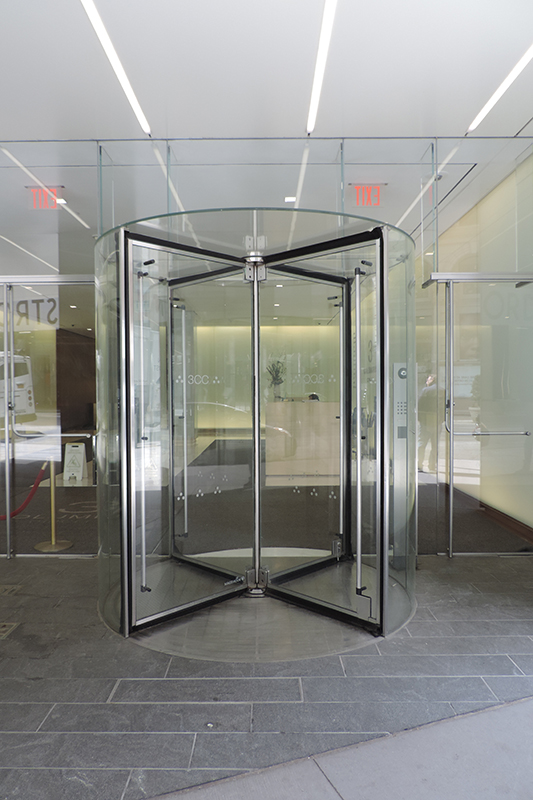
Revolving doors are more than just entryways—they are an elegant fusion of functionality, efficiency, and aesthetic appeal. For commercial spaces, they serve as a statement piece while optimizing traffic flow and improving energy efficiency. Selecting the right revolving door involves balancing practical considerations and design aspirations.
Why Revolving Doors Are Ideal for Commercial Spaces
Revolving doors have become a staple of modern architecture, especially in bustling commercial environments. Their unique design offers numerous advantages that other entry systems cannot match.
How Revolving Doors Enhance Energy Efficiency and Traffic Flow
One of the standout benefits of revolving doors is their ability to maintain indoor climate control. Unlike traditional swinging or sliding doors, revolving doors minimize air exchange between the interior and exterior, significantly reducing heating and cooling costs. This energy efficiency is particularly important for high-traffic buildings where doors are constantly in use.
Additionally, revolving doors manage foot traffic more effectively. They create a continuous flow, preventing bottlenecks during peak hours. This feature is especially beneficial for hotels, office buildings, and shopping centers where smooth entry and exit are essential for a positive visitor experience.
Aesthetic Appeal and Brand Identity
Revolving doors add a touch of sophistication to any building. Available in a variety of materials and finishes, they can complement the architectural style of your space while making a lasting impression on visitors. From sleek glass designs to bold metallic accents, revolving doors can be tailored to reflect your brand identity.
Factors to Consider When Choosing a Revolving Door
Selecting the right revolving door requires careful consideration of various factors, from size to material to safety standards. Here’s what you need to know.
Understanding Material and Design Options for Revolving Doors
Revolving doors are available in a wide range of materials and designs, allowing you to find a solution that meets your aesthetic and functional needs.
Glass Panels
Glass revolving doors offer a sleek, modern look and allow natural light to flood your entryway. They are often used in retail stores, hotels, and office buildings to create an open and inviting atmosphere.
Metal Finishes
For a more industrial or robust design, consider revolving doors with stainless steel or aluminum finishes. These materials are durable and resistant to wear, making them ideal for high-traffic areas.
Wood Accents
If your commercial space features a classic or rustic design, wood-framed revolving doors can add a touch of warmth and elegance.
Customization Options
Many revolving door systems allow for extensive customization. Add your company’s logo, select specific colors, or choose unique configurations to create an entryway that aligns with your brand.
Maintaining Safety Standards with Modern Revolving Doors
Safety is a critical aspect of any revolving door installation. Modern systems are equipped with advanced features to ensure user safety, including:
Sensor Technology: Automatic revolving doors often feature motion sensors and emergency stop functions to prevent accidents.
Accessibility Compliance: Ensure your revolving door meets ADA standards by incorporating wider compartments or automatic opening features.
Fire and Security Standards: Verify that the revolving door system complies with local building codes, including fire safety and emergency egress requirements.
Size and Configuration
The size of your revolving door should correspond to the level of traffic your commercial space experiences. Larger doors with multiple compartments are better suited for high-traffic environments like airports or malls, while smaller doors are ideal for boutique shops or office buildings with moderate foot traffic.
Benefits of Professional Installation for Revolving Doors
Revolving door installation is a complex process that requires precision and expertise. Hiring a professional ensures your door functions seamlessly and complies with safety standards.
Expertise in Customization and Compliance
Professional installers can tailor your revolving door to fit your specific needs. Whether you need a custom size, unique material, or advanced safety features, experts ensure the door integrates perfectly with your building design.
They also stay current on building codes and regulations, guaranteeing that your door meets energy efficiency and accessibility standards.
Long-Term Reliability and Maintenance
A professionally installed revolving door is more likely to operate smoothly for years to come. Regular maintenance services offered by professionals further extend the life of your investment, addressing potential issues before they escalate.
Why Choose Door Automation Corporation?
When it comes to revolving doors, working with a trusted partner like Door Automation Corporation ensures you receive a high-quality, reliable solution tailored to your commercial space.
Unparalleled Expertise: We collaborate closely with top architectural firms in New York City, delivering innovative door solutions that align with modern design trends.
Energy Compliance: Our automatic doors meet standard automated door energy compliance requirements, reducing operational costs.
Non-Contact Door Openings: In response to COVID-19, we have modified non-contact door operations to ensure safety and convenience.
Comprehensive Product Range: From revolving doors to swing, slide, and manual doors, we offer solutions for every need.
Contact Us Today
Revolving doors are more than just entryways—they are a reflection of your commercial space’s identity and a tool to enhance its functionality. Let Door Automation Corporation help you find the perfect solution. Contact us today to explore our extensive range of revolving doors and other access solutions. With our expertise and commitment to quality, we’ll ensure your building’s entryway is functional, secure, and visually striking.
Walk into almost any landmark office tower, museum, or high-end retail space in Manhattan and you have almost certainly passed through one without realizing it. Balanced doors are one of the most technically refined entrance systems in commercial architecture, combining an offset pivot mechanism with precision engineering to deliver effortless operation, superior energy control, and a clean aesthetic that standard swing doors simply cannot match. This guide covers how they work, where they are used, and why architects and property managers across New York and New Jersey continue to specify them for demanding commercial environments.
The offset pivot system is what separates a balanced door from a standard swing door. Weight is distributed across the pivot axis rather than loaded entirely on the hinge side.
What Is a Balanced Door? The Engineering Behind the Design
A balanced door is a type of commercial entrance door that pivots on an offset axis rather than swinging from a traditional side hinge. The pivot point is positioned roughly one-third of the way across the door panel width, which distributes the door’s weight on both sides of the pivot. This distribution is what makes the door feel light and controlled to the user regardless of the actual size or weight of the panel.
The result is a door that can be opened with minimal effort even when it is large, heavy, and subject to wind pressure or building stack effects. That combination of low operating force and structural resilience is why balanced doors appear consistently in the most demanding commercial entrances, from airport terminals to urban office towers to hospital lobbies.
What Is a Balanced Door Pivot System vs. a Standard Hinge
Understanding the difference between a balanced pivot and a conventional door hinge clarifies exactly why the two perform so differently in commercial use:
Feature
Balanced Door (Offset Pivot)
Standard Swing Door (Side Hinge)
Pivot location
Approx. one-third from the pull side
Edge of the door frame
Weight distribution
Balanced across pivot axis
Full weight loaded on hinge side
Operating force required
Very low, even for oversized panels
Increases significantly with door size
Wind resistance
High, pivot absorbs lateral pressure
Moderate, can be difficult in high-wind conditions
Swing path over building line
Minimal (typically under 18 inches)
Full door width swings out
ADA compliance
Achievable with low operating force
Requires operator or low-energy assist
How Balanced Door Systems Work in High-Traffic Commercial Environments
The mechanics of a balanced door go beyond just the pivot point. The full system includes a floor closer, an overhead concealed closer, and the pivot hardware itself, all working in coordination to control the door’s speed, return force, and hold-open behavior. This makes the system more mechanically complex than a standard swing door but far more capable in environments where doors cycle hundreds of times per day.
A balanced door installation at a commercial property in Manhattan. The minimal swing path over the sidewalk line is a critical requirement in dense urban environments.
The Offset Pivot and Why It Matters in Urban Settings Like New York City
In dense urban environments, the swing path of a door over the public sidewalk is a regulatory and practical issue. New York City building codes restrict how far a door can project over the building line, typically limiting outward swing to no more than 18 inches. A standard side-hung door on a wide commercial opening can easily exceed that limit, creating code compliance problems and pedestrian hazards.
The offset pivot on a balanced door solves this directly. Because the door pivots on an interior axis rather than swinging from the edge, the exterior projection of the door is dramatically reduced. This is one of the primary reasons that balanced doors became so prevalent in Manhattan and other dense urban markets where large commercial entrances and tight sidewalk clearances coexist.
Where Balanced Doors Are Specified in Commercial Architecture
Balanced doors appear across a wide range of commercial building types where the combination of high traffic volume, large opening sizes, and aesthetic expectations rules out simpler door systems:
Class A office buildings: Lobby entrances with oversized glass panels and monumental proportions benefit from the effortless operation and clean sightlines of a balanced system.
Hotels and hospitality properties: High guest volume and a premium aesthetic expectation make balanced doors a natural fit for main entrances and ballroom corridors.
Museums and cultural institutions: Large, heavy door panels can be operated easily by visitors of all ages and abilities.
Airports and transit hubs: Continuous cycling in high-wind airside and landside environments is where the wind resistance of the balanced mechanism proves its value.
Healthcare facilities: Low operating force supports accessibility requirements, and the controlled close speed reduces noise and impact in patient care settings.
Retail flagships: Brand-conscious retailers use oversized balanced door panels as an architectural statement at street level, particularly in Manhattan and urban New Jersey markets.
Large-format balanced door entrance at a commercial property. Oversized panels are one of the primary use cases where the balanced pivot system outperforms standard swing hardware.
Balanced Doors and ADA Compliance
The Americans with Disabilities Act (ADA) sets specific requirements for the operating force allowed on accessible doors in commercial buildings. Interior doors must require no more than 5 pounds of force to open, while exterior doors have a higher threshold but must still be operable without tight grasping or twisting.
How Balanced Automatic Doors Meet ADA Operating Force Requirements
Because the balanced pivot distributes weight across the door panel, the actual force required to operate the door is significantly lower than a side-hung door of the same size and weight. A well-specified and properly maintained balanced door can meet ADA force requirements without an automatic operator in many applications, which can reduce installation cost compared to adding a low-energy swing door operator to a standard hinge door.
When ADA compliance is a primary driver of the specification, it is worth reviewing our detailed look at commercial swinging door service and ADA requirements alongside balanced door options, since the right choice depends on opening size, traffic volume, and budget.
Energy Efficiency Benefits of Balanced Door Systems
Energy performance at the building envelope is a growing priority for commercial property owners in New York and New Jersey, driven by both operating cost pressures and compliance requirements under the NYC Energy Conservation Code and New Jersey’s energy standards.
How Balanced Doors Reduce Air Infiltration and Combat Stack Effect
Balanced doors contribute to building energy performance in two primary ways:
Reduced air infiltration: The precision alignment of the balanced pivot system, combined with high-quality perimeter seals and threshold seals, minimizes gaps around the door panel. Less air movement through the entrance means lower heating and cooling loads.
Stack effect management: In tall commercial buildings, the pressure differential between lower and upper floors creates a stack effect that forces air through every available gap at lower levels. The controlled operation and tight sealing of a balanced door system is significantly more effective at limiting this infiltration than a loosely fitted standard door.
For buildings pursuing LEED certification or targeting energy performance benchmarks, specifying balanced doors at primary entrances is a documented strategy for improving envelope performance metrics.
Balanced Doors vs. Other Commercial Entrance Systems
Balanced doors are not the right solution for every opening. Understanding how they compare to other commercial entrance types helps architects and property owners make the right specification decision:
Door Type
Best For
Limitations
Balanced Door
Large, heavy panels; dense urban sites; monumental entrances
Higher hardware cost; requires professional maintenance
Not suitable for primary exterior commercial entrances
For a broader look at the full range of commercial entrance options, our commercial door types guide covers each system in detail.
Materials, Finishes, and Customization for Balanced Doors
Balanced doors are specified in a wide range of materials and finishes, making them adaptable to virtually any architectural program:
Aluminum: The most common framing material for commercial balanced doors. Lightweight, corrosion-resistant, and available in a full range of anodized and painted finishes.
Stainless steel: Used in high-end retail, hospitality, and institutional applications where a premium finish and maximum durability are required.
Bronze: A classic specification for landmark buildings, cultural institutions, and historic properties where patina and architectural character are priorities.
Glass infill: Most commercial balanced doors use tempered or laminated glass infill panels. Insulated glass units can be specified for improved thermal performance.
Wood and specialty materials: Interior balanced doors in hospitality and high-end office environments can incorporate wood veneer, decorative metal, or other specialty infill materials.
Aluminum-framed balanced doors with full glass infill panels are among the most common specifications for modern commercial office buildings in New York City.
Maintenance Requirements for Balanced Door Hardware
The floor closer and overhead concealed closer in a balanced door system require periodic adjustment and lubrication to maintain proper operation. Pivot hardware should be inspected for wear, and seals should be checked and replaced as needed to maintain energy performance. Because the mechanical components are more complex than a standard hinge, balanced door maintenance is not a DIY task.
A scheduled commercial door maintenance program that includes balanced door hardware inspection is the most cost-effective way to prevent premature wear on the pivot system and floor closer, which are the most expensive components to replace. Buildings that skip scheduled maintenance typically face significantly higher repair costs and more frequent downtime.
What is a balanced door and how does it differ from a regular door?
A balanced door pivots on an offset axis located approximately one-third of the way across the door panel, distributing the panel’s weight on both sides of the pivot. A standard door hangs entirely from hinges on one edge, meaning all of the door’s weight is loaded onto the hinge side. The balanced pivot system results in much lower operating force and better performance in wind and high-traffic conditions.
Are balanced doors ADA compliant?
Yes, balanced doors can meet ADA operating force requirements when properly specified and maintained. Because the pivot distributes the door’s weight, the force required to open the door is significantly lower than a side-hung door of equivalent size. The ADA sets a maximum of 5 pounds of interior door operating force and has separate guidance for exterior doors, both of which a well-maintained balanced door can satisfy.
What types of buildings typically use balanced doors?
Balanced doors are most common in Class A office buildings, hotels, museums, airports, hospitals, and high-end retail environments. They are particularly prevalent in dense urban markets like Manhattan where limited sidewalk clearance restricts how far a door can swing over the building line.
How much do balanced doors cost compared to standard commercial doors?
Balanced door hardware carries a higher upfront cost than standard swing door hardware due to the precision pivot system and concealed closer components. Total installed costs vary significantly based on panel size, material, glazing, and hardware specification. Contact our team directly for a project-specific estimate.
Do balanced doors require special maintenance?
Yes. The floor closer, overhead concealed closer, and pivot hardware all require periodic inspection, adjustment, and lubrication by a qualified door service technician. Annual preventative maintenance is strongly recommended to protect the pivot hardware and maintain proper operating force and close speed.
Can a balanced door be automated?
Yes, balanced doors can be integrated with low-energy automatic operators that allow hands-free activation via push plates, motion sensors, or access control systems. This is a common specification in healthcare facilities and ADA-accessible entrances where hands-free operation is required. Our team can assess the right automation approach for your specific balanced door configuration.
Get Expert Guidance on Balanced Door Specification and Installation
Balanced doors represent one of the more technically demanding entrance specifications in commercial architecture, and getting the hardware selection, installation, and ongoing maintenance right makes a significant difference in long-term performance. At Door Automation Corporation, we work with architects, property managers, and general contractors across New York City, Long Island, and New Jersey on balanced door projects of all scales.
Contact us today to discuss your project requirements and get expert guidance on balanced door specification, installation, and service.
The global pandemic has left an indelible mark on how we approach hygiene and safety in public spaces. One significant shift has been the growing adoption of touchless entry systems to enhance cleanliness and convenience. These systems have become the gold standard for modern buildings, providing seamless, hands-free access that minimizes the spread of germs and aligns with heightened hygiene expectations.
What Are Touchless Entry Systems?
Touchless entry systems allow users to activate doors without physical contact. Instead of pressing a button or turning a handle, these systems rely on wave switches that detect a user’s hand movement or proximity.
Wave switches—a key component of touchless systems—offer advanced, user-friendly solutions for controlling automatic doors. By requiring only a simple wave to activate, they eliminate the need for physical contact entirely. These systems are ideal for environments where cleanliness and accessibility are paramount, such as hospitals, office buildings, schools, and retail spaces.
Wave Switches vs. Standard Press Wall Activation Switches
While both wave switches and press wall activation switches serve the same fundamental purpose—opening a door—they differ significantly in functionality, hygiene, and user experience.
Hygiene
One of the most compelling reasons to choose a touchless entry system is improved hygiene. Press wall switches require physical contact, making them a hotspot for germs and bacteria. Every touch increases the risk of cross-contamination, especially in high-traffic areas like restrooms or hospital corridors.
In contrast, wave switches eliminate this concern. By requiring no physical contact, they significantly reduce germ transmission, helping facilities maintain higher hygiene standards.
Durability and Maintenance
Standard press switches can wear out over time due to repeated physical use. Cracks, dents, and malfunctioning components often require maintenance or replacement, adding to operational costs.
Wave switches, on the other hand, experience minimal wear and tear. Since they don’t rely on physical pressure, they are more durable and require less frequent maintenance, making them a cost-effective option for long-term use.
User Experience
For people with limited mobility, traditional press switches may present challenges. Reaching and pressing a button can be inconvenient or even impossible for some individuals. Wave switches, however, offer an inclusive solution. With just a simple hand wave, anyone can activate the door, ensuring that facilities meet modern accessibility standards.
Advantages of Touchless Entry Systems
Enhanced Hygiene Standards
Public buildings often accommodate thousands of visitors daily, making surfaces like door handles and press switches breeding grounds for germs. Touchless entry systems mitigate this problem by eliminating the need for physical interaction with entry points. This advancement has become particularly critical in healthcare facilities, food service establishments, and schools, where hygiene is a top priority.
Improved Accessibility
Touchless systems cater to people of all abilities. Their intuitive design ensures that everyone, including individuals with physical disabilities, can easily use the system without additional assistance. This inclusivity is essential for public spaces looking to comply with ADA (Americans with Disabilities Act) regulations.
Energy Efficiency
Many touchless entry systems integrate with energy-efficient door solutions, ensuring compliance with modern standards. Wave switches can be configured to activate only when necessary, reducing unnecessary energy consumption and contributing to sustainability goals.
Modern Aesthetics
Wave switches and other touchless entry systems also enhance a building’s overall design. Their sleek, modern appearance aligns with contemporary architectural trends, making them an attractive option for commercial spaces that value style alongside functionality.
Reduced Maintenance Costs
By eliminating mechanical components that experience frequent wear, touchless systems often require less maintenance. Over time, this leads to lower costs for property owners while maintaining reliable performance.
Applications of Touchless Entry Systems
Touchless entry systems are versatile and can be implemented in various settings, including:
Healthcare Facilities: Ensuring sterile environments in hospitals, clinics, and laboratories.
Educational Institutions: Supporting hygienic entry points in schools and universities.
Retail Spaces: Offering customers a hands-free, convenient shopping experience.
Corporate Offices: Promoting cleanliness and professionalism in work environments.
Public Restrooms: Eliminating contact with germ-prone surfaces.
COVID-19 and the Rise of Touchless Solutions
The COVID-19 pandemic accelerated the demand for touchless entry systems. As people became more conscious of surface contamination risks, the need for hygienic, hands-free options grew. Today, touchless entry solutions are not just a temporary trend but a lasting shift in how public buildings are designed and managed.
Businesses that adopt touchless systems demonstrate their commitment to health and safety, reassuring employees, clients, and visitors that their well-being is a priority.
Why Choose Door Automation Corporation for Touchless Entry Systems?
At Door Automation Corporation, we specialize in providing innovative entry solutions for commercial spaces. Our team works with industry-leading products to deliver reliable, functional, and secure entryways tailored to your needs. Whether you’re looking to retrofit existing doors with touchless systems or install new automatic doors, we have the expertise to get the job done.
Here’s what sets us apart:
Comprehensive Solutions: We offer a variety of touchless entry systems, including wave switches and energy-compliant automatic doors.
Expert Design Consulting: Our professionals collaborate closely with top architectural firms in New York City to integrate touchless systems seamlessly into building designs.
Proven Reliability: With years of experience, our skilled team ensures that your doors operate efficiently and provide dependable performance day in and day out.
Tailored Services: From retrofitting manual doors to designing state-of-the-art automatic entryways, we customize solutions to meet your specific requirements.
The Future of Touchless Entry Systems
As technology advances, touchless entry systems will only become more sophisticated and widely adopted. Features like smart sensors, integration with building management systems, and customizable settings will further enhance their functionality and appeal. Public buildings that invest in these solutions now will be well-positioned to meet future hygiene and accessibility standards.
Contact Us Today
Elevate the hygiene, convenience, and accessibility of your building with cutting-edge touchless entry systems from Door Automation Corporation. Our reliable solutions not only enhance the user experience but also align with modern design and sustainability goals. Whether you need wave switches, automatic door installations, or expert consulting, we’re here to help.
Explore our range of products and services. Contact us to discuss how we can revolutionize your entry systems and ensure your building is equipped for the future. Let us help you create a cleaner, safer, and more welcoming environment for everyone who walks through your doors.