

Commercial Manual Door Service & Repair
Commercial manual door service in New York and New Jersey helps commercial properties keep storefront doors, lobby entrances, hotel entries, office doors, service doors, and interior access points safe, secure, smooth, and dependable. Door Automation Corporation services manual doors for retail buildings, healthcare facilities, office properties, hospitality environments, schools, mixed-use buildings, and managed commercial facilities that need reliable entrance hardware without daily problems.
For urgent manual door problems involving failed locks, broken closers, dragging doors, damaged glass, unsafe movement, failed panic hardware, or an entrance that cannot be secured, emergency automatic door repair is available.
Commercial Manual Door Service for Busy Building Entrances
Manual commercial doors may not have powered operators, but they still do serious work every day. A storefront door may cycle hundreds of times during business hours. A hotel entrance may handle guests, staff, deliveries, and weather exposure. An office door may need to secure properly after every use. A service entrance may take constant impact from carts, equipment, and staff traffic. When manual doors start dragging, slamming, sticking, failing to latch, or wearing through hardware, the entrance becomes a security issue, safety issue, and daily frustration.
Door Automation services manual entrances by looking at the full opening. Door condition, frame condition, pivots, hinges, closers, locks, handles, thresholds, panic hardware, seals, and alignment all affect whether the door actually works after repair. Replacing one visible part without correcting the cause can lead to repeat service calls, damaged frames, broken glass, or a door that still does not close correctly.
Commercial manual door service for storefronts, lobbies, and interior access points
- Closer repair and replacement for doors that slam, close too slowly, leak fluid, fail to latch, or move unpredictably
- Pivot and hinge service for sagging doors, loose hardware, worn bearings, dragging leaves, and frame contact
- Lock, latch, and strike repair for entrances that will not secure, release, align, or operate consistently
- Panic hardware and exit device service for public-facing entrances, back exits, service routes, and code-sensitive openings
- Threshold, sweep, and seal repair for drafts, scraping, air leakage, water intrusion, and poor entrance comfort
Door Automation also services automatic sliding doors, swinging doors, revolving doors, and balanced doors for properties with multiple entrance systems.
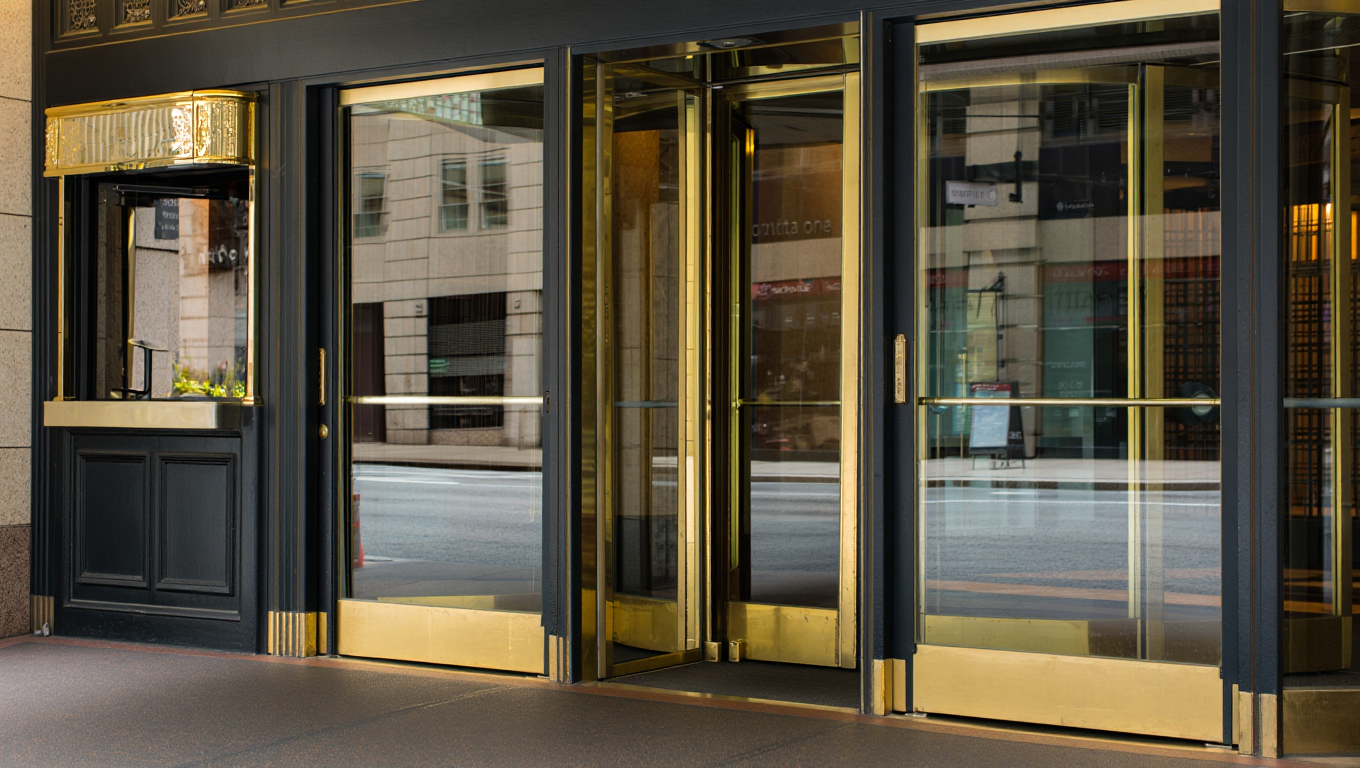
Common Manual Door Problems That Need Professional Service
Manual doors usually show warning signs before they fully fail. A small scrape, weak latch, loose handle, leaking closer, or slow return can turn into a lockout, broken glass, unsafe exit path, accessibility complaint, or after-hours security problem if it is ignored.
Commercial Manual Door Service for Dragging Doors
Dragging at the floor, threshold, or frame often points to hinge wear, pivot wear, loose fasteners, door sag, frame movement, or a clearance problem that needs correction before damage spreads.
Closers That Slam or Fail to Latch
A bad closer can make a door slam, close too slowly, stay open, fail to latch, or put unnecessary stress on the frame, glass, lock, and hardware.
Locks and Latches That Do Not Line Up
If a door only locks when someone pulls, lifts, or forces it into position, the issue may be alignment, strike placement, lock wear, frame movement, or damaged hardware.
Panic Hardware Problems
Exit devices and panic bars need to release cleanly and latch securely. Sticking, loose, damaged, or poorly aligned hardware can create safety and security concerns.
Drafts and Poor Sealing
Worn sweeps, damaged weatherstripping, bad thresholds, and misaligned doors can let air, moisture, noise, and debris into the building.
Loose Handles and Worn Hardware
Loose pulls, cracked handles, stripped fasteners, worn pivots, and damaged locks are not just appearance problems. They often signal deeper entrance wear.
Facilities dealing with repeated entrance problems can also use how to know when an automatic door needs repair and ways to lower automatic door repair costs for practical repair planning.
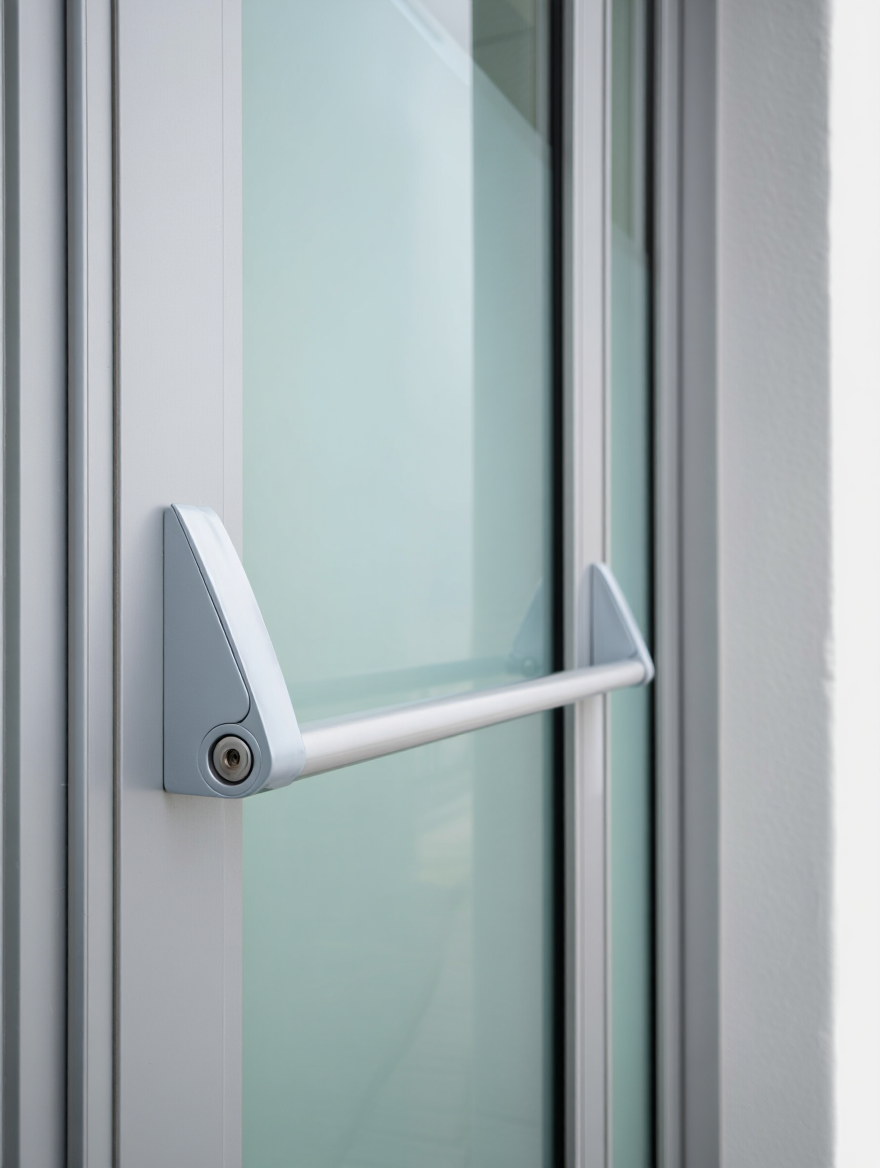
Manual Door Repair for Closers, Pivots, Locks, and Panic Hardware
Manual door repair is usually mechanical, but that does not make it simple. A closer problem may actually be an alignment problem. A lock problem may be caused by door sag. A dragging threshold may come from pivot wear. A panic bar may stick because the door is not sitting correctly in the frame. Door Automation checks how the whole entrance works together before recommending the repair.
Commercial manual door service includes full opening checks
- Door closer inspection for leaking fluid, poor sweep speed, weak latch speed, slamming, delayed closing, and unsafe movement
- Pivot and hinge inspection for wear, looseness, sag, bearing problems, stripped fasteners, and frame stress
- Lock and latch inspection for poor alignment, worn strikes, damaged cylinders, mortise hardware issues, and security problems
- Panic hardware inspection for release problems, dogging issues, loose devices, latch failure, and damaged exit hardware
- Threshold and seal inspection for rubbing, drafts, water entry, worn sweeps, damaged bottoms, and poor door clearance
Closer and control problems
Closers control how a manual door behaves after each use. When they leak, lose pressure, slam, or fail to latch, the entrance becomes harder to manage and more likely to damage surrounding hardware.
Pivot and alignment problems
Pivot and hinge wear can make the door sag, scrape, bind, or miss the latch. Correcting alignment early helps protect glass, frames, thresholds, locks, and closers.
Parts and component planning
For closers, pivots, exit devices, locks, thresholds, and specialty hardware, automatic door parts and components support can help property teams identify what the entrance needs.
Service documentation
Service notes help facility teams track recurring manual door problems, identify high-wear entrances, plan maintenance, and decide when replacement or modernization is more practical than another repair.
Manual Door Maintenance for High-Traffic Commercial Buildings
Manual doors wear down quietly. A loose arm, slow closer, dragging leaf, failing latch, or worn pivot can keep working just enough to be ignored until the door fails during a busy period. Preventive maintenance helps catch these problems before they turn into broken hardware, lockouts, unsafe exits, or damaged entrance systems.
Closer and Hardware Checks
Routine checks help identify leaking closers, poor sweep speed, weak latch speed, loose arms, stripped fasteners, damaged handles, and hardware that is no longer holding up to traffic.
Pivot, Hinge, and Alignment Review
Alignment review helps stop dragging, frame contact, threshold scraping, uneven gaps, and sagging before the door damages surrounding components.
Locks, Panic Hardware, and Security
Locks, latches, strikes, cylinders, and exit hardware should be checked so doors secure properly and release cleanly without forcing, slamming, or repeated staff workarounds.
A structured automatic door maintenance contract can also cover manual entrances when a property needs scheduled checks across multiple doors, entrances, and access points.
Manual Door Service by Property Type
Manual doors are used throughout commercial buildings because they are practical, durable, and cost-effective. They still need professional service because they affect access, security, accessibility, comfort, and daily user experience. A poorly functioning manual door can create the same operational headache as a failed automatic entrance.
Commercial buildings that commonly need manual door service
- Retail storefronts, shopping centers, and customer-facing entrances
- Hotels, hospitality properties, restaurants, and event spaces
- Office buildings, tenant entrances, interior corridors, and service routes
- Healthcare facilities, clinics, schools, and institutional buildings
- Mixed-use properties, apartment common areas, and managed commercial buildings
- Back-of-house doors, delivery entrances, exit doors, and secondary access points
Property-specific support includes automatic door service for retail properties, automatic door service for hospitality properties, automatic door service for office buildings, and automatic door service for property management.
Storefront Manual Doors, Glass Entrances, and Commercial Hardware
Storefront manual doors are especially sensitive to alignment and hardware wear because they combine daily public use with glass, aluminum framing, locks, handles, thresholds, pivots, and closers. Small problems are visible to customers and can quickly affect the way the business looks and operates.
Common storefront manual door service needs
- Glass door alignment for scraping, uneven gaps, latch misses, and poor closing action
- Closer repair for slamming, leaking, weak latching, or poor control during heavy traffic
- Lock and pull handle service for daily security, after-hours locking, and customer-facing hardware condition
- Threshold and sweep replacement for drafts, rubbing, weather exposure, and worn entry components
- Repair-versus-replacement guidance when the door, frame, or hardware package is too worn to keep repairing
For storefront-specific entrance problems, storefront door repair covers common commercial glass entrance issues.
Manual Door Systems, Hardware, and Product References
These product references can help facility teams, property managers, and project teams review commercial manual door systems, specialty entrance products, and hardware options before service, replacement, or upgrade planning.
Manual Door and Specialty Entrance PDFs
Repair, Replacement, and Hardware Planning
PDFs can help identify available systems and product types, but the best repair recommendation still depends on the actual door, frame, hardware, usage level, and safety needs at the property. Door Automation can help determine whether a manual entrance needs a targeted repair, a hardware package update, or replacement planning.
For active repair needs, contact Door Automation with the door type, entrance location, symptoms, and any known hardware details.
Safe, Accessible Manual Door Operation
Manual doors affect accessibility, egress, and daily safety even without powered operators. A door that is too heavy, poorly aligned, slow to close, hard to latch, or fitted with damaged hardware can create real problems for customers, tenants, staff, patients, and visitors. Entrance service should make the door easier to use, easier to secure, and more predictable in daily traffic.
Safety and usability concerns to address
- Opening force that feels too heavy for public use or creates accessibility concerns
- Slamming or uncontrolled closing caused by failing closers, poor adjustment, wind, or alignment problems
- Panic hardware problems that interfere with clean release, secure latching, or dependable exit function
- Lock and latch misalignment that forces staff to lift, pull, slam, or manipulate the door to secure it
- Threshold and clearance problems that cause rubbing, tripping concerns, drafts, or difficult movement
For official accessibility design guidance, the U.S. Access Board ADA standards provide federal accessibility information for public-facing built environments.
Manual Doors and Automatic Entrance Planning
Some entrances should stay manual. Others may need automatic operation, power assist, access control coordination, or a different door type depending on traffic, accessibility needs, security requirements, and building layout. Door Automation can help determine whether the current manual door should be repaired, upgraded, replaced, or converted into a better entrance solution.
When a manual door may need a larger update
- Repeated hardware failures despite recent repairs
- Doors that are difficult for visitors or staff to use
- Entrance security needs that have changed over time
- Recurring accessibility concerns or opening-force complaints
- Damaged frames, warped leaves, broken glass, or major fit problems
- High-traffic entrances where manual operation is no longer practical
For larger entrance updates, Door Automation provides commercial automatic door installation and automatic door modernization.
Commercial Manual Door Service FAQs
Answers for commercial property teams scheduling manual door repair, maintenance, hardware service, or entrance planning in New York and New Jersey.
What does commercial manual door service include?
Commercial manual door service can include closer repair, hinge or pivot replacement, door alignment, lock and latch repair, panic hardware service, threshold replacement, seal work, storefront door repair, and general entrance troubleshooting.
Can you repair storefront manual doors?
Yes. Storefront manual door service may include closer adjustment, pivot repair, patch fitting service, lock and latch repair, pull handle replacement, threshold correction, weather seal replacement, and alignment work for glass and aluminum entrances.
Why is my manual door dragging or hard to close?
A manual door may drag or become hard to close because of worn pivots, hinge wear, loose fasteners, frame movement, sagging, threshold contact, damaged closers, or poor alignment. A full opening inspection helps identify the real cause.
Do manual doors need preventive maintenance?
Yes. Busy commercial doors benefit from planned maintenance because closers, pivots, hinges, locks, panic hardware, and seals wear down over time. Scheduled service helps reduce emergency calls and avoid avoidable entrance damage.
When should a manual door be replaced instead of repaired?
Replacement may make sense when the door leaf is warped or damaged, the frame is compromised, glass or hardware issues keep recurring, the entrance no longer secures properly, or repair costs are no longer practical compared with a more dependable door system.
Do you service both manual and automatic commercial doors?
Yes. Door Automation supports manual commercial doors and powered entrance systems, including sliding doors, swinging doors, revolving doors, balanced doors, automatic door installation, automatic door maintenance, and emergency repair.
Need Manual Door Service Scheduled?
Request service for commercial manual doors, closers, pivots, locks, latches, panic hardware, thresholds, seals, storefront entrances, and high-traffic building access points across New York and New Jersey.