

Balanced Door Service & Repair
Balanced door service in New York and New Jersey helps commercial buildings keep specialty entrance systems smooth, stable, safe, and dependable in demanding conditions. Door Automation Corporation services balanced doors for office buildings, retail properties, hotels, healthcare facilities, institutional buildings, mixed-use entrances, and high-traffic commercial properties where wind pressure, sidewalk clearance, accessibility, and presentation all matter.
For urgent balanced door problems involving unsafe movement, dragging, failure to self-center, broken glass, failed locking, loose pivots, or an entrance that cannot be secured, emergency automatic door repair is available.
Balanced Door Service for Specialty Commercial Entrances
Balanced doors are not ordinary swing doors. They use a specialized pivot design that helps reduce opening effort and manage the way the door moves through the entrance opening. That matters in commercial buildings where wind, pressure differences, frequent pedestrian traffic, large glass panels, and tight exterior clearances can make conventional swinging doors difficult to operate consistently.
Door Automation services balanced doors by evaluating the full entrance system, including pivots, alignment, closer behavior, hardware, glass, framing, thresholds, locking, power-assist equipment, and automatic operation where applicable. The goal is to restore controlled movement, reduce unnecessary opening force, protect the surrounding frame, and keep the entrance dependable for daily use.
Balanced door service for repair, maintenance, installation, and upgrades
- Balanced door repair for doors that drag, rub, sag, bind, fail to center, or behave unpredictably during use
- Pivot and hardware service for worn pivot assemblies, loose mounting points, damaged hardware, and alignment problems
- Closer and self-centering adjustment for doors that slam, stay open, close too slowly, or fail to return to the correct position
- Automatic and power-assist service for balanced entrances with operators, sensors, activation devices, and accessibility equipment
- Replacement and modernization planning when older balanced doors, damaged frames, or obsolete components make repeated repair less practical
Door Automation also services automatic sliding doors, swinging doors, revolving doors, and manual commercial doors for buildings with multiple entrance systems.
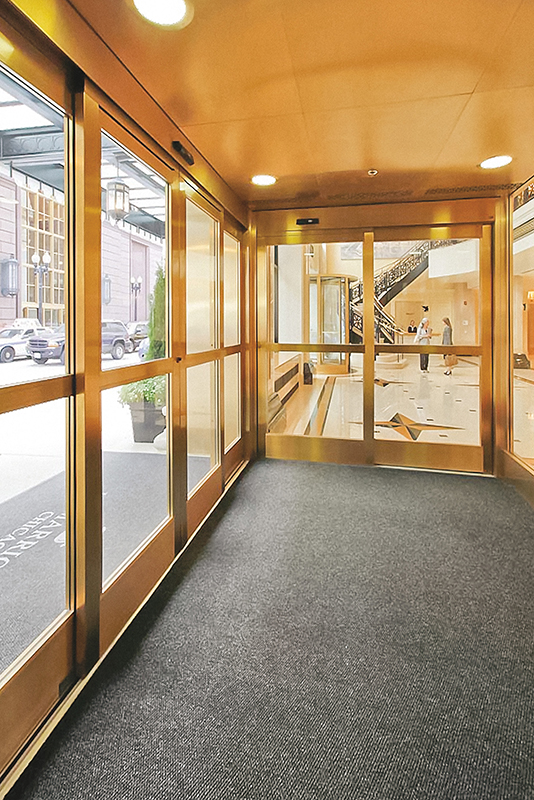
Common Balanced Door Problems That Need Professional Service
Balanced doors are engineered for controlled movement. When the door no longer moves cleanly, the issue is usually not just cosmetic. Small changes in pivot condition, closing control, frame alignment, or threshold clearance can quickly affect safety, usability, and long-term hardware life.
Balanced Door Service for Pivot Wear
Worn pivots, bearings, or mounting points can make the door feel loose, heavy, uneven, or unstable. Pivot problems can also create rubbing, sagging, and alignment drift.
Doors That Drag or Scrape
A balanced door that scrapes the threshold, frame, or floor may have pivot wear, frame movement, glass shift, hardware loosening, or clearance problems that need correction before damage spreads.
Failure to Self-Center
If the door does not return to center or hangs partially open, the entrance can lose comfort, security, and proper traffic control. Closing hardware and alignment should be inspected.
Heavy Opening Force
Balanced doors are often selected because they can be easier to open in wind and pressure conditions. If the door feels heavy, the pivot geometry, closer, hardware, or alignment may be out of condition.
Automatic or Power-Assist Issues
Power-assist and automatic balanced doors can develop problems with operators, sensors, activation controls, speed settings, safety response, and inconsistent movement.
Locking and Security Problems
Balanced doors need to latch and secure properly. If the lock, strike, frame, or hardware no longer lines up, the entrance can become difficult to secure after hours.
Facilities comparing repair timing can also use how to know when an automatic door needs repair and automatic door repair versus replacement for practical planning guidance.
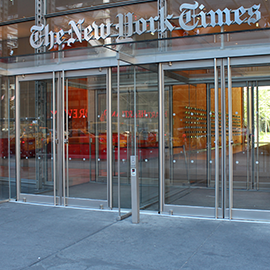
Balanced Door Repair for Pivots, Alignment, Closers, and Hardware
Balanced door repair requires more than tightening a loose part. The entrance relies on geometry. The pivot placement, door leaf movement, closer behavior, frame condition, threshold clearance, hardware condition, and glass alignment all work together. If one part is off, the door can feel heavy, scrape, fail to return, or wear through components faster than expected.
Balanced door service includes full entrance evaluation
- Pivot inspection for wear, looseness, bearing concerns, mounting issues, and uneven movement
- Door alignment correction for sagging, rubbing, frame contact, threshold scraping, and uneven gaps
- Closer and control adjustment for speed, self-centering, backcheck, latching behavior, and controlled movement
- Hardware and lock service for pulls, locks, latches, strikes, pivots, handles, fasteners, and security-related components
- Frame and glass review where movement, damage, or fit issues affect door performance or long-term repair reliability
Pivot and bearing problems
Pivot and bearing issues often show up as looseness, dragging, uneven travel, or a door that feels different at different points in the swing. These problems should be corrected before the door damages the threshold, floor, frame, or glass.
Closer and self-centering problems
Balanced doors need controlled return and reliable closing behavior. A door that does not center properly, closes too aggressively, or hangs open can create security concerns and user safety issues.
Parts and component planning
For worn components, replacement hardware, pivot assemblies, or operator-related needs, automatic door parts and components support can help property teams understand what the entrance needs.
Service documentation
Documentation helps facility teams track repairs, identify recurring issues, plan maintenance, and make better decisions when a balanced door is nearing the point where modernization or replacement is more practical.
Balanced Door Maintenance for High-Traffic Entrances
Balanced doors are often installed where ordinary doors struggle: windy sidewalks, pressure-heavy lobbies, large glass entrances, and premium commercial buildings. Preventive maintenance helps keep the door aligned, stable, smooth, and secure before wear turns into visible failure.
Pivot and Alignment Checks
Routine checks help identify pivot wear, sagging, loose hardware, frame movement, and clearance problems before the door starts scraping or binding.
Closer and Control Review
Closer behavior affects safety, comfort, latching, and self-centering. Adjustments help keep the door moving consistently during daily traffic.
Security and Hardware Review
Locks, latches, pulls, handles, strikes, and mounting points should be checked so the entrance can secure properly without forcing or workarounds.
A structured automatic door maintenance contract is a strong fit for balanced doors in busy lobbies, high-end storefronts, managed properties, office buildings, healthcare facilities, and commercial entrances with safety documentation needs.
Balanced Door Installation, Replacement, and Modernization
Balanced doors must be planned carefully because the pivot geometry, opening width, frame condition, exterior clearance, wind exposure, glass package, hardware selection, and traffic pattern all affect how the door will perform. A balanced entrance that is not installed or modernized correctly can become difficult to open, hard to secure, or expensive to maintain.
Balanced door installation planning should account for real building conditions
- Wind exposure, stack effect, and pressure conditions around the entrance
- Sidewalk clearance, vestibule layout, and interior swing path
- Door size, glass type, frame strength, and finish requirements
- Traffic volume, accessibility needs, and daily user expectations
- Locking, security, after-hours use, and access control coordination
- Long-term service access and replacement part availability
Door Automation provides commercial automatic door installation and automatic door modernization for properties planning upgrades, replacements, or more reliable entrance systems.
Automatic and Power-Assist Balanced Doors
Balanced doors can be paired with power-assist or automatic operation when a property needs easier entry, accessibility support, or more controlled movement. These systems must be tuned carefully because the door's pivot design, operator, activation devices, sensors, and safety settings all affect how the entrance behaves.
Automatic balanced door service can include
- Power-assist troubleshooting for inconsistent assistance, heavy movement, or resistance during use
- Operator adjustment for speed, force, timing, hold-open behavior, and controlled closing
- Activation device service for push plates, touchless switches, motion sensors, and access-triggered operation
- Safety sensor checks for users approaching, entering, exiting, or moving through the opening
- Accessibility support for entrances where easier entry and controlled movement are important to daily operations
For accessibility design and compliance context, the U.S. Access Board ADA standards provide official federal accessibility guidance.
Balanced Doors for Wind, Clearance, and Architectural Entrances
Balanced doors are often chosen because they solve real entrance problems while preserving a premium architectural look. They can be especially useful where wind pressure, large glass panels, tight exterior conditions, or high-end building presentation make standard swing doors less effective.
Wind and Pressure Conditions
The offset pivot design can make balanced doors easier to operate in conditions where conventional swing doors feel heavy, inconsistent, or difficult for visitors to control.
Sidewalk and Clearance Constraints
Balanced doors can help manage the swing path in tight entrance conditions where exterior clearance, sidewalk use, or vestibule layout needs careful planning.
Premium Entrance Design
Balanced doors are often used in commercial buildings where the entrance needs to look refined while still handling serious daily traffic and weather exposure.
For related entrance planning, balanced doors in modern architecture covers why these systems remain useful for performance-focused building design.
Balanced Door Service by Property Type
Balanced doors are most common in properties where entrance performance and presentation both matter. A premium office lobby, boutique retail storefront, medical building, hotel entrance, or mixed-use property can all benefit from a balanced door system that opens smoothly and holds up under daily use.
Commercial buildings that commonly need balanced door service
- Office buildings, commercial lobbies, and tenant entrances
- Retail storefronts, high-end shopping environments, and public-facing commercial spaces
- Hotels, hospitality properties, event spaces, and guest-facing entrances
- Healthcare facilities, medical buildings, and institutional properties
- Mixed-use properties, managed buildings, and multi-entrance commercial facilities
- Buildings with windy, exposed, pressure-heavy, or tight-clearance entrances
Property-specific support includes automatic door service for office buildings, automatic door service for retail properties, automatic door service for hospitality properties, and automatic door service for property management.
Safety, Accessibility, and Inspection Support for Balanced Doors
Balanced doors affect more than appearance. They influence safe movement, ease of use, secure closing, pedestrian flow, and accessibility. Automatic and power-assist balanced doors need even closer attention because operators, sensors, and activation devices must work cleanly with the door's specialized pivot design.
Safety and service items that matter
- Opening force and usability so the entrance does not become difficult for daily users
- Closing and self-centering behavior so the door does not hang open, slam, or drift out of position
- Secure latching and locking so the entrance can be secured without forcing the door
- Sensor and activation behavior for automatic or power-assist systems serving public-facing entrances
- Service documentation to support building teams responsible for safety and reliability
Door Automation provides AAADM inspection support and service aligned with recognized automatic door safety practices. External automatic door safety information is available through AAADM.
Balanced Door Service FAQs
Answers for facility managers, property managers, building engineers, and business owners scheduling balanced door repair, maintenance, installation, or modernization in New York and New Jersey.
What does balanced door service include?
Balanced door service can include pivot repair, alignment correction, closer adjustment, self-centering adjustment, lock and latch service, glass and frame review, hardware replacement, power-assist troubleshooting, automatic operator service, and preventive maintenance.
Why are balanced doors easier to use in windy entrances?
Balanced doors use an offset pivot design that changes how the door moves through the opening. This can reduce the effort needed to open the door in windy or pressure-heavy conditions compared with a conventional hinged door.
Why is my balanced door dragging or scraping?
Dragging or scraping can come from pivot wear, bearing problems, loose mounting, door sag, threshold contact, frame movement, glass shift, or alignment issues. The entrance should be inspected before the door damages surrounding components.
Can balanced doors be automatic or power-assisted?
Yes. Many balanced doors can be configured with power-assist or automatic operation, depending on the door, frame, hardware, entrance conditions, and safety requirements. Operator settings and sensor behavior must be tuned carefully for predictable use.
How often should balanced doors be maintained?
Many commercial balanced doors should be inspected at least once or twice per year, with high-traffic or wind-exposed entrances often needing more frequent service. Traffic level, exposure, safety requirements, and past repair history should guide the schedule.
When should a balanced door be modernized or replaced?
Modernization or replacement may make sense when pivot wear, frame damage, obsolete components, recurring alignment problems, unreliable automatic operation, or poor opening behavior make standard repair less dependable over time.
Need Balanced Door Service Scheduled?
Request service for balanced doors, pivots, closers, locks, glass, frames, power-assist equipment, automatic operation, and high-traffic commercial entrance maintenance across New York and New Jersey.