

Automatic Door Modernization in New York and New Jersey
Automatic door modernization in New York and New Jersey gives commercial properties a smarter path when an entrance system is outdated, unreliable, hard to service, or no longer a good fit for how the building operates. Door Automation helps owners and facilities teams upgrade aging automatic door systems with practical modernization work that improves reliability, supports safer performance, and brings older openings closer to current expectations without forcing a full replacement when it is not necessary.
Related: Automatic Door Service | Automatic Door Installation | Automatic Door Maintenance
Automatic Door Modernization Makes Sense When the Entrance Still Has Good Bones
Not every aging automatic door needs to be torn out and replaced from scratch. A lot of commercial entrances still have usable framing, workable door packages, and enough core structure to justify a smarter upgrade path instead. The problem is usually not that the entire entrance is beyond saving. It is that the controls, operators, sensors, hardware, or overall system behavior no longer match what the building needs today.
That is where modernization comes in. Instead of continuing to patch older components or tolerating an entrance that feels unreliable, commercial properties can update the parts of the system that are holding the opening back. The result is often cleaner operation, fewer recurring service issues, and a better long-term return than continuing to chase the same problems one repair call at a time. For a broader look at when repair makes more sense than replacement, automatic door repair vs. replacement walks through the comparison in practical terms.
Why owners choose automatic door modernization over continued repairs
Common conditions that point toward an upgrade rather than another patch
- Recurring service issues where the same opening keeps creating maintenance or repair headaches
- Aging controls or operators that feel behind current expectations for reliability and performance
- Parts or support concerns as older configurations become harder to service efficiently over time
- Appearance and function out of step with the rest of the building or tenant expectations
- Full replacement not yet necessary because the opening is still a strong candidate for targeted upgrade work

What Automatic Door Modernization Usually Improves
A good modernization project should solve more than one isolated symptom. It should improve how the entrance performs as a system and how it supports the building going forward.
More Reliable Daily Operation
Modernization helps aging entrances open, close, activate, and recover more consistently instead of operating with the uneven feel older systems often develop over time.
Cleaner Sensor and Control Behavior
Older activation setups and dated controls are often a hidden source of erratic behavior, callbacks, and user frustration at busy commercial openings.
Better Fit for Current Building Use
A system that worked fine years ago may not be the best match for present traffic flow, access expectations, or the experience tenants and visitors now expect.
Improved Serviceability
Modernization often makes the entrance easier to maintain, easier to inspect, and less dependent on continued patchwork around outdated components that are hard to source.
A More Current Appearance
Some modernization work also improves how the entrance looks and feels, which matters on customer-facing buildings and polished commercial properties where first impressions count.
A Smarter Use of Budget
When the opening is still structurally worth keeping, modernization can be a more efficient investment than defaulting to a full replacement before that step is actually necessary.
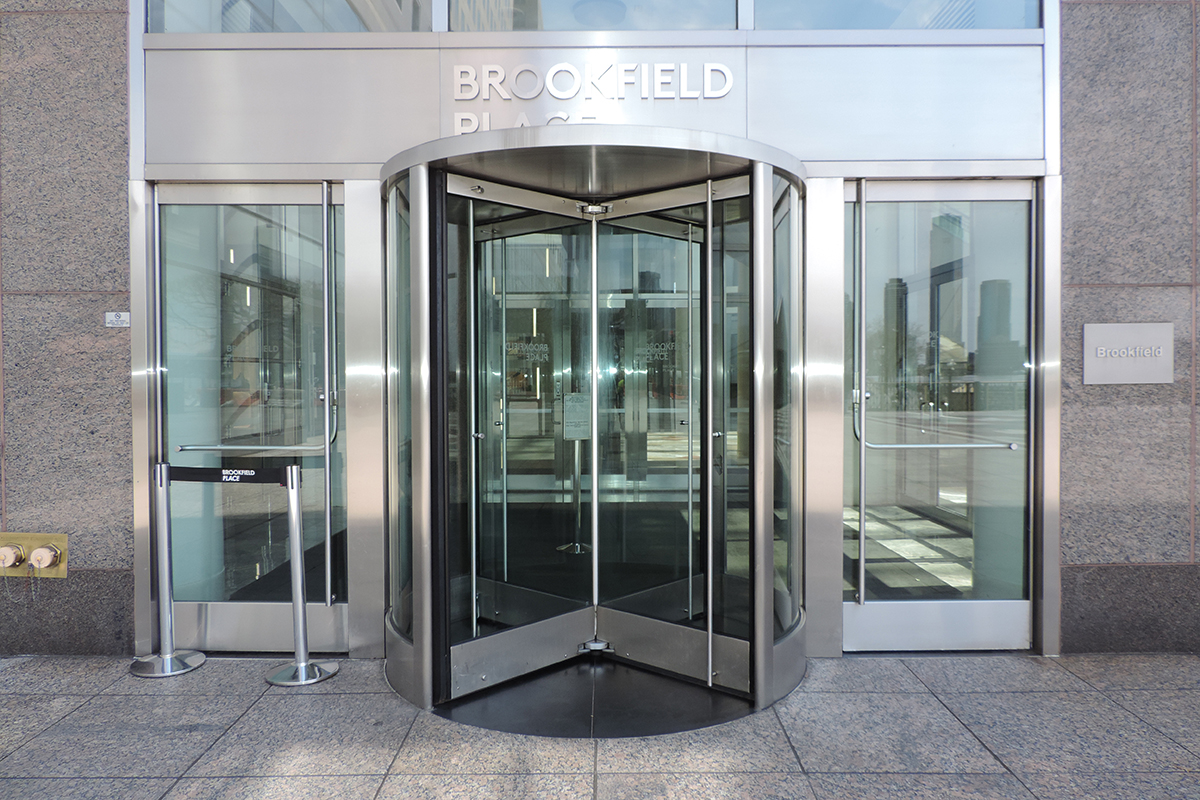
Automatic Door Modernization Should Start With the Real Problem, Not a Generic Upgrade Pitch
Some entrances need a control upgrade. Some need new operators. Some need better sensors, updated hardware, or reworked system coordination. Others are struggling because the opening was never really configured well for how the building uses it. The right modernization path comes from understanding which part of the system is actually holding the entrance back, not from defaulting to the most comprehensive option available.
Properties that have been converting manual entrances to automatic as part of broader renovations often find that modernization and new installation share more overlap than expected. For context on that process, converting a manual door to an automatic system covers the practical considerations involved. If the building mainly needs ongoing support rather than system updates, automatic door maintenance is the better starting point.
Common modernization triggers on commercial entrances
Patterns that suggest the entrance needs more than routine repair
- Frequent service calls on the same opening that never seem to fully resolve
- Older controls or operator packages that no longer inspire confidence in daily use
- Entrance behavior that feels rough, delayed, inconsistent, or simply outdated
- Property upgrades across the rest of the building that leave the entrance as the weak link
- Building owners looking for a better long-term answer than repetitive short-term repairs
Automatic Door Modernization vs. Repair vs. Full Replacement
This is the question most owners are really asking. They do not want modernization for its own sake. They want to know whether upgrading the entrance is the smartest move, or whether the door should be repaired again, maintained more consistently, or replaced with a new system. The answer depends on condition, age, reliability, and how well the opening still serves the property.
| Option | Usually the Better Fit When | Main Goal |
|---|---|---|
| Repair | The opening has a specific immediate failure and the core system is still fundamentally workable | Restore operation now |
| Maintenance | The system still functions but needs better ongoing oversight and wear control to remain reliable | Reduce repeat issues and extend system life |
| Modernization | The entrance is aging and underperforming but still has enough value to justify a targeted upgrade rather than starting over | Improve performance, reliability, and serviceability without an unnecessary full replacement |
| Full replacement | The opening is no longer a practical candidate for upgrades or the property needs a completely different system | Create a new long-term entrance solution from the ground up |
See also: emergency automatic door repair and automatic door installation.
Modernized Entrances Better Support Safety, Inspection Readiness, and Access Expectations
When an automatic door system starts falling behind, the problem is not always a dramatic failure. Sometimes it is a growing gap between how the entrance currently behaves and how it should behave for the building today. Modernization helps close that gap by updating the parts of the system that are making the opening harder to trust, harder to manage, or less aligned with current expectations for commercial properties.
AAADM notes that automatic pedestrian door standards provide direction on design, materials, testing, installation, and function, and recommends inspection immediately following installation and annually thereafter. That is one reason modernization projects should account for safety, operation, and future inspection needs rather than being treated as purely cosmetic upgrades. The definitive reference for those standards is AAADM, the American Association of Automatic Door Manufacturers.
Why modernization matters beyond just updated hardware
What cleaner system performance actually means for a commercial building
- Outdated systems often create more operational uncertainty than owners recognize until a failure forces the issue
- Cleaner system behavior supports better daily access for staff, tenants, customers, and visitors throughout the building
- Upgraded entrances are usually easier to maintain and inspect than systems held together by repeated patchwork service
- Public-facing commercial buildings have accessibility obligations under ADA design standards, and modernization can be part of keeping entrances aligned with those requirements
Buildings That Often Benefit From Automatic Door Modernization
Modernization is especially useful for properties where the entrance still matters every day but the current system has started to feel older, rougher, or harder to depend on than the rest of the building.
Retail Properties
Customer-facing entrances need to operate cleanly and present well, especially when the rest of the storefront has already been updated and the door system is now the visual weak link.
Healthcare Facilities
Medical buildings require reliable, low-friction access and cannot afford doors that feel inconsistent or dated in daily use by patients, staff, and visitors.
Office Buildings
Lobby and tenant entrances shape first impressions and benefit from systems that match the overall professionalism expected from the property by tenants and their clients.
Hospitality Properties
Guest-facing openings perform better when they feel smooth, current, and dependable instead of visibly aging or inconsistent with the quality of the rest of the property.
Multi-Site Portfolios
Portfolio owners may use modernization to bring aging entrances across multiple properties closer to a consistent operating standard without replacing every system outright.
Older Commercial Buildings
Many older properties are strong candidates for upgrade work because the building structure remains valuable even when the entrance system no longer performs at the same level.
Industry-specific context: retail, healthcare, office buildings, hospitality, and property management via Industries We Serve.
Automatic Door Modernization in Westbury, With Support Across New York and New Jersey
Door Automation is based in Westbury and works with commercial properties across New York and New Jersey that need a better answer than repeated short-term fixes. For some buildings, modernization is the bridge between an aging system and a fully dependable entrance. For others, it is the right way to improve reliability and function without committing to a full replacement before that step is actually necessary.
The right modernization project improves entrance behavior, cuts down on recurring issues, supports inspection readiness, and gives the property a doorway that matches the level of the building around it. If your project also involves new framing, glass work, or coordination across several buildings, storefront door repair, multi-site commercial door services, and commercial entrance safety and compliance cover those related needs. To discuss your building directly, use the Door Automation contact page.
Automatic Door Modernization FAQs
Common questions from commercial property owners and facilities teams considering entrance upgrades across New York and New Jersey.
What is automatic door modernization?
Automatic door modernization is the process of upgrading key components of an older entrance system so it performs more reliably, feels more current, and is easier to service without requiring a full tear-out and replacement.
How do I know if my entrance should be modernized or fully replaced?
If the opening still has strong underlying structure and the main issues are aging components, inconsistent performance, or outdated operation, modernization is often worth evaluating before committing to a full replacement. If the structure itself is no longer viable or the property needs a fundamentally different system, replacement may be the right call.
Can automatic door modernization improve safety and inspection readiness?
Yes. Modernization often improves system behavior, reduces uncertainty around aging components, and supports a cleaner path for ongoing maintenance and AAADM inspection planning. Entrances that have been modernized are generally easier to maintain and inspect than those being held together by repeated patchwork repairs.
Does automatic door modernization help with accessibility requirements?
It can. Public-facing buildings and altered facilities have accessibility obligations under ADA design standards, and modernization can be part of bringing an older entrance closer to current performance expectations. Properties with concerns about specific ADA requirements should review those standards directly and consult with their service provider.
What is the difference between automatic door modernization and a full replacement?
Modernization targets the components holding the entrance back, such as operators, controls, sensors, or hardware, while keeping the existing structure where it still has value. Full replacement means removing and rebuilding the entire opening with a new system. Modernization is typically the right first step when the structure is still sound and the issues are component-level rather than systemic.
Request Automatic Door Modernization in New York and New Jersey
If your entrance system is aging, underperforming, or starting to feel like the weak link at the property, modernization may be the smartest next step. Door Automation Corp serves commercial properties across New York and New Jersey. Reach out through the Door Automation contact page to review your opening and discuss the right path forward.