

Automatic Door Service for Healthcare Facilities
Automatic door service for healthcare facilities in New York and New Jersey supports hospitals, outpatient centers, medical offices, clinics, and multi-building healthcare campuses that depend on safe, dependable entrances every day. Door Automation Corp helps healthcare properties reduce disruption, maintain accessibility, and keep automatic and manual entry systems operating reliably under demanding daily conditions.
Need urgent help? Emergency repair is available now, or explore service contract options for planned coverage.
Healthcare Entrances Require Safe, Predictable Performance Every Day
Healthcare properties cannot treat entrance failures as minor inconveniences. When doors hesitate, fail to activate, drift out of adjustment, or become difficult to use, the problem affects far more than traffic flow. It can interfere with patient movement, visitor access, staff workflow, equipment transport, and overall building confidence. Door Automation Corp supports healthcare environments across New York and New Jersey with service built around reliability, accessibility, and practical response for facilities that cannot afford avoidable downtime.
Hospitals and medical campuses also handle a broader mix of door hardware than most commercial buildings. Main public entries, patient corridors, staff access points, outpatient clinic routes, and secondary service entries may each use different door types with different operating requirements. Effective service planning accounts for that variety rather than applying a single generic repair approach across the property.
What healthcare facilities typically need from door service
- Consistent daily access: entrances that open, close, and latch predictably under constant patient, visitor, and staff use
- Support for mixed traffic patterns: wheelchairs, carts, gurneys, equipment, and high-volume foot traffic moving through key access points without friction
- Reduced downtime risk: repair and maintenance planning that prevents entrances from becoming recurring operational disruptions
- Guidance across door types: automatic sliding, swinging, manual, and specialty entrance hardware used at different points throughout the facility
Industries We Serve has a full overview of all verticals. Door Automation Corp covers the complete range of automatic and manual door services for commercial properties across New York and New Jersey.
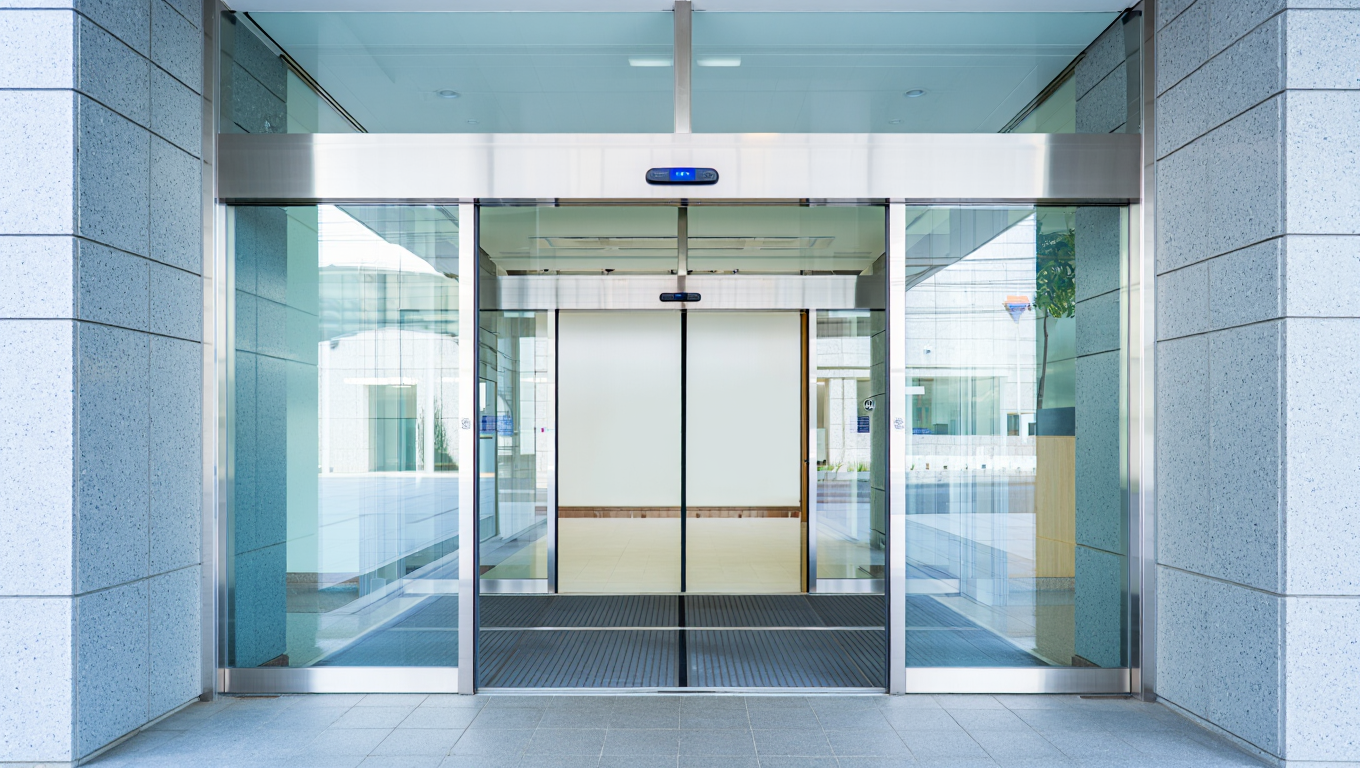
Healthcare Door Problems Tend to Disrupt More Than Traffic Flow
In healthcare settings, entrance issues can slow movement, frustrate staff, complicate patient access, and create a poor first impression at exactly the moments when a building should feel orderly and dependable. These are some of the most common problems that prompt service requests from medical facilities.
Automatic Doors Not Activating Reliably
Sensor drift, control issues, activation delays, and operator fatigue can create hesitation and confusion at patient and visitor entrances where smooth automatic response is expected.
Swing Doors Losing Consistent Behavior
Low-energy and automatic swing doors can become inconsistent when arms, operators, controls, or alignment fall out of proper adjustment, affecting accessibility routes and staff corridors.
Manual Access Points Becoming Difficult to Use
Closers, pivots, and latching hardware on secondary entries, staff doors, and interior routes create access problems when they wear down or fall out of proper adjustment.
High-Use Entrances Developing Repeat Failures
Main entrances and busy daily routes can mask wear until the same issues start repeating and staff begin to lose confidence in the opening. Planned maintenance helps interrupt that cycle early.
Emergency Calls for Stuck or Unsafe Doors
A failed entry becomes a serious operational problem quickly when it affects public access, controlled movement, or a critical daily pathway. Emergency repair is available for situations that cannot wait.
Accessibility and Usability Concerns
Openings that feel heavy, inconsistent, or poorly timed reduce confidence for patients, visitors, and staff. ADA compliance guidance is available through the U.S. Access Board.
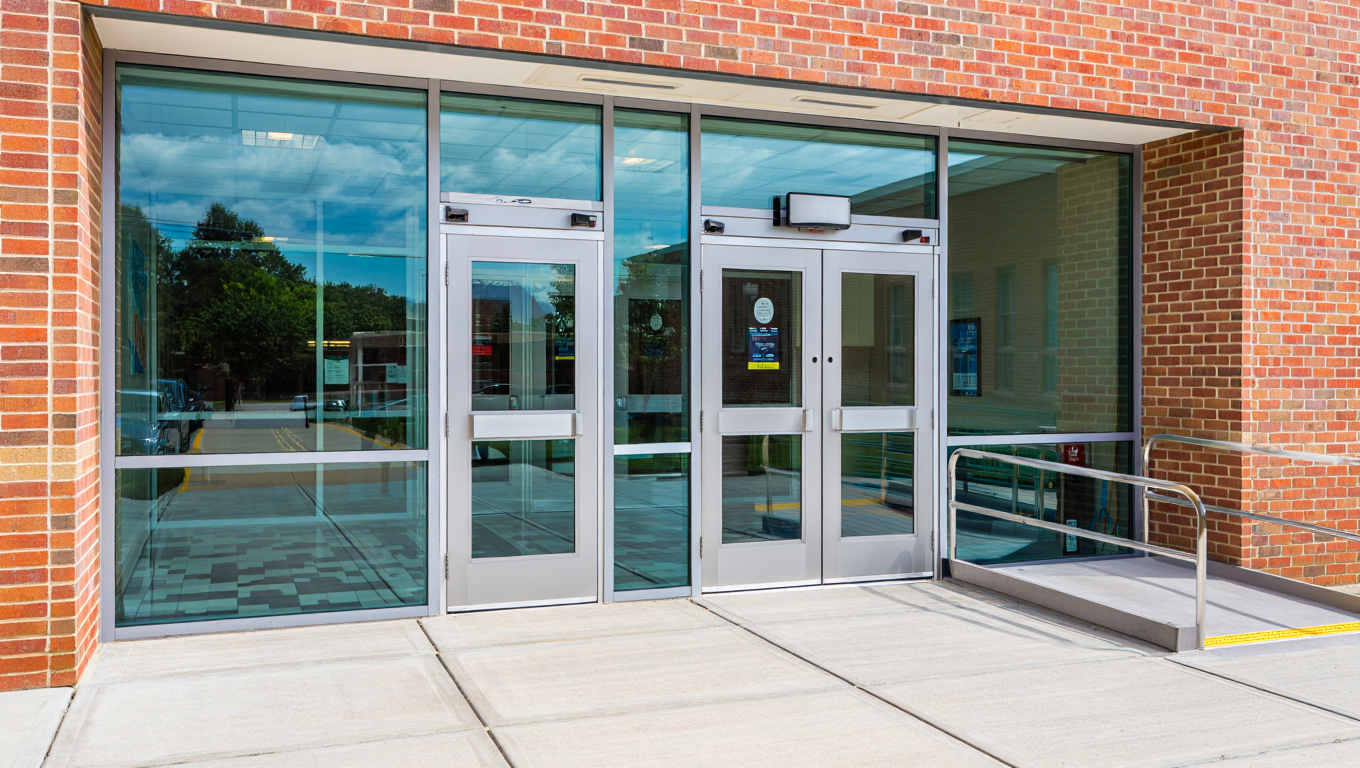
Healthcare Sites Often Rely on Several Automatic Door Types Across One Facility
A hospital or medical campus rarely depends on a single entrance style. Main public entries typically use automatic sliding doors, outpatient routes may use swing doors, secondary access points may be manual, and some areas require specialty hardware or tightly controlled opening behavior. Effective healthcare door service accounts for the full environment rather than trying to solve every situation with one generic approach.
Understanding which door types are involved across a property, and what failure patterns each tends to develop under medical-use conditions, is part of how Door Automation Corp approaches service planning for healthcare clients in New York and New Jersey.
Door systems commonly involved in healthcare service work
- Sliding doors for main entrances, vestibules, and high-use public access points
- Swinging doors for accessibility routes, low-energy openings, and controlled movement corridors
- Manual doors for side entries, staff routes, and secondary interior or exterior access points
- Revolving doors where lobby configuration or energy efficiency calls for them at main facility entrances
For properties that also manage non-medical buildings, compare this page with support for office buildings, property management, retail properties, and hospitality properties.
Planned Maintenance Helps Healthcare Facilities Avoid Preventable Disruption
Healthcare entrances do not need dramatic failures to become a problem. Small inconsistencies compound quickly in buildings that depend on reliable daily movement. Routine service helps catch drift, wear, and hardware issues before they create recurring interruptions. For a detailed breakdown of what that looks like in practice, the automatic door maintenance checklist for commercial buildings covers what regular inspection and upkeep should include.
More Predictable Daily Operation
Routine inspection and adjustment reduce the small operational glitches that frustrate staff and visitors long before a door fully fails, keeping entrance behavior consistent across the property.
Better Fit for High-Use Entrances
Busy main doors and frequently used access points benefit from service planning that reflects actual traffic volume rather than waiting for obvious breakdowns to accumulate.
Cleaner Oversight of Door Conditions
A structured service contract gives facilities a clearer handle on recurring issues, maintenance timing, and hardware condition across important openings throughout the year.
Healthcare Environments Where This Service Applies
Door Automation Corp works with a range of healthcare property types across New York and New Jersey. The common thread is that each of these environments depends on entrances that perform predictably under daily pressure, often across a mix of door types and access points with different operational needs.
Healthcare facility types served
- Hospitals and full-service medical campuses
- Outpatient clinics and specialty care centers
- Medical office buildings with multi-tenant access
- Urgent care and diagnostic imaging facilities
- Rehabilitation and long-term care facilities
- Multi-building healthcare properties with varied entrance types
Healthcare campuses that also include administrative, retail, or hospitality components can reference sibling pages for office buildings and property management for those areas. For emergency situations, the post on automated doors in emergency response systems covers how door performance connects to safety-critical building conditions.
AAADM inspection standards govern automatic door safety requirements across commercial and institutional settings. The American Association of Automatic Door Manufacturers (AAADM) provides the industry framework that certified technicians follow during formal inspection work.
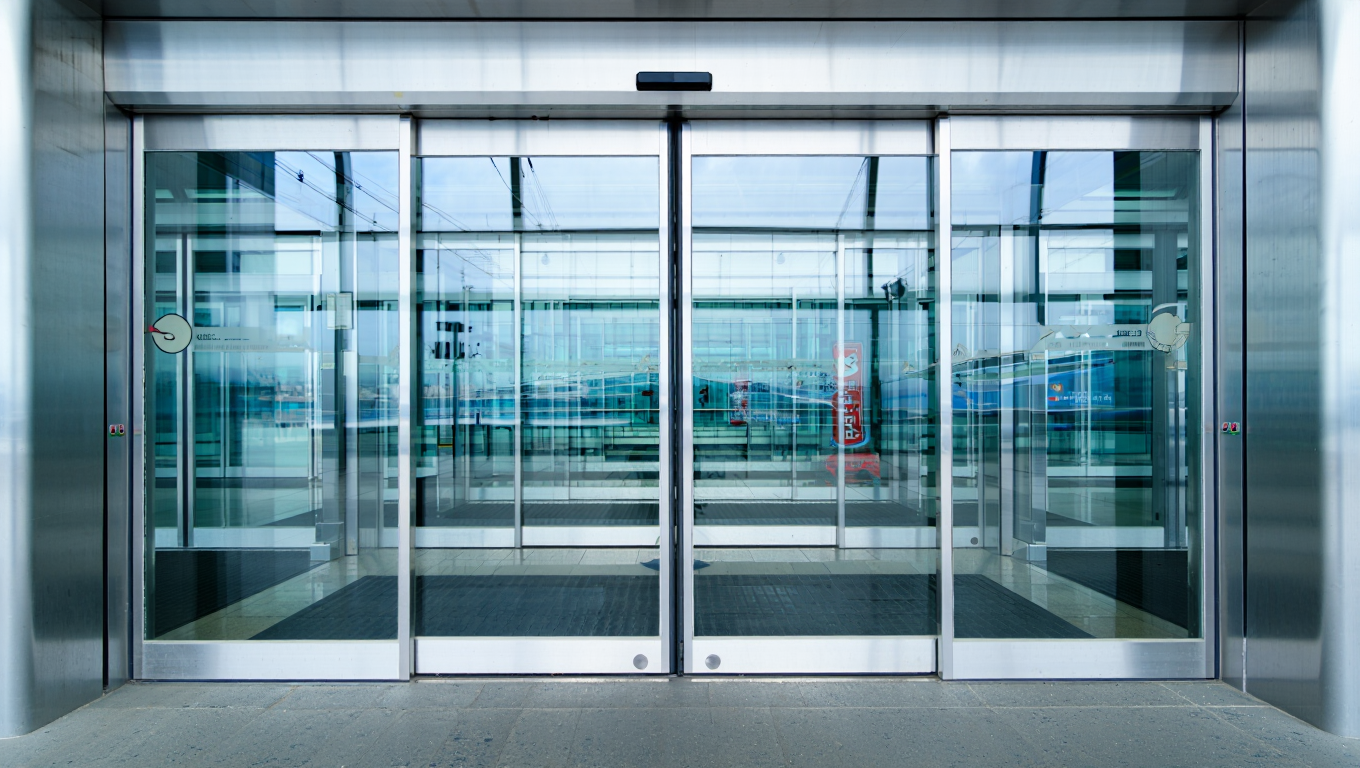
What to Consider When Scheduling Healthcare Door Service
Healthcare facility managers and property teams often have different priorities than general commercial clients when it comes to scheduling service, communicating access disruptions, and evaluating repair versus replacement decisions.
Scheduling Around Patient and Staff Activity
Service timing matters more in healthcare settings than in many other commercial environments. Entrances that serve active patient areas, visitor access routes, or emergency pathways often need service planned for off-hours, weekends, or lower-volume periods to minimize operational impact.
Repair vs. Replacement Decisions
High-use medical entrances sometimes reach a point where ongoing repairs are less efficient than modernization or full replacement. Understanding when that threshold is approaching helps avoid emergency situations. For guidance on that decision, see automatic door repair vs. replacement and the overview of automatic door modernization options.
Multi-Site Coverage
Healthcare organizations that manage multiple facilities across New York and New Jersey can consolidate door service under a coordinated approach. Multi-site commercial door services allow facility managers to handle repairs, inspections, and maintenance across locations without managing separate service relationships for each building.
Emergency Response Planning
Healthcare facilities benefit from knowing their emergency repair options before a failure occurs. Having a service relationship in place before an urgent situation develops means faster response and less disruption when a critical entrance fails unexpectedly. Emergency automatic door repair is available for situations that cannot be deferred.
Frequently Asked Questions: Healthcare Door Service in NY and NJ
Quick answers for hospitals, clinics, and medical property teams scheduling automatic door service across New York and New Jersey.
What does automatic door service for healthcare facilities include?
Healthcare door service may include automatic door repair, sliding and swinging door support, manual entrance hardware repair, emergency response for failed entries, planned maintenance, AAADM-compliant inspections, and modernization planning for aging systems across hospitals, clinics, and medical office buildings in New York and New Jersey.
Why are door issues more disruptive in healthcare settings than in general commercial buildings?
Healthcare facilities depend on dependable daily movement for patients, visitors, staff, carts, and equipment. Even small entrance failures can create disruption, complicate access, and affect the overall confidence patients and visitors have in the facility. The sensitivity of the environment means issues that might be minor inconveniences elsewhere can become significant operational problems quickly.
Do healthcare buildings typically use more than one type of automatic door?
Yes. Most healthcare campuses use a combination of automatic sliding doors at main entrances, swinging doors along accessibility and patient movement routes, and manual doors at secondary and staff access points. Some facilities also use revolving doors or specialty entrance hardware at specific locations. Effective service planning accounts for all of them rather than applying one approach across the property.
Do healthcare facilities benefit from automatic door maintenance contracts?
High-use medical properties typically benefit significantly from a service contract that reduces repeat failures, improves maintenance timing, and provides more predictable entrance performance across the facility throughout the year.
What happens when a healthcare facility needs emergency door repair?
When a critical entrance fails and cannot wait for a scheduled appointment, emergency automatic door repair is available for healthcare properties across New York and New Jersey. Reaching out through the contact page is the fastest way to get urgent service initiated.
Can Door Automation Corp service multiple healthcare locations under one agreement?
Yes. Healthcare organizations managing multiple facilities can use multi-site commercial door services to coordinate repairs, maintenance, and inspections across locations in New York and New Jersey without managing separate service relationships for each property.
Schedule Automatic Door Service for Your Healthcare Facility
If a healthcare entrance is hesitating, failing, or creating repeated disruption, get service scheduled before the problem grows into a larger operational issue. Door Automation Corp serves hospitals, clinics, medical offices, outpatient centers, and healthcare campuses across New York and New Jersey. Send a service request to get started, or see the full range of automatic and manual door services on the Door Automation Corp main site.