
Door automation

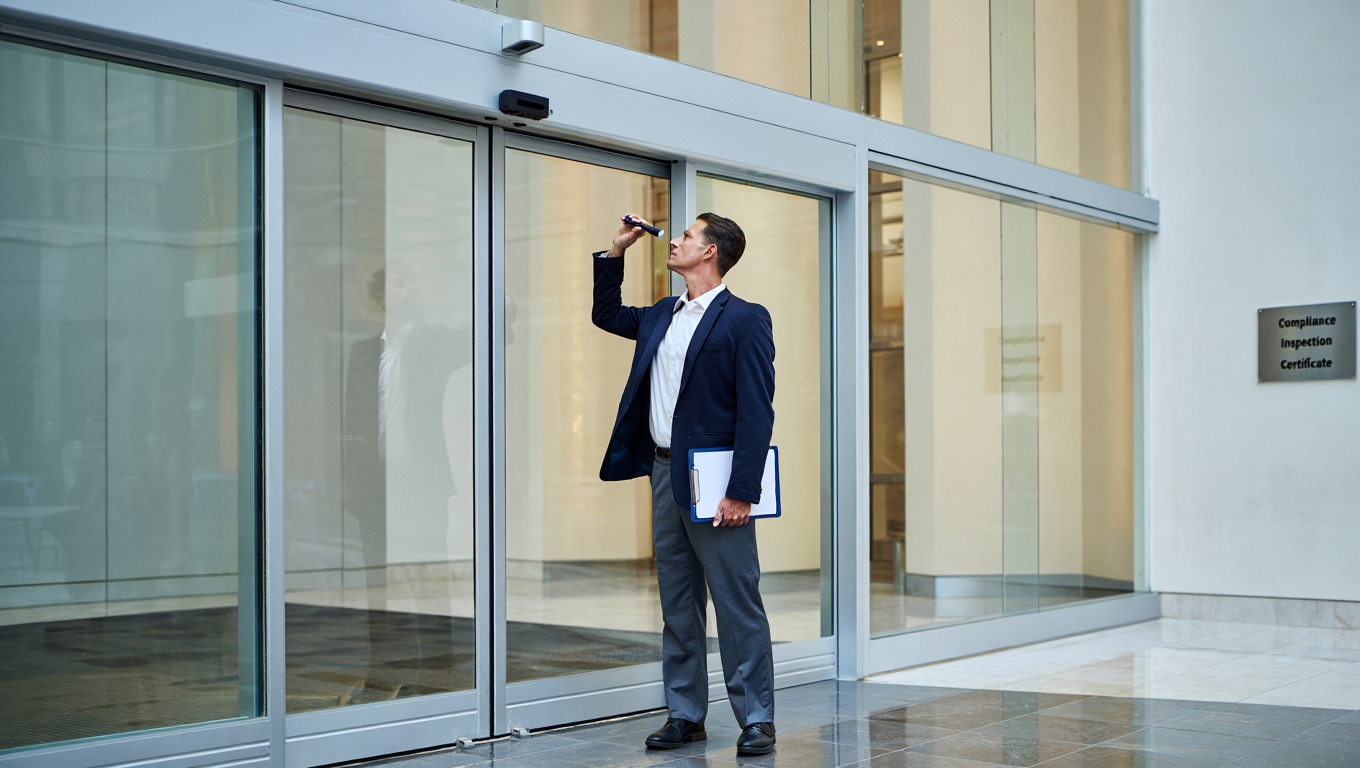
AAADM Inspection by a guy in a suit in front of a building

Why Glass Selection Matters for Automatic Doors

When planning or upgrading an entry system, many property owners focus on the door configuration first, but the glass itself deserves equal attention because of automatic door glass requirements. The right glass helps doors perform smoothly in busy environments while supporting the design of the building and protecting the people who use it.

Automatic doors are used in office buildings, healthcare facilities, hotels, retail centers, schools, airports, and many other commercial spaces. Because these doors often serve as the first point of contact for visitors, their appearance matters. Just as importantly, they must stand up to frequent operation, pedestrian traffic, environmental exposure, and safety expectations. Glass plays a central role in all of these areas. A poor glass choice can lead to breakage, vibration, noise, reduced energy performance, and safety concerns. A smart glass choice supports long-term function and strengthens the overall entrance system.

Why glass is a critical part of an automatic door system

Glass is not simply an insert within a door. It is one of the core components that affects how the door looks, moves, and performs over time. In commercial settings, doors must balance convenience, code compliance, accessibility, and architectural design. The glass contributes to each of these priorities.

From a performance perspective, quality glass helps maintain structural integrity and smooth movement. Doors that open and close repeatedly throughout the day need materials that can resist impact, limit energy loss, and stay properly aligned. Glass that is poorly matched to the application may flex too much or place stress on fittings and hardware.

From a design perspective, glass strongly influences the look of an entrance. Clear, tinted, frosted, or low-iron glass can create very different impressions. The transparency, color tone, and finish affect how welcoming, modern, or private a space feels. For many commercial buildings, doors are meant to blend seamlessly into a carefully designed facade. The glass choice helps create that architectural harmony.

From a safety perspective, the correct glass can reduce the risk of injury if a panel is struck or damaged. In automatic door systems, especially those in high-traffic environments, safety glass is essential. This is one reason manufacturers, installers, and building owners must pay close attention to applicable standards and best practices.

The role of glass in safety, performance, and aesthetics

Choosing high-quality glass allows an automatic door to perform the way it should while also complementing the surrounding architecture.

Safety

Safety is one of the main reasons glass selection matters so much. Automatic doors are used by employees, customers, patients, deliveries, and visitors of all ages and abilities. The glass must be able to withstand normal contact and occasional impact. Properly selected safety glass helps reduce the chance of dangerous breakage. It also contributes to user confidence, especially in spaces where doors operate continuously and quickly.

Performance

The wrong glass can compromise the performance of the door system. Glass that is too thin or not suited for the traffic level can vibrate during operation, create noise, and increase wear on surrounding components. Over time, this may affect door alignment, movement quality, and service life. Selecting the proper thickness and type helps support stable movement and dependable daily use.

Aesthetics

The visual effect of automatic doors should not be overlooked. Entrances shape first impressions, and glass has a major influence on how the building is perceived. Bright, clean, well-chosen glass can make an entryway feel open, modern, and professional. Specialty finishes can support privacy or branding while still maintaining a polished appearance. Even subtle details, such as the clarity and tone of the glass, can elevate the overall impression of the property.

Risks of choosing the wrong type of glass

Selecting the wrong glass can create problems that go far beyond appearance.

One major risk is breakage. Glass that is too thin or not rated as safety glass may crack or shatter when exposed to impact. In busy commercial areas, this creates a serious hazard for pedestrians and staff. High-traffic entrances demand materials that are specifically suited for repeated use and contact.

Another issue is operational instability. Low-grade or mismatched glass may vibrate excessively while the door moves. This vibration can produce distracting noise, reduce the sense of quality, and contribute to wear on the operator, fittings, and framing components. What begins as a small issue can lead to maintenance concerns over time.

Another issue is the transfer of energy. Glass is a major component of the building envelope and a significant source of energy loss or gain. Energy transfer through glass is governed by three key metrics: 

  • U-Factor: Measures heat transfer rate; lower values mean better insulation. For climate zones 4–7, U-Factor 0.30 is often required. 
  • Solar Heat Gain Coefficient (SHGC): Fraction of solar radiation admitted; lower SHGC reduces cooling loads in hot climates, higher SHGC can help in cold climates. 
  • Visible Transmittance (VT): Measures daylight penetration; balances lighting needs with solar control. Improper glass selection can lead to letting too much hot or cool temperatures permeate into or out of a building. 

Improper glass selection can also shorten the lifespan of the overall entrance system. If the glass is too heavy, too thin, or incompatible with the hardware, the door may experience alignment issues or increased strain. This can lead to service interruptions, more frequent repairs, and avoidable replacement costs.

There is also the issue of visual inconsistency. If the glass does not suit the building’s architectural style, the entrance may appear outdated or disconnected from the rest of the property. Since commercial doors are both functional and visible, the wrong glass can affect curb appeal just as much as performance.

Key factors that affect durability in automatic door applications

Durability in automatic doors depends on more than glass alone, but the glass choice is a foundational factor. Several elements should be evaluated when selecting glass for a commercial automatic door system.

Thickness

Glass thickness has a direct impact on strength, stability, and suitability for the door type. Thicker glass is often necessary in heavy-use settings or larger door systems. If the glass is too thin for the application, it may be more vulnerable to impact, vibration, and long-term fatigue.

Manufacturing quality

Not all glass is made to the same standard. High manufacturing quality improves flatness, consistency, and resistance to defects that could affect appearance or performance. Commercial automatic doors benefit from glass that is fabricated with precision and intended for demanding use.

Impact resistance

Automatic doors in commercial spaces encounter a wide range of daily stresses. People may push carts through them, carry packages near them, or accidentally strike them. Impact resistance matters, especially at entrances with constant traffic.

Heat tolerance and environmental exposure

Automatic doors are often exposed to sunlight, temperature shifts, humidity, and seasonal weather conditions. The selected glass must perform well in the specific environment. In some cases, thermal considerations are especially important for energy efficiency and long-term resilience.

Compatibility with hardware and framing

The glass must work properly with the surrounding system. Frames, clamps, gaskets, rails, and fittings all need to be matched to the glass type and thickness. Even excellent glass can underperform if it is paired with incompatible hardware. Proper integration helps prevent misalignment, stress points, and premature breakage.

Tempered glass and why it is so commonly used

Tempered glass is one of the most popular materials for doors, and for good reason. It is significantly stronger than standard glass and is well-suited to commercial environments where entrances need to perform consistently and safely.

Tempered glass is heat-treated to increase its strength and durability. This makes it more resistant to impact and daily wear. It also offers a clean, flat, attractive appearance that works well in a wide range of commercial designs, from sleek storefronts to corporate lobbies.

Another important advantage is its break pattern. When tempered glass breaks, it shatters into small, rounded pieces rather than large, sharp shards. While any glass breakage is a serious issue, this characteristic can reduce the risk of severe injury compared to ordinary glass. That said, proper selection and installation are still vital. Tempered glass is not a one-size-fits-all answer. The thickness, application, framing, and traffic conditions still need to be carefully evaluated.

How aesthetics influence glass selection

Safety and durability are essential, but appearance still matters. Commercial doors are part of the building’s identity. The right glass can reinforce a modern, professional image and create a more inviting entrance for customers, clients, and visitors.

Property owners and designers may consider:

  • Transparency level for openness and visibility 
  • Tint or color tone to complement the exterior facade 
  • Frosted or decorative finishes for privacy and style 
  • Clarity and reflectivity for a polished, high-end look 
  • Consistency across the entrance system for a cohesive design 

In many cases, the best glass is the one that balances visual appeal with the practical demands of daily use. A beautiful entrance should still function smoothly and safely year after year.

Why long-term value matters

The lowest upfront price does not always lead to the best result. Investing in the right glass can lower maintenance needs, improve user safety, reduce noise and vibration, and preserve the visual quality of the entrance. Over time, these benefits can translate into better operational efficiency and a stronger return on investment.

A high-quality entrance system can also support broader goals, such as accessibility, energy performance, and a more professional tenant or customer experience. Since automatic doors are used every day, even small improvements in durability and function can make a meaningful difference.

FAQ

What type of glass is most commonly used for doors?

Tempered glass is one of the most common choices because it offers strong impact resistance, a clean appearance, and a safer break pattern than standard glass.

Why is safety glass important in automatic doors?

Safety glass helps reduce the risk of serious injury if the glass is damaged. This is especially important in commercial spaces with high pedestrian traffic.

Can the wrong glass affect door performance?

Yes. Glass that is too thin, low quality, or incompatible with the system can cause vibration, noise, alignment issues, and faster wear on door components.

Does glass choice affect the appearance of a building?

Absolutely. The clarity, tint, finish, and overall quality of the glass have a major impact on how modern, welcoming, and cohesive the entrance looks.

Should glass selection be based only on appearance?

No. Appearance matters, but safety, durability, traffic level, hardware compatibility, and long-term performance are all essential factors.

Choose a trusted partner for safe and attractive entryways

Selecting the right glass for a door is about more than style. It is a decision that affects safety, performance, durability, accessibility, and the overall impression of your property. The right material can help your entrance operate smoothly, protect building occupants, and support a polished, professional look that lasts.

For expert guidance and dependable entry solutions, turn to Door Automation Corporation. We provide solutions for convenient access to commercial spaces, including automatic and manual, swing, slide, and revolving doors. Our reliable professionals work with industry-leading products to deliver functional, dependable, and secure entryways. As non-contact access solutions continue to be the new normal due to COVID-19, we can provide modifications for non-contact door operation as well as new automatic doors that follow standard automated door energy compliance. We also work closely as design consultants with many of the top architectural firms in New York City. Whether you need a new system, an upgrade, or expert support, our skilled team is here when you need us. Contact us today to learn more.
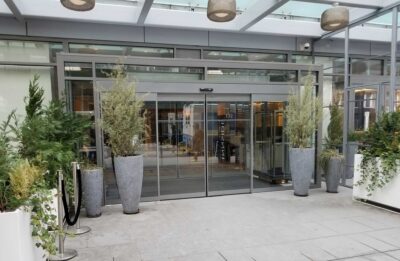
What Are AAADM Inspection Requirements for Automatic Doors?

Automatic doors play a crucial role in ensuring accessibility, convenience, and safety in commercial buildings. To maintain proper functionality and meet industry safety standards, businesses must comply with AAADM inspection requirements. These inspections, conducted by certified professionals, help verify that automatic doors operate correctly and safely for all users. Understanding what these requirements involve and how often inspections should occur can help building owners stay compliant and avoid unnecessary liability. Below is an in-depth look at how AAADM inspections work, why they matter, and how to schedule one with a qualified provider.

AAADM inspection requirements

Understanding AAADM Inspection Requirements

The American Association of Automatic Door Manufacturers (AAADM) establishes safety guidelines and training standards for automatic door systems across the United States. These guidelines ensure consistency, reliability, and safety in how automatic doors are installed, tested, and maintained. For commercial facilities, adhering to AAADM standards is more than optional. It is a critical part of providing a safe environment for customers, employees, and visitors. Automatic doors are mechanical systems that experience daily wear. Over time, components like sensors, motors, guide rails, and activation devices can degrade or fall out of calibration. AAADM-certified inspectors are trained to identify performance issues early, ensuring that the door continues to function according to stringent safety guidelines.

What the AAADM Inspection Covers

During an AAADM inspection, certified technicians perform a comprehensive evaluation of all automatic door components. This includes checking sensor alignment, operational speed, opening and closing forces, timing, hardware integrity, and safety protocol responsiveness. The inspector will test the door’s ability to detect pedestrians, ensure that the threshold area is clear, verify that emergency stop features function properly, and review the overall door movement. Inspections also include reviewing environmental factors such as traffic flow patterns and building design influences. The goal is to ensure safe operation in real-world scenarios. After the inspection, the technician provides a detailed report documenting results, necessary repairs, or recommended adjustments. This documentation is vital for demonstrating compliance with industry standards.

How Often Should You Schedule an Inspection?

AAADM recommends that automatic doors be inspected at least annually by a certified professional. However, the required frequency may be higher depending on the building type, traffic volume, and specific door model. High traffic environments such as hospitals, retailers, hotels, and transportation hubs typically benefit from semi-annual or even quarterly inspections. Routine daily safety checks performed by staff should supplement professional inspections. These quick evaluations help identify visible issues, such as obstructions or unusual door behavior, that may require immediate attention before the next scheduled professional visit.

Common Compliance Mistakes to Avoid

Many businesses unintentionally fall out of compliance due to simple oversights. One common mistake is assuming that automatic doors only require service when they malfunction. In reality, many compliance issues stem from gradual changes that go unnoticed without professional evaluation. Failing to keep documentation of previous inspections can also create liability issues, especially in the event of an accident. Another mistake is relying on non-certified personnel for repairs or adjustments. While building maintenance staff can perform basic cleaning or visual checks, any mechanical or sensor-related adjustment requires an AAADM-certified professional. Unqualified repairs can void warranties, compromise safety, and lead to non-compliance with industry standards. Finally, businesses often overlook the need to upgrade or modify automatic doors in response to new regulations, building code revisions, or health guidelines. For example, non-contact door solutions grew in demand during the COVID-19 pandemic and remain a preferred option for many establishments today.

Why Certified AAADM Inspections Matter for Door Safety

Safety is the primary reason behind AAADM inspection requirements. Automatic doors that do not operate correctly can create significant hazards, including impact injuries, entrapment, and accessibility barriers. Certified inspections ensure that doors detect movement accurately, open at a safe speed, and close without excessive force. This is especially important in facilities where vulnerable populations, such as seniors or individuals with disabilities, rely on smooth and predictable door operation. AAADM-certified professionals undergo rigorous training that qualifies them to identify problems that may not be visible to an untrained eye. They understand how environmental conditions, usage patterns, and mechanical wear affect door performance. Their expertise ensures that doors comply with ANSI standards, which form the basis of modern safety codes for automatic pedestrian doors. Proper inspections also help reduce liability. In the event of an accident involving an automatic door, property owners may be required to show proof of regular certified inspections. Failure to produce documentation can increase legal exposure and financial risk. Regular compliance demonstrates a proactive commitment to safety, protecting both the public and the business.

Important Clarification About AAADM Certification

It is important to understand what the AAADM certification does and does not represent. A person trained and certified by AAADM is qualified to inspect and test automatic doors for compliance with ANSI safety standards. This certification confirms their ability to evaluate door operation, safety sensors, opening speeds, and force settings in accordance with established guidelines. However, AAADM certification alone does not mean the individual has been trained to install, repair, or service every brand or type of automatic door equipment. Because automatic door systems vary by manufacturer and design, businesses should look for a service provider that not only employs AAADM-certified inspectors but also maintains a team of trained and experienced service professionals. Working with a provider that combines certified inspection expertise with hands-on service knowledge helps ensure accurate compliance testing, proper maintenance, and reliable long term performance of your automatic doors.

Why Businesses Should Not Skip Inspections

Skipping required inspections can lead to costly consequences. Automatic doors that are not regularly tested may develop undetected issues that escalate into major failures. These failures can disrupt business operations, require expensive emergency repairs, and pose safety hazards. Regulatory authorities or insurance representatives may also require proof of certified inspections when evaluating compliance. Without it, businesses may face penalties or increased insurance premiums. Inspections are also critically important for extending the lifespan of the door system. Routine evaluations help identify minor problems before they cause damage to high-value components. This preventative approach reduces long-term repair costs and minimizes downtime.

Scheduling Your AAADM Inspection with a Certified Provider

Working with a certified provider ensures accurate testing, compliant documentation, and proper maintenance. Certified technicians follow a standardized inspection checklist and provide detailed findings that can be shared with insurance companies, safety auditors, or regulatory authorities. When choosing a provider, look for companies with extensive experience in automatic door solutions, as they can identify structural, technological, or environmental factors that influence performance. Building owners should schedule inspections in advance to avoid lapses in compliance. Establishing an ongoing maintenance plan ensures that inspections occur consistently and that the door receives regular attention throughout the year. Providers who offer both inspection and repair services can address issues quickly, reducing downtime and keeping your building safe.

What to Expect During the Scheduling Process

Scheduling an inspection typically begins with an assessment of your facility’s needs. The provider may ask about door types, traffic volume, existing maintenance history, and any known issues. After the inspection, you will receive a certificate of compliance and a detailed report outlining any recommendations. Many businesses choose to pair AAADM inspections with their regular maintenance visits to consolidate service appointments. This approach ensures efficiency and consistency across all door systems.

Encouraging Safe and Reliable Building Access

As businesses aim to provide seamless access and a positive experience for visitors, maintaining the safety and reliability of automatic doors is a vital responsibility. AAADM inspections are a straightforward yet essential step in meeting that goal. They safeguard building occupants, reduce liability, and ensure compliance with industry standards.

Book Your AAADM Inspection with Door Automation Corporation

Door Automation Corporation provides comprehensive solutions for convenient and secure access to commercial spaces. Our team works with automatic and manual swing, slide, and revolving doors, and our industry-leading products ensure dependable and functional entryways. As non-contact door solutions continue to gain importance due to COVID-19, we can help you upgrade your facility with modifications that support safe, touch-free access. We also offer new automatic doors that meet modern energy compliance standards. As design consultants, we collaborate closely with top architectural firms across New York City to deliver customized entry solutions that fit your building’s needs. Whether you require a routine AAADM inspection, repairs, or a complete door upgrade, our skilled professionals are here to help. Contact us to schedule your inspection or maintenance service today.

How Do You Know When Your Automatic Door Needs Repair?

Automatic doors are essential to maintaining safe and efficient access throughout commercial buildings, and for facility managers, keeping them in top working condition is critical. Whether you oversee a retail space, healthcare facility, educational institution, or office building, the performance of your doors directly affects safety, traffic flow, energy efficiency, and compliance. Failing to address issues early can result in unexpected downtime and costly emergency repairs. Knowing the signs that a door needs attention from an automatic door repair service is the first step toward preventing operational disruptions.

automatic door repair service

Signs You Need an Automatic Door Repair Service

Automatic doors are designed to provide smooth, reliable access, and any deviation from their normal operation should be taken seriously. Small irregularities often indicate underlying issues that can worsen if ignored. While some problems are obvious, others are subtle and require a trained eye to identify. Facility managers should routinely observe how their doors function and take note of any change in performance. Understanding these warning signs will help you maintain a safe environment for visitors, employees, and tenants while minimizing liability.

Door Movement and Sensor Malfunctions

One of the most common indicators that a door needs repair is inconsistent or faulty movement. Doors may hesitate, open too slowly, close abruptly, or fail to open entirely. These symptoms often signal mechanical wear, misalignment, failing motors, or sensor problems. Sensors are especially critical to safe operation, as they detect pedestrians and prevent doors from closing prematurely. When sensors are misaligned or blocked by dirt and debris, they may not register motion correctly. This can lead to unsafe conditions, including the possibility of a door striking someone.

Sensor issues also impact accessibility. Automatic doors must meet specific standards for ADA compliance, ensuring access for individuals with mobility challenges. A malfunctioning sensor can prevent the door from responding to someone using a mobility device, undermining both safety and compliance requirements. If you notice frequent false activations, delayed reactions, or inconsistent opening, it is time to schedule an evaluation before the problem worsens.

Strange Noises or Sluggish Operation

Automatic doors should operate quietly and efficiently. When you begin hearing grinding, rattling, clicking, or buzzing, these noises often indicate deteriorating internal components. Worn bearings, loose hardware, or motor issues can quickly escalate if left unaddressed. Sluggish operation is another sign of trouble. A door that opens more slowly than usual may be struggling due to friction, power supply problems, or mechanical resistance within the drive system. In high-traffic environments, sluggish doors can interrupt the natural flow of people entering and exiting your building. This not only affects user experience but can also create crowding or bottlenecks that pose safety concerns.

Temperature fluctuations can also affect door operation. In colder months, lubricants may thicken, or components may contract, causing the door to slow down. While some seasonal variation is normal, noticeable or prolonged sluggishness typically signals a deeper issue. If the door does not return to normal operation after minor cleaning or environmental adjustments, a technician should inspect it to ensure there is no damage or excessive wear.

Why Timely Repairs Prevent Major Failures

Prompt repairs are essential to avoiding major breakdowns. Like any mechanical system, automatic doors rely on numerous interconnected parts that must work together. When one component fails or becomes misaligned, it can place additional strain on other parts. What might begin as a small issue can evolve into a complete shutdown if not addressed in time.

One of the most significant reasons to act quickly is safety. Automatic doors are designed with built-in safety mechanisms, and when these begin to malfunction, risk increases dramatically. Doors that close too quickly, fail to detect nearby pedestrians, or stop mid-operation can lead to accidents. By scheduling inspections and repairs as soon as problems arise, you protect occupants and reduce the likelihood of potential legal liability.

Downtime prevention is another key benefit of timely repairs. For businesses with consistent foot traffic, even a short period of inoperable doors can disrupt operations, affect customer experience, and compromise security. In facilities like hospitals or senior living centers, malfunctioning doors can jeopardize patient care and emergency access. Addressing issues quickly helps maintain continuous building functionality.

Energy efficiency is also affected when doors do not operate correctly. Doors that stay open longer than necessary or fail to seal properly can cause heating and cooling loss, running up energy costs. Even a minor misalignment can impact building performance. Preventive repairs are an investment in operational efficiency and long-term cost savings.

How Routine Maintenance Reduces Emergency Repairs

Routine maintenance is one of the most effective ways to reduce the likelihood of emergency repairs. During scheduled maintenance visits, technicians inspect components, test sensors, lubricate moving parts, clear debris, tighten hardware, and verify compliance with safety standards. By identifying early signs of wear, maintenance prevents small issues from turning into major failures.

Facility managers benefit from predictable maintenance schedules that allow them to plan ahead and budget more effectively. Instead of dealing with expensive emergency repairs and unexpected downtime, you can keep your building running smoothly and extend the lifespan of your doors. Routine inspections also ensure your doors meet regulatory requirements and industry standards. Many states and industries require automatic doors to undergo periodic safety checks. Staying compliant not only protects building occupants but also safeguards your organization from penalties or legal complications.

Choosing a Professional Automatic Door Technician

Selecting the right technician is essential to ensuring that your automatic doors receive the care and expertise they require. Not all service providers have the specialized training needed to work on advanced door systems. Look for technicians who are certified, experienced, and familiar with the specific models and manufacturers used in your facility. A qualified team will understand the mechanics, electrical components, safety sensors, and compliance requirements associated with commercial door systems.

Professional technicians provide accurate diagnostics, reliable repairs, and recommendations tailored to your building’s unique needs. They also use high-quality replacement parts from trusted manufacturers, ensuring durability and long-term performance. In addition, an experienced technician can identify installation flaws, past improper repairs, or outdated components that may compromise your system’s function or compliance.

A strong service provider will also offer transparent communication. Expect clear explanations of recommended repairs, timelines, and costs. Facility managers should feel confident that their technician has the knowledge and integrity to provide dependable service.

Another important factor is availability. Automatic door issues can arise unexpectedly, and downtime affects your building’s daily operations. Choosing a provider with responsive scheduling and emergency service capabilities ensures you receive timely support when you need it most.

Keep Your Facility Safe and Accessible with Trusted Door Experts

Recognizing early signs that your automatic door needs repair is essential for maintaining a safe, efficient, and compliant facility. From unusual noises and sensor malfunctions to sluggish movement or unexpected shutdowns, every irregularity deserves prompt attention. Investing in timely repairs and routine maintenance protects your building from costly breakdowns, enhances user experience, and ensures uninterrupted accessibility.

When you need reliable support, Door Automation Corporation is here to help. We provide solutions for convenient access to commercial spaces, offering automatic and manual swing, slide, and revolving doors. Our trusted professionals use industry-leading products to deliver functional, dependable, and secure entryways. As non-contact door openings become increasingly important due to COVID-19, we offer modifications and new systems designed to support touch-free operation while meeting automated door energy compliance standards. We partner with top architectural firms in NYC, the five boroughs, Westchester, and Long Island to provide expert design consultation and custom solutions. Contact Door Automation Corporation today at (516) 678-4440 to schedule maintenance, request repairs, or discuss upgrading your facility’s entryways. Our skilled team is ready to support you whenever you need us.

Transform Your Entrance: How the Crane Revolving Door Rehab Kit Breathes New Life into Existing Doors

Transform Your Entrance: How the Crane Revolving Door Rehab Kit Breathes New Life into Existing Doors

When it comes to creating a first impression, your building’s entrance speaks volumes. It sets the tone for the entire experience, guiding visitors into a space that should feel professional, functional, and inviting. But as buildings age, even the most reliable revolving doors can begin to show signs of wear, inefficiency, or outdated technology. Fortunately, replacing an entire entrance system isn’t always necessary. The Crane Revolving Door Rehab Kit provides an efficient, sustainable, and cost-effective solution to restore existing doors to like-new performance and appearance while aligning with modern standards of safety, design, and energy efficiency.

The Evolution of Revolving Door Technology

Revolving doors have long been an architectural staple in commercial buildings, prized for their ability to enhance climate control, reduce energy loss, and manage high-traffic entryways with elegance. Over time, however, exposure to heavy use, environmental wear, and outdated components can lead to reduced performance.

That’s where the Crane Revolving Door Rehab Kit steps in. Developed by dormakaba, a trusted name in access solutions, this kit provides a complete refurbishment package that brings your existing revolving doors up to modern performance and design standards.

The kit allows building owners and facility managers to retrofit their existing revolving doors instead of replacing them entirely. By utilizing the existing structure, the Crane Rehab Kit minimizes costs and installation downtime while maximizing aesthetics and operational performance.

Why Choose to Rehabilitate Instead of Replace?

Complete door replacement can be disruptive, costly, and time-consuming. Rehabilitation, on the other hand, offers a smart, sustainable alternative. The Crane Revolving Door Rehab Kit delivers numerous benefits, including:

  1. Cost Efficiency: Instead of tearing out and replacing an entire revolving door system, the rehab kit leverages your existing framework. This drastically reduces material and labor costs while minimizing business interruptions.
  2. Keep the Aesthetic of Your Classic Style Door: A Rehab Kit can be built to look like your old classic door and keep the aesthetic of your building’s architectural design. Crane can manufacture a Rehab Kit to any dimension to replace the wings and hardware of any existing revolving door, no matter who originally manufactured it. Kits are manufactured from aluminum, stainless steel, bronze, or wood to match the original door.
  3. Customization: The kit allows for modern updates and upgrades, including finishes, canopy lighting, and improved mechanical or automatic drive systems, ensuring your entryway looks and functions like new.
  4. Energy Savings: Updated seals, glazing, and drive mechanisms improve insulation and energy retention, reducing air infiltration and helping maintain building climate control.
  5. Minimal Downtime: Because the existing structure remains in place, the rehab process can be completed more quickly than full replacement, keeping disruptions to a minimum.

What’s Included in the Crane Revolving Door Rehab Kit?

The Crane Rehab Kit is designed to replace the components most subject to wear and modernization needs while preserving the existing outer shell. This includes upgrades to both the mechanical and aesthetic aspects of the door.

Common components that can be replaced or enhanced include:

  • Door Wings and Hardware: New door wings can be installed with updated glazing options for improved aesthetics and performance.
  • Drive and Control Systems: Upgrade to the latest manual or automatic drive systems that enhance functionality and reliability.
  • Ceiling and Lighting Systems: New canopy lighting can modernize the appearance and improve energy efficiency with LED technology.
  • Seals and Weatherproofing: Replace worn seals to improve climate control and energy conservation.
  • Finishes and Materials: Choose from an array of modern finishes to complement your building’s updated design aesthetic.

Improved Aesthetics Without the Heavy Price Tag

Your building’s entrance is often one of its most visible architectural elements. A faded, scratched, or outdated revolving door can make even a well-maintained property appear neglected. The Crane Rehab Kit allows property owners to modernize finishes, lighting, and glass for a refreshed, contemporary look that aligns with current architectural trends.

These aesthetic improvements not only enhance curb appeal but also reinforce your building’s professional image. Whether you manage a hotel, office tower, retail complex, or institutional facility, the right entryway communicates quality, reliability, and attention to detail.

A Smarter Approach to Sustainability

Sustainability is at the forefront of modern building design, and the Crane Revolving Door Rehab Kit aligns perfectly with those goals. By reusing the existing door frame and structure, you reduce material waste and the carbon footprint associated with manufacturing and transporting a new system.

Furthermore, the improved sealing and energy-efficient design contribute to lower heating and cooling costs. This upgrade can help facilities meet LEED certification requirements and support overall energy reduction goals.

Seamless Integration for Modern Functionality

The beauty of the Crane Rehab Kit lies in its adaptability. Whether your entrance needs a cosmetic refresh, mechanical upgrades, or a full system modernization, the kit can be tailored to your needs. It supports both manual and automatic operation, allowing flexibility depending on your building’s traffic flow and energy requirements.

Integration with access control systems, building management platforms, and safety protocols is also possible, enabling facility managers to streamline operations while maintaining high levels of security and convenience.

Partner with Door Automation Corporation for a Flawless Installation

When it comes to implementing an upgrade of this caliber, working with an experienced partner makes all the difference. That’s where Door Automation Corporation comes in.

As a trusted provider of innovative entrance solutions, Door Automation Corporation specializes in the design, installation, and servicing of both automatic and manual swing, slide, and revolving doors. Our team works directly with industry-leading products like dormakaba’s Crane Revolving Door Rehab Kit to deliver top-quality results.

We understand that every building is unique, and our professionals collaborate closely with architects, engineers, and facility managers to ensure that each entrance is functional, compliant, and visually striking.

Expert Consultation and Ongoing Support

One of the advantages of working with Door Automation Corporation is our commitment to partnership. We’re more than installers; we’re design consultants who collaborate with many of New York City’s top architectural firms.

From concept to completion, we help integrate access systems that balance performance, aesthetics, and code compliance. Our skilled team remains available long after installation, providing maintenance, support, and guidance to ensure your entrance continues to operate flawlessly for years to come.

Transform Your Entrance Today

Your building’s entrance is more than just a passageway; it’s a statement about your organization’s values, efficiency, and attention to detail. With the Crane Revolving Door Rehab Kit, you can revitalize your existing revolving door system to meet today’s standards of performance, sustainability, and design, all without the disruption or cost of a full replacement.

At Door Automation Corporation, we’re ready to help you bring that transformation to life. Whether you need to modernize an existing door or explore options for new automatic systems, our experienced professionals are here to provide expert guidance and high-quality solutions tailored to your needs.

Contact us today to learn how the Crane Revolving Door Rehab Kit can rejuvenate your building’s entrance and enhance the safety, functionality, and appeal of your space.

Revolutionizing Swing Door Safety: How the OPTEX ELITE PRO Series Sets a New Standard

Revolutionizing Swing Door Safety: How the OPTEX ELITE PRO Series Sets a New Standard

The Evolution of Automatic Door Safety

Automatic doors have long been a hallmark of convenience and innovation in commercial architecture. From bustling office buildings to busy healthcare facilities, these systems are designed to simplify entry and exit while maintaining efficiency and security. Yet, as technology advances and safety regulations grow increasingly stringent, the expectations placed on automatic door systems continue to evolve. Today, businesses are not only looking for accessibility but also intelligent safety, energy compliance, and hygiene-focused solutions that reflect modern needs. Enter the OPTEX ELITE PRO Series, a new generation of automatic door sensors engineered to redefine swing door safety and performance.

Meeting Modern Demands with Advanced Sensor Technology

At the core of the OPTEX ELITE PRO Series is a focus on intelligent motion and presence detection. Traditional sensors were often limited to simple activation, triggering doors to open when movement was detected. However, these older systems lacked the ability to distinguish between directional movement, stationary objects, or potential hazards in the door’s path. The ELITE PRO Series overcomes these limitations with dual technology sensing, integrating both active infrared and microwave motion detection. This combination allows the sensor to not only detect motion from multiple directions but also identify stationary objects or people who may still be within the swing path. The result is a system that enhances both convenience and safety, reducing the risk of contact-related accidents.

Unparalleled Precision and Customization

Every building has its unique layout, traffic flow, and environmental conditions. The OPTEX ELITE PRO Series is designed with this diversity in mind, offering configurable detection zones that can be fine-tuned to match specific site requirements. Technicians can easily adjust parameters to ensure optimal door performance without unwanted openings caused by nearby foot traffic or environmental changes. The sensor’s precision allows for exact detection fields, ensuring the door responds quickly and accurately when needed while conserving energy when not in use. This level of adaptability makes the ELITE PRO Series ideal for commercial spaces ranging from hospitals and retail environments to office towers and transportation hubs.

Safety Compliance and Energy Efficiency

In today’s industry, compliance with energy and safety standards is non-negotiable. The ELITE PRO Series sensors are built to align with ANSI 156.10 standards for power-operated pedestrian doors, ensuring compliance with essential safety regulations. The system’s intelligent energy management also contributes to lower operational costs and a smaller environmental footprint. By minimizing false activations and ensuring that doors only open when necessary, the sensors reduce energy loss through conditioned air exchange, helping buildings meet energy efficiency goals without compromising accessibility. These features make the ELITE PRO Series an essential component for businesses seeking compliance and sustainability in their operations.

Built for Reliability and Longevity

OPTEX products are known for their durability and precision engineering, and the ELITE PRO Series is no exception. These sensors are designed to withstand demanding environments and continuous use, providing dependable performance year after year. Weather-resistant housing and robust internal components ensure that the sensors operate reliably even under challenging conditions. With reduced maintenance requirements and long service life, the ELITE PRO Series delivers exceptional value over time, an investment that enhances both operational reliability and user safety.

Intuitive Installation and Maintenance

One of the hallmarks of the ELITE PRO Series is its installer-friendly design. With a streamlined setup process and intuitive configuration options, technicians can quickly mount and calibrate the sensors for immediate functionality. Visual indicators and user-friendly adjustment interfaces allow for fast and accurate alignment, minimizing installation time while maximizing precision. Additionally, the system supports remote adjustments and diagnostic tools, enabling maintenance teams to fine-tune performance or troubleshoot issues efficiently without requiring full system shutdowns. This design philosophy reflects OPTEX’s commitment to simplifying both installation and long-term serviceability.

Designed with Architects and Engineers in Mind

OPTEX understands that automatic door solutions must blend seamlessly into architectural designs while meeting stringent building codes. The ELITE PRO Series offers a sleek, compact design that can be integrated into both new construction and retrofit applications without compromising aesthetics. The system’s adaptability ensures compatibility with various door operators and control systems, making it a versatile choice for architects, designers, and engineers who value both form and function. Whether used in high-traffic lobbies, corporate campuses, or public infrastructure, the ELITE PRO Series enhances building performance without detracting from the overall design vision.

Partnering with Door Automation Corporation

While the technology behind the OPTEX ELITE PRO Series is exceptional, achieving the best results depends on professional installation and system integration. That’s where Door Automation Corporation comes in. As a trusted provider of automatic and manual door solutions for commercial spaces, Door Automation Corp partners with industry-leading manufacturers like OPTEX to deliver fully customized access solutions that meet the highest standards of performance and safety. Our team of experienced technicians and design consultants works directly with architectural firms, property owners, and contractors across New York City to ensure that every system is precisely engineered for each project’s unique needs.

Comprehensive Door Solutions for Every Space

Door Automation Corporation offers a wide range of products and services to enhance accessibility and safety across all types of commercial environments. From swing, sliding, and revolving doors to energy-compliant automation systems, we specialize in creating seamless, contact-free entry experiences that improve both functionality and aesthetics. In addition to installing new systems, our team can modify existing doors to incorporate non-contact activation, helping facilities adapt to new hygiene standards and operational expectations that have emerged since the COVID-19 pandemic. We prioritize reliability, security, and long-term performance in every solution we provide.

Your Partner in Design, Safety, and Innovation

Our collaboration with design professionals ensures that every automatic door solution integrates perfectly into your building’s layout, maintaining compliance with safety codes while achieving architectural harmony. With decades of experience and a deep understanding of automated access technologies, Door Automation Corporation stands as a leader in the field, bridging innovation and practicality to deliver the best outcomes for our clients. Whether you’re upgrading your existing doors or planning a new construction project, our experts are here to guide you every step of the way, from consultation to installation and ongoing support.

The Future of Door Safety Starts Now

As automation continues to redefine modern architecture, technologies like the OPTEX ELITE PRO Series are setting the benchmark for performance, precision, and protection. Businesses that invest in these advancements are not only enhancing user convenience but also reinforcing their commitment to safety, hygiene, and sustainability. With intelligent sensors, smart configuration, and energy efficiency built into every unit, the ELITE PRO Series represents the future of automatic door technology. And with Door Automation Corporation as your trusted partner, you can be confident that your systems will operate at their full potential.

Contact Door Automation Corporation Today

If you’re ready to elevate your building’s safety and accessibility standards, now is the time to act. Let Door Automation Corporation help you design and install state-of-the-art door systems featuring the OPTEX ELITE PRO Series. Together, we can create smarter, safer, and more efficient spaces that reflect the future of commercial access. Contact us to learn more or schedule a consultation with our team of professionals today.