

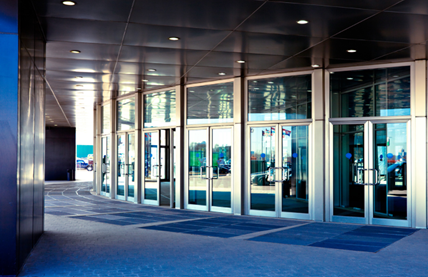
When an automatic door stops working properly, it can quickly become more than a minor inconvenience. For commercial properties, healthcare facilities, retail stores, office buildings, transportation hubs, and public spaces, a malfunctioning entrance can affect accessibility, safety, security, customer flow, and daily operations. Knowing when to seek emergency automatic door repair can help you protect your property, reduce liability risks, and restore convenient access as quickly as possible.
Automatic doors are designed to provide smooth, reliable, and hands-free entry. However, like any mechanical and electronic system, they can experience wear, sensor issues, power problems, alignment concerns, or damage from impact or weather. When a door fails, the right response depends on the severity of the problem, the type of door, and whether the issue creates an immediate safety or security concern.
Below is a practical guide to what you should do when your automatic door fails, what signs to look for, and when to call a qualified professional.
Why Automatic Door Failures Should Be Taken Seriously
Automatic doors are often the first point of contact between a business and its visitors. When they function correctly, they help create a welcoming, accessible, and efficient entrance. When they fail, they can create several problems, including:
- Restricted access for customers, employees, patients, tenants, and visitors
- Safety risks caused by doors closing too quickly, failing to open, or moving unpredictably
- Security concerns if the door cannot close or lock properly
- Energy loss due to doors remaining open
- Reduced compliance with accessibility expectations
- Negative impressions for customers and guests
- Business interruptions during peak traffic periods
A door that seems only slightly unreliable today may become a larger issue if ignored. Small problems such as delayed response, inconsistent sensor activation, grinding sounds, or uneven movement can indicate developing mechanical or electrical concerns.
First Step: Assess the Immediate Safety Risk
If your automatic door fails, start by determining whether anyone is at risk. Safety should always come first.
Ask these questions:
- Is the door stuck open or closed?
- Is the door moving suddenly, too quickly, or unpredictably?
- Did the door strike a person or object?
- Are there broken glass panels, exposed hardware, or damaged frames?
- Is the entrance creating a trip, pinch, or impact hazard?
- Is the door preventing people from entering or exiting safely?
- Is the door part of an emergency exit route?
If the door presents a safety risk, restrict access to the area right away. Use cones, temporary signage, caution tape, or staff direction to guide people to another entrance. Do not allow customers or employees to continue using a door that appears unsafe.
Secure the Area and Redirect Traffic
Once you have identified a potential issue, take steps to keep people away from the malfunctioning entrance. This is especially important in high-traffic commercial environments where people may expect the door to open automatically.
Consider the following steps:
- Post clear signage that says the door is temporarily out of service.
- Direct visitors to an alternate entrance.
- Assign a staff member to assist with access if needed.
- Keep the surrounding floor area clear.
- Prevent people from forcing the door open or closed.
- Make sure emergency exits remain accessible.
If the building has multiple entrances, redirecting traffic may be simple. If the failed door is the primary accessible entrance, it is especially important to schedule service promptly so that visitors with mobility needs are not inconvenienced or excluded.
Do Not Force the Door
It may be tempting to push, pull, or manually force an automatic door when it stops operating. However, this can make the problem worse. Automatic door systems include sensors, operators, motors, tracks, rollers, control boards, guide rails, pivots, arms, and other components that must work together precisely.
Forcing the door can cause:
- Bent tracks
- Damaged rollers
- Motor strain
- Broken arms or pivots
- Misalignment
- Sensor damage
- Glass breakage
- Additional safety hazards
Some automatic doors are designed with manual breakout features, especially in emergency situations. However, these should be used only as intended. If you are unsure how the door system is designed to operate manually, contact a professional before taking action.
Check for Obvious Obstructions
In some cases, the problem may be caused by a simple obstruction. Before assuming there is a major mechanical failure, look around the door carefully.
Check for:
- Mats bunched up near the threshold
- Debris in the track
- Items blocking the sensor field
- Snow, ice, or leaves near the entrance
- Loose signage or decorations
- Objects preventing the door from closing fully
- Dirt or buildup around the guide area
If you can safely remove the obstruction without touching moving parts or forcing the door, do so. Afterward, observe whether the door returns to normal operation. If the problem continues, stop using the door and call for service.
Look for Sensor Problems
Sensors are a critical part of automatic door operation. They detect approaching pedestrians, monitor presence near the threshold, and help prevent the door from closing on someone. If a sensor is dirty, misaligned, blocked, or malfunctioning, the door may not open or close correctly.
Common signs of sensor trouble include:
- The door does not open when someone approaches.
- The door opens and closes repeatedly with no one nearby.
- The door stays open longer than usual.
- The door closes too soon.
- The door activates inconsistently.
- The door reacts only when someone is very close.
Cleaning visible sensor covers may help if dirt or dust is interfering with detection. However, sensor alignment and calibration should be handled by trained professionals. Improper sensor settings can create safety risks.
Consider Power and Control Issues
Automatic doors rely on power, wiring, switches, control systems, and sometimes backup systems. If your door suddenly stops operating, the issue could be electrical.
Possible causes include:
- Power outage
- Tripped breaker
- Faulty switch
- Damaged wiring
- Control board problem
- Failed motor
- Battery backup issue
- Loose connection
If other electrical systems in the building are also affected, the issue may be related to the building power supply. If only the door is affected, the problem may be within the door system itself. Avoid opening panels, touching wiring, or attempting electrical repairs. These systems should be inspected by qualified technicians.
Know When the Problem Is an Emergency
Not every automatic door issue requires immediate emergency service, but some situations should be addressed as quickly as possible.
You may need urgent service if:
- The door will not close, and the building cannot be secured.
- The door will not open and blocks access to the business.
- The door creates a safety hazard for pedestrians.
- The door is part of an accessible entrance, and no suitable alternative is available.
- The door has broken glass or damaged structural components.
- The door is making loud grinding, popping, or scraping noises.
- The door moves erratically or too quickly.
- The door was damaged by impact, vandalism, severe weather, or attempted entry.
In these cases, professional repair is not just about convenience. It is about restoring safe, secure, and dependable access.
Why Professional Service Matters
Automatic doors are complex systems. They must operate reliably while meeting safety expectations and supporting accessibility. Professional technicians understand how to inspect, diagnose, adjust, and repair automatic door systems without creating additional risks.
A qualified service provider can evaluate:
- Door operators
- Sensors and activation devices
- Safety systems
- Motors and controls
- Tracks and rollers
- Hinges, pivots, and arms
- Door panels and framing
- Locks and access control connections
- Manual operation features
- Energy compliance considerations
Professional service also helps identify whether the issue is isolated or part of a larger pattern of wear. For commercial properties, preventive maintenance can help reduce unexpected failures and extend the life of the door system.
The Role of AAADM in Automatic Door Safety
The American Association of Automatic Door Manufacturers, commonly known as AAADM, plays an important role in the automatic door industry. AAADM is associated with standards, education, and certification related to automatic pedestrian doors. When choosing a service provider, it is helpful to work with professionals who understand industry practices and the importance of proper inspection, maintenance, and safe operation.
Automatic doors are not ordinary entry doors. They combine movement, sensors, electrical systems, and public use. Because of this, building owners and facility managers should take maintenance and repair seriously. Working with trained professionals helps ensure that door systems are evaluated with safety, function, and reliability in mind.
Common Types of Automatic Doors and Their Failure Points
Different automatic door systems can experience different problems. Understanding the type of door you have can help you communicate the issue more clearly when requesting service.
Automatic Sliding Doors
Sliding doors are common in retail stores, hospitals, offices, hotels, and public buildings. They may fail due to sensor problems, track obstructions, worn rollers, motor issues, or alignment problems.
Warning signs include:
- Door panels dragging
- Uneven movement
- Repeated opening and closing
- Loud track noise
- Slow response
- Failure to fully close
Automatic Swing Doors
Automatic swing doors are often used for accessible entrances, commercial buildings, healthcare spaces, and offices. These systems may experience problems with operators, arms, pivots, activation devices, or safety sensors.
Warning signs include:
- Door opens too slowly or too quickly
- Door does not latch properly
- Door hits the frame
- Door stops midway
- Push plates or touchless activation devices do not respond
- Unusual clicking or grinding sounds
Revolving Doors
Revolving doors are designed to manage traffic flow, reduce drafts, and support energy efficiency. When they fail, the issue may involve speed control, sensors, drive systems, glass panels, or safety mechanisms.
Warning signs include:
- Inconsistent rotation
- Sudden stops
- Excessive resistance
- Sensor alerts
- Unusual noise
- Failure to maintain proper speed
Manual Doors with Automatic Features
Some manual doors include automatic operators, touchless controls, access control integrations, or modifications for non-contact operation. These systems still require proper inspection and maintenance to ensure dependable performance.
Non-Contact Door Operation and Modern Access Needs
Solutions for non-contact door openings have become increasingly important since COVID-19 changed how businesses think about shared surfaces and public access. Many commercial spaces now prioritize hands-free entry to help reduce touchpoints and improve convenience.
Non-contact door solutions may include:
- Motion sensors
- Wave-to-open switches
- Touchless activation plates
- Automatic operators for existing doors
- Access control integration
- Retrofitted manual doors
- New automatic door installations
For many businesses, these upgrades are not only about hygiene. They also improve accessibility, traffic flow, and the overall user experience.
Preventive Maintenance Can Reduce Future Failures
Once your automatic door has been repaired, it is wise to think about ongoing maintenance. Many failures can be prevented or caught early with regular inspection and adjustment.
A maintenance plan may include:
- Sensor testing
- Safety checks
- Track cleaning
- Roller and hardware inspection
- Operator adjustment
- Lubrication where appropriate
- Door speed and force checks
- Activation device testing
- Review of manual operation
- Inspection of locks and access control connections
Preventive maintenance helps keep entrances functional, dependable, and secure. It can also reduce downtime and help property managers plan repairs before they become emergencies.
What Information to Provide When Calling for Service
When contacting a professional automatic door company, provide as much clear information as possible. This helps the service team understand the urgency and prepare for the repair.
Be ready to share:
- The building address
- The type of door, such as swing, slide, or revolving
- Whether the door is automatic or manual with an operator
- What the door is doing or not doing
- Whether the door is stuck open or closed
- Whether there was impact, weather damage, or vandalism
- Whether anyone was injured
- Whether the entrance is required for accessibility
- Whether the building can be secured
- Any unusual sounds, lights, or error indicators
Clear details can help the technician diagnose the problem faster and bring the right tools or replacement parts when possible.
FAQ
What should I do first when my automatic door stops working?
First, check whether the door creates a safety or security risk. If it does, stop people from using it, redirect traffic, and contact a professional service provider.
Can I repair an automatic door myself?
Basic checks, such as looking for visible obstructions, may be safe. However, mechanical, electrical, sensor, and operator repairs should be handled by trained professionals.
Why does my automatic door keep opening and closing?
This may be caused by sensor misalignment, a blocked sensor field, electrical issues, or a control problem. A technician can inspect and adjust the system safely.
Is a door stuck open considered an emergency?
Yes, it can be. A door stuck open can create security risks, energy loss, and safety concerns, especially after business hours or during bad weather.
Why is my automatic door making noise?
Grinding, scraping, clicking, or popping sounds may indicate worn parts, track issues, motor strain, or misalignment. These sounds should not be ignored.
How often should automatic doors be serviced?
Service frequency depends on traffic volume, door type, building use, and manufacturer recommendations. High-traffic commercial entrances often benefit from regular preventive maintenance.
Can an existing manual door be modified for non-contact operation?
Yes, many manual doors can be upgraded with automatic operators, touchless switches, or other non-contact activation solutions, depending on the door and building requirements.
Why should I work with an experienced automatic door company?
Experienced professionals understand safety, accessibility, hardware, controls, sensors, and industry practices. Proper service helps ensure the entrance remains functional, dependable, and secure.
Call Door Automation Corporation for Reliable Door Solutions
When your automatic door fails, you need a knowledgeable team that understands commercial access, safety, convenience, and dependable operation. Door Automation Corporation provides solutions for convenient access to commercial spaces, including automatic and manual swing, slide, and revolving doors.
Our reliable professionals work with industry-leading products to provide functional, dependable, and secure entryways. We also provide modifications that support non-contact door operation, which has become the new normal for many facilities due to COVID-19. Whether you need upgrades to an existing entrance or new automatic doors that follow standard automated door energy compliance, we are ready to help.
We work closely as design consultants with many of the top architectural firms in New York City, and our skilled team is here whenever you need support. For dependable service, thoughtful solutions, and commercial door expertise, contact us today.