

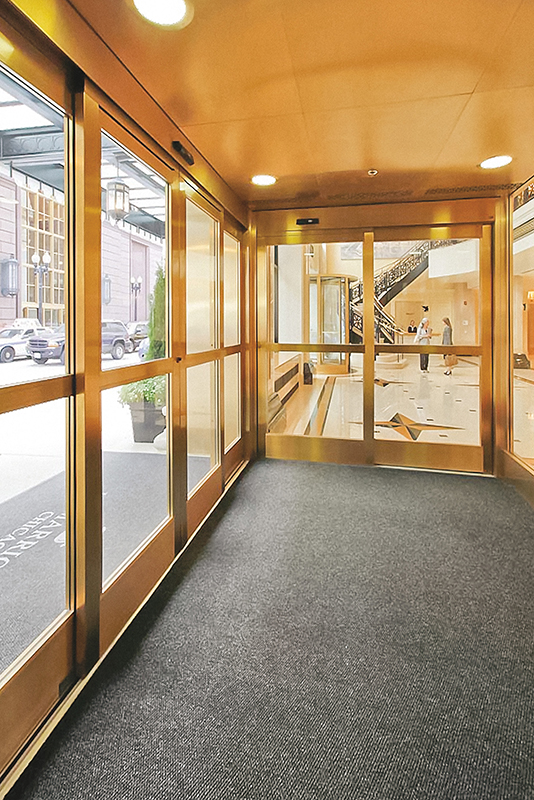
Choosing the right automatic door materials is an important part of designing a commercial entryway that is attractive, durable, secure, and easy to use. Automatic doors do more than open and close. They help manage traffic flow, support accessibility, improve energy efficiency, and create a strong first impression for visitors, tenants, employees, and customers. Whether a building uses automatic swing doors, sliding doors, revolving doors, or manual doors with automatic modifications, the materials and finishes selected can affect long-term performance, maintenance needs, safety, and overall appearance.
Automatic doors are commonly used in office buildings, hotels, hospitals, retail stores, airports, schools, mixed-use developments, and many other commercial spaces. Because these entrances often experience heavy daily use, the materials must be able to withstand frequent operation, changing weather conditions, cleaning routines, and public contact. At the same time, the finish should complement the building’s architecture and support the desired level of visibility, privacy, and security.
Below is an informational guide to the best finishes and materials for automatic doors, including important considerations for commercial properties, accessibility, hygiene, and long-term value.
Why Material Selection Matters for Automatic Doors
Automatic doors are mechanical systems that depend on precise movement, reliable hardware, and durable components. The wrong material choice can lead to premature wear, unnecessary repairs, poor insulation, or a mismatched appearance. The right material can help the door system perform better and look professional for years.
Material selection matters because it can influence:
- Door weight and operating efficiency
- Resistance to dents, corrosion, and scratches
- Compatibility with sensors, operators, and control systems
- Glass visibility and safety
- Energy performance
- Security and impact resistance
- Cleaning and maintenance requirements
- Architectural appearance
- Code compliance and accessibility
Commercial entryways must also be designed with safety standards in mind. The American Association of Automatic Door Manufacturers, commonly known as AAADM, plays an important role in promoting safety, education, and professional standards in the automatic door industry. Working with knowledgeable professionals who understand industry standards helps ensure that automatic door systems are installed, inspected, and maintained properly.
Aluminum: A Popular Choice for Commercial Automatic Doors
Aluminum is one of the most widely used materials for automatic door frames, especially in commercial sliding and swinging door systems. It is lightweight, durable, corrosion-resistant, and adaptable to many architectural styles.
Aluminum is often preferred because it offers a strong balance of appearance and function. Since automatic door operators must move the door panels repeatedly throughout the day, a lighter material can help reduce strain on the operating system. Aluminum provides structural support without adding unnecessary weight.
Common advantages of aluminum include:
- Excellent corrosion resistance
- Lightweight construction
- Easy compatibility with glass panels
- Wide range of finish options
- Low maintenance requirements
- Modern, professional appearance
- Strong performance in high-traffic locations
Aluminum frames are commonly used in storefronts, office entrances, healthcare facilities, schools, and retail buildings. They can be finished in clear anodized aluminum, dark bronze, black, painted finishes, or custom colors to match surrounding architecture.
Stainless Steel for Durability and a Premium Appearance
Stainless steel is another excellent material for automatic doors, particularly in environments where strength, cleanliness, and appearance are top priorities. It is frequently used in hospitals, airports, luxury buildings, transportation hubs, laboratories, food service areas, and high-end commercial spaces.
Stainless steel offers a polished and professional appearance while providing excellent durability. It resists corrosion, handles frequent cleaning, and can stand up well in demanding environments. For businesses that want a sleek, modern look with long-lasting performance, stainless steel is often a strong choice.
Stainless steel may be used for:
- Door rails
- Push plates
- Kick plates
- Handles
- Cladding
- Frames
- Hardware components
- Protective trim
One of the biggest benefits of stainless steel is its ability to handle repeated contact. In busy commercial settings, doors are often touched, bumped, cleaned, and exposed to carts, equipment, luggage, or pedestrian traffic. Stainless steel provides added protection in these situations.
Glass Options for Automatic Doors
Glass is a central material in many automatic door systems. It improves visibility, supports natural light, and creates an open, welcoming entrance. However, not all glass is the same. The type of glass selected should be based on safety, security, energy efficiency, privacy, and appearance.
Common glass options include:
- Tempered glass: Heat-treated for strength and designed to break into small pieces rather than sharp shards.
- Laminated glass: Made with an interlayer that helps hold the glass together if broken.
- Insulated glass: Designed to improve thermal performance and reduce energy loss.
- Tinted glass: Helps reduce glare and solar heat gain.
- Frosted or etched glass: Adds privacy while still allowing light to pass through.
- Low-E glass: Improves energy efficiency by reducing heat transfer.
- Security glass: Designed for enhanced impact resistance in higher-risk areas.
For many commercial spaces, glass automatic doors create a transparent and accessible entryway. They allow people to see whether someone is approaching from the opposite side, which can improve safety and traffic flow. In retail settings, glass also helps maintain visibility into the business.
Anodized Finishes for Aluminum Doors
Anodized finishes are commonly used on aluminum automatic doors because they are durable, attractive, and resistant to corrosion. The anodizing process strengthens the surface of the aluminum and creates a finish that does not peel or flake as some coatings can.
Popular anodized finish colors include:
- Clear aluminum
- Champagne
- Light bronze
- Medium bronze
- Dark bronze
- Black
Anodized finishes are especially useful for commercial buildings that need a clean, professional look with reliable long-term performance. They are often selected for storefronts, office buildings, institutional facilities, and high-traffic public spaces.
A clear anodized finish provides a bright, modern appearance, while bronze or black finishes can create a more traditional, dramatic, or upscale look. The best choice depends on the building’s design, surrounding materials, and branding.
Painted and Powder-Coated Finishes
Painted and powder-coated finishes offer more color flexibility than many standard metal finishes. These options are useful when the automatic door system needs to match a specific architectural color, brand palette, or exterior design.
Powder coating is especially valued because it creates a durable, uniform finish. It is applied as a dry powder and then cured, creating a strong surface that resists chipping, fading, and scratching when properly maintained.
Benefits of painted and powder-coated finishes include:
- Broad color selection
- Custom design flexibility
- Durable surface protection
- Compatibility with many architectural styles
- Good resistance to weathering
- Professional appearance
These finishes are often used in commercial spaces where appearance is a major design consideration. They can help automatic doors blend seamlessly with curtain wall systems, storefront framing, metal panels, and other architectural elements.
Bronze and Dark Finishes for Sophisticated Entrances
Dark bronze, black, and similar deep finishes are popular in modern commercial architecture. They provide a refined appearance and can create strong visual contrast against glass, stone, brick, or light-colored exterior materials.
Bronze finishes are often used in:
- Office towers
- Hotels
- Residential lobbies
- Retail storefronts
- Cultural institutions
- Historic renovations
- Luxury commercial buildings
A dark finish can make an entrance feel more polished and intentional. However, darker finishes may show dust, fingerprints, or surface marks more easily than lighter finishes, depending on the location and cleaning routine. For this reason, property owners should consider both appearance and maintenance when selecting a finish.
Protective Plates and Reinforced Components
Automatic doors in high-traffic commercial spaces often benefit from protective components. These elements help reduce wear, improve durability, and prevent visible damage from daily use.
Common protective components include:
- Kick plates
- Push plates
- Armor plates
- Mop plates
- Edge guards
- Protective rails
- Reinforced bottom rails
Kick plates are especially useful on swing doors, where the lower portion of the door may be contacted by shoes, carts, cleaning equipment, or deliveries. Stainless steel is a common choice for these protective elements because it is strong, easy to clean, and visually professional.
Protective components are particularly important in hospitals, schools, airports, apartment buildings, and service entrances where door systems may be exposed to frequent impact.
Materials for Automatic Sliding Doors
Automatic sliding doors are common in retail stores, healthcare facilities, hotels, and office buildings because they provide convenient hands-free access while saving space. Materials for sliding doors must support smooth operation, stability, and safety.
Typical sliding door systems include:
- Aluminum frames
- Tempered or laminated glass panels
- Stainless steel or aluminum rails
- Weatherstripping
- Threshold components
- Sensor-compatible headers
- Durable track systems
Sliding doors often use large glass panels to create a bright and open entry. Because these doors move horizontally, the materials must be carefully balanced to allow the operator to function reliably. Aluminum and glass are a common pairing because they provide strength, visibility, and relatively low weight.
Materials for Automatic Swing Doors
Automatic swing doors are frequently used where existing manual doors need to be automated or where a traditional hinged door design is preferred. These doors may be made from glass, aluminum, steel, wood, or a combination of materials.
Automatic swing doors may be used in:
- Office entrances
- Restrooms
- Healthcare spaces
- Schools
- Apartment buildings
- Interior corridors
- Accessible entrances
When converting manual swing doors to automatic operation, the existing door material and frame condition must be evaluated. The operator must be compatible with the door’s weight, hinge condition, traffic flow, and safety requirements.
Common swing door materials include:
- Aluminum and glass
- Hollow metal
- Stainless steel
- Wood veneer
- Fiberglass
- Full glass panels
Automatic swing doors may also be equipped with touchless activation devices, wave sensors, push plates, card readers, and access control systems.
Materials for Revolving Doors
Revolving doors are often selected for large commercial buildings, hotels, and office towers because they help control air exchange, improve energy efficiency, and manage pedestrian traffic. These systems require strong, durable materials because they include multiple moving wings, glass panels, central shafts, and surrounding enclosure components.
Common revolving door materials include:
- Aluminum
- Stainless steel
- Tempered glass
- Laminated glass
- Bronze-finished metal
- Painted or powder-coated metal
- Security glass for higher-risk applications
Revolving doors are highly visible architectural features, so finish selection is especially important. Stainless steel can create a sleek and modern look, while bronze or dark finishes may provide a more traditional or upscale appearance. Glass selection is also important for visibility and safety.
Wood and Wood Veneer Finishes
While less common for exterior automatic sliding systems, wood and wood veneer finishes can be used in certain automatic swing door applications, especially in interior commercial spaces. Wood provides warmth and a refined appearance, making it suitable for offices, hospitality environments, private clubs, and high-end interiors.
However, wood requires careful consideration. It may be more sensitive to moisture, impact, and environmental changes than metal or glass. For automatic operation, the door must also be properly balanced and compatible with the operator.
Wood finishes may be appropriate for:
- Executive offices
- Conference areas
- Interior lobbies
- Hospitality spaces
- Institutional interiors
- Historic buildings
For many commercial projects, wood is combined with metal hardware, glass vision panels, or protective plates to improve durability.
Touchless and Non-Contact Door Operation
Non-contact door openings have become increasingly important in commercial environments. Due to COVID-19, many businesses and building owners have looked for ways to reduce touchpoints and improve the convenience of entry. Touchless automatic door solutions can help support cleaner, more accessible, and more convenient movement through a space.
Non-contact door operation may include:
- Motion sensors
- Presence sensors
- Wave-to-open switches
- Touchless activation plates
- Access control integration
- Remote activation
- Automatic operators for existing manual doors
The material and finish selection should support these systems. For example, sensor housings, activation plates, and access control devices should be compatible with the surrounding door frame and finish. Stainless steel touchless plates, dark sensor housings, and integrated frame-mounted devices can help the system look clean and intentional.
Energy Efficiency and Door Materials
Automatic doors can support energy efficiency when properly selected, installed, and maintained. Energy performance depends on the door type, glass selection, sealing, opening speed, traffic patterns, and control settings.
Important energy-related material considerations include:
- Insulated glass for improved thermal performance
- Low-E coatings to reduce heat transfer
- Weatherstripping to limit air leakage
- Revolving doors to reduce air exchange
- Properly sealed sliding door systems
- Energy-compliant automatic door systems
- Durable thresholds and sweeps
Door Automation Corporation provides new automatic doors that follow standard automated door energy compliance. This is especially important for commercial buildings in dense urban environments where comfort, efficiency, and code considerations all matter.
Security Considerations for Automatic Door Materials
Security is another major factor when selecting automatic door materials. Commercial entryways must balance openness and accessibility with protection. Depending on the building type, security needs may range from basic durability to advanced access control and impact-resistant materials.
Security-focused material options may include:
- Laminated safety glass
- Reinforced metal frames
- Stainless steel hardware
- Access-controlled automatic doors
- Heavy-duty locking systems
- Breakout panels for emergency egress
- Security-rated glazing
- Durable door rails and stiles
For office buildings, schools, medical facilities, and multi-tenant properties, automatic doors may need to integrate with card readers, intercoms, cameras, or building management systems. The selected materials must accommodate this technology without compromising appearance or performance.
Maintenance and Cleaning Considerations
A beautiful automatic door system should also be practical to maintain. High-traffic entrances collect fingerprints, dust, moisture, and debris. The materials and finishes selected should match the building’s cleaning schedule and expected usage level.
Maintenance-friendly choices include:
- Stainless steel protective plates for high-contact areas
- Anodized aluminum frames for corrosion resistance
- Powder-coated finishes for color durability
- Tempered or laminated glass for safety
- Smooth surfaces that are easy to wipe down
- Durable thresholds and tracks that can be cleaned regularly
Sliding door tracks, sensors, and operators should be inspected and maintained by qualified professionals. AAADM-trained inspectors and experienced automatic door technicians can help identify issues before they become larger problems.
Matching Materials to Building Type
Different commercial spaces have different needs. A hospital entrance may prioritize hygiene, accessibility, and durability. A luxury hotel may prioritize appearance and smooth operation. A retail storefront may need visibility, branding, and high daily performance.
Here are common material priorities by building type:
- Healthcare facilities: Stainless steel, touchless activation, easy-clean surfaces, wide automatic openings, durable glass.
- Retail stores: Aluminum frames, clear glass, sliding doors, branded finishes, strong visibility.
- Office buildings: Revolving doors, sliding doors, bronze or black finishes, access control integration.
- Hotels: Premium finishes, stainless steel, glass, revolving doors, quiet operation.
- Schools: Durable frames, reinforced glass, safe hardware, accessible entry systems.
- Industrial facilities: Heavy-duty metal doors, protective plates, practical finishes, secure operation.
- Residential buildings: Attractive lobby doors, automatic swing or sliding systems, access control compatibility.
The best choice depends on traffic, security needs, climate exposure, architectural design, and budget.
The Role of Professional Design and Installation
Even the best materials will not perform properly if the door system is poorly designed or installed. Automatic doors require careful planning because the door panels, operators, sensors, safety systems, activation devices, controls, and surrounding structure must work together.
Professional design and installation can help ensure:
- Correct door type selection
- Proper operator sizing
- Safe sensor placement
- Code-conscious installation
- Smooth daily performance
- Reliable access control integration
- Long-term serviceability
- Appropriate finish and material selection
Door Automation Corporation works closely as design consultants with many top architectural firms in New York City. This experience is especially valuable for commercial projects that require both dependable performance and a polished architectural result.
FAQ: Best Finishes and Materials for Automatic Doors
What is the best material for automatic door frames?
Aluminum is one of the most common choices because it is lightweight, durable, corrosion-resistant, and compatible with glass. Stainless steel is also an excellent option when added strength, hygiene, or a premium appearance is needed.
What type of glass is best for automatic doors?
Tempered glass and laminated glass are commonly used for safety. Insulated, tinted, Low-E, or security glass may be recommended depending on energy, privacy, and security needs.
Are stainless steel finishes good for high-traffic doors?
Yes. Stainless steel is durable, easy to clean, and resistant to corrosion. It is a strong choice for hospitals, airports, office buildings, hotels, and other busy commercial spaces.
What finish is most durable for aluminum automatic doors?
Anodized and powder-coated finishes are both durable options. Anodized finishes are known for corrosion resistance, while powder coating offers wider color flexibility.
Can existing manual doors be converted to automatic doors?
In many cases, yes. Existing swing doors can often be modified with automatic operators and touchless activation devices, depending on the door condition, frame, hardware, and safety requirements.
Are touchless automatic doors worth it?
Yes. Touchless systems can improve convenience, accessibility, and hygiene by reducing the need for physical contact. They are especially useful in healthcare, office, retail, and public environments.
What does AAADM have to do with automatic doors?
The American Association of Automatic Door Manufacturers supports safety, education, and professional standards in the automatic door industry. AAADM-trained professionals help promote proper inspection and safe operation of automatic door systems.
Which automatic door type is best for energy efficiency?
Revolving doors can be very effective at reducing air exchange in busy buildings. Sliding and swinging automatic doors can also support energy efficiency when properly sealed, equipped with appropriate glass, and installed according to applicable standards.
How often should automatic doors be serviced?
Automatic doors should be inspected and maintained regularly based on usage, environment, and manufacturer recommendations. High-traffic commercial doors may require more frequent professional service.
What is the best finish for a modern commercial entrance?
Black, dark bronze, clear anodized aluminum, and stainless steel are all popular choices for modern commercial entrances. The best finish depends on the building design, desired appearance, and maintenance expectations.
Choose Door Automation Corporation for Reliable Commercial Entry Solutions
The best automatic door system begins with the right materials, the right finish, and the right team. Door Automation Corporation provides solutions for convenient access to commercial spaces, including automatic and manual, swing, slide, and revolving doors. Our reliable professionals work with industry-leading products to provide functional, dependable, and secure entryways.
As non-contact door openings continue to become the new normal due to COVID-19, we can provide modifications that support touchless door operation, as well as new automatic doors designed to follow standard automated door energy compliance. We work closely as design consultants with many of the top architectural firms in New York City, and our skilled team is here whenever you need dependable support.
For professional automatic door solutions that combine convenience, safety, accessibility, and architectural quality, rely on us. Contact us to learn more about our commercial door services and speak with our team about the right automatic door system for your space.