
Blog

Transform Your Entrance: How the Crane Revolving Door Rehab Kit Breathes New Life into Existing Doors

Transform Your Entrance: How the Crane Revolving Door Rehab Kit Breathes New Life into Existing Doors

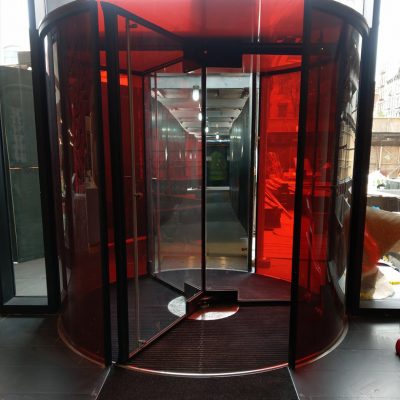
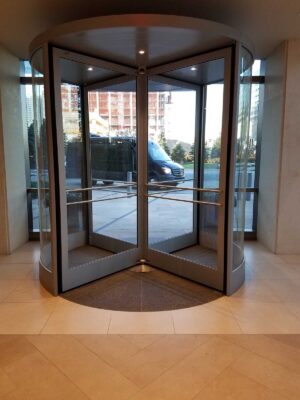
When it comes to creating a first impression, your building’s entrance speaks volumes. It sets the tone for the entire experience, guiding visitors into a space that should feel professional, functional, and inviting. But as buildings age, even the most reliable revolving doors can begin to show signs of wear, inefficiency, or outdated technology. Fortunately, replacing an entire entrance system isn’t always necessary. The Crane Revolving Door Rehab Kit provides an efficient, sustainable, and cost-effective solution to restore existing doors to like-new performance and appearance while aligning with modern standards of safety, design, and energy efficiency.

The Evolution of Revolving Door Technology

Revolving doors have long been an architectural staple in commercial buildings, prized for their ability to enhance climate control, reduce energy loss, and manage high-traffic entryways with elegance. Over time, however, exposure to heavy use, environmental wear, and outdated components can lead to reduced performance.

That’s where the Crane Revolving Door Rehab Kit steps in. Developed by dormakaba, a trusted name in access solutions, this kit provides a complete refurbishment package that brings your existing revolving doors up to modern performance and design standards.

The kit allows building owners and facility managers to retrofit their existing revolving doors instead of replacing them entirely. By utilizing the existing structure, the Crane Rehab Kit minimizes costs and installation downtime while maximizing aesthetics and operational performance.

Why Choose to Rehabilitate Instead of Replace?

Complete door replacement can be disruptive, costly, and time-consuming. Rehabilitation, on the other hand, offers a smart, sustainable alternative. The Crane Revolving Door Rehab Kit delivers numerous benefits, including:

  1. Cost Efficiency: Instead of tearing out and replacing an entire revolving door system, the rehab kit leverages your existing framework. This drastically reduces material and labor costs while minimizing business interruptions.
  2. Keep the Aesthetic of Your Classic Style Door: A Rehab Kit can be built to look like your old classic door and keep the aesthetic of your building’s architectural design. Crane can manufacture a Rehab Kit to any dimension to replace the wings and hardware of any existing revolving door, no matter who originally manufactured it. Kits are manufactured from aluminum, stainless steel, bronze, or wood to match the original door.
  3. Customization: The kit allows for modern updates and upgrades, including finishes, canopy lighting, and improved mechanical or automatic drive systems, ensuring your entryway looks and functions like new.
  4. Energy Savings: Updated seals, glazing, and drive mechanisms improve insulation and energy retention, reducing air infiltration and helping maintain building climate control.
  5. Minimal Downtime: Because the existing structure remains in place, the rehab process can be completed more quickly than full replacement, keeping disruptions to a minimum.

What’s Included in the Crane Revolving Door Rehab Kit?

The Crane Rehab Kit is designed to replace the components most subject to wear and modernization needs while preserving the existing outer shell. This includes upgrades to both the mechanical and aesthetic aspects of the door.

Common components that can be replaced or enhanced include:

  • Door Wings and Hardware: New door wings can be installed with updated glazing options for improved aesthetics and performance.
  • Drive and Control Systems: Upgrade to the latest manual or automatic drive systems that enhance functionality and reliability.
  • Ceiling and Lighting Systems: New canopy lighting can modernize the appearance and improve energy efficiency with LED technology.
  • Seals and Weatherproofing: Replace worn seals to improve climate control and energy conservation.
  • Finishes and Materials: Choose from an array of modern finishes to complement your building’s updated design aesthetic.

Improved Aesthetics Without the Heavy Price Tag

Your building’s entrance is often one of its most visible architectural elements. A faded, scratched, or outdated revolving door can make even a well-maintained property appear neglected. The Crane Rehab Kit allows property owners to modernize finishes, lighting, and glass for a refreshed, contemporary look that aligns with current architectural trends.

These aesthetic improvements not only enhance curb appeal but also reinforce your building’s professional image. Whether you manage a hotel, office tower, retail complex, or institutional facility, the right entryway communicates quality, reliability, and attention to detail.

A Smarter Approach to Sustainability

Sustainability is at the forefront of modern building design, and the Crane Revolving Door Rehab Kit aligns perfectly with those goals. By reusing the existing door frame and structure, you reduce material waste and the carbon footprint associated with manufacturing and transporting a new system.

Furthermore, the improved sealing and energy-efficient design contribute to lower heating and cooling costs. This upgrade can help facilities meet LEED certification requirements and support overall energy reduction goals.

Seamless Integration for Modern Functionality

The beauty of the Crane Rehab Kit lies in its adaptability. Whether your entrance needs a cosmetic refresh, mechanical upgrades, or a full system modernization, the kit can be tailored to your needs. It supports both manual and automatic operation, allowing flexibility depending on your building’s traffic flow and energy requirements.

Integration with access control systems, building management platforms, and safety protocols is also possible, enabling facility managers to streamline operations while maintaining high levels of security and convenience.

Partner with Door Automation Corporation for a Flawless Installation

When it comes to implementing an upgrade of this caliber, working with an experienced partner makes all the difference. That’s where Door Automation Corporation comes in.

As a trusted provider of innovative entrance solutions, Door Automation Corporation specializes in the design, installation, and servicing of both automatic and manual swing, slide, and revolving doors. Our team works directly with industry-leading products like dormakaba’s Crane Revolving Door Rehab Kit to deliver top-quality results.

We understand that every building is unique, and our professionals collaborate closely with architects, engineers, and facility managers to ensure that each entrance is functional, compliant, and visually striking.

Expert Consultation and Ongoing Support

One of the advantages of working with Door Automation Corporation is our commitment to partnership. We’re more than installers; we’re design consultants who collaborate with many of New York City’s top architectural firms.

From concept to completion, we help integrate access systems that balance performance, aesthetics, and code compliance. Our skilled team remains available long after installation, providing maintenance, support, and guidance to ensure your entrance continues to operate flawlessly for years to come.

Transform Your Entrance Today

Your building’s entrance is more than just a passageway; it’s a statement about your organization’s values, efficiency, and attention to detail. With the Crane Revolving Door Rehab Kit, you can revitalize your existing revolving door system to meet today’s standards of performance, sustainability, and design, all without the disruption or cost of a full replacement.

At Door Automation Corporation, we’re ready to help you bring that transformation to life. Whether you need to modernize an existing door or explore options for new automatic systems, our experienced professionals are here to provide expert guidance and high-quality solutions tailored to your needs.

Contact us today to learn how the Crane Revolving Door Rehab Kit can rejuvenate your building’s entrance and enhance the safety, functionality, and appeal of your space.

Revolutionizing Swing Door Safety: How the OPTEX ELITE PRO Series Sets a New Standard

Revolutionizing Swing Door Safety: How the OPTEX ELITE PRO Series Sets a New Standard

The Evolution of Automatic Door Safety

Automatic doors have long been a hallmark of convenience and innovation in commercial architecture. From bustling office buildings to busy healthcare facilities, these systems are designed to simplify entry and exit while maintaining efficiency and security. Yet, as technology advances and safety regulations grow increasingly stringent, the expectations placed on automatic door systems continue to evolve. Today, businesses are not only looking for accessibility but also intelligent safety, energy compliance, and hygiene-focused solutions that reflect modern needs. Enter the OPTEX ELITE PRO Series, a new generation of automatic door sensors engineered to redefine swing door safety and performance.

Meeting Modern Demands with Advanced Sensor Technology

At the core of the OPTEX ELITE PRO Series is a focus on intelligent motion and presence detection. Traditional sensors were often limited to simple activation, triggering doors to open when movement was detected. However, these older systems lacked the ability to distinguish between directional movement, stationary objects, or potential hazards in the door’s path. The ELITE PRO Series overcomes these limitations with dual technology sensing, integrating both active infrared and microwave motion detection. This combination allows the sensor to not only detect motion from multiple directions but also identify stationary objects or people who may still be within the swing path. The result is a system that enhances both convenience and safety, reducing the risk of contact-related accidents.

Unparalleled Precision and Customization

Every building has its unique layout, traffic flow, and environmental conditions. The OPTEX ELITE PRO Series is designed with this diversity in mind, offering configurable detection zones that can be fine-tuned to match specific site requirements. Technicians can easily adjust parameters to ensure optimal door performance without unwanted openings caused by nearby foot traffic or environmental changes. The sensor’s precision allows for exact detection fields, ensuring the door responds quickly and accurately when needed while conserving energy when not in use. This level of adaptability makes the ELITE PRO Series ideal for commercial spaces ranging from hospitals and retail environments to office towers and transportation hubs.

Safety Compliance and Energy Efficiency

In today’s industry, compliance with energy and safety standards is non-negotiable. The ELITE PRO Series sensors are built to align with ANSI 156.10 standards for power-operated pedestrian doors, ensuring compliance with essential safety regulations. The system’s intelligent energy management also contributes to lower operational costs and a smaller environmental footprint. By minimizing false activations and ensuring that doors only open when necessary, the sensors reduce energy loss through conditioned air exchange, helping buildings meet energy efficiency goals without compromising accessibility. These features make the ELITE PRO Series an essential component for businesses seeking compliance and sustainability in their operations.

Built for Reliability and Longevity

OPTEX products are known for their durability and precision engineering, and the ELITE PRO Series is no exception. These sensors are designed to withstand demanding environments and continuous use, providing dependable performance year after year. Weather-resistant housing and robust internal components ensure that the sensors operate reliably even under challenging conditions. With reduced maintenance requirements and long service life, the ELITE PRO Series delivers exceptional value over time, an investment that enhances both operational reliability and user safety.

Intuitive Installation and Maintenance

One of the hallmarks of the ELITE PRO Series is its installer-friendly design. With a streamlined setup process and intuitive configuration options, technicians can quickly mount and calibrate the sensors for immediate functionality. Visual indicators and user-friendly adjustment interfaces allow for fast and accurate alignment, minimizing installation time while maximizing precision. Additionally, the system supports remote adjustments and diagnostic tools, enabling maintenance teams to fine-tune performance or troubleshoot issues efficiently without requiring full system shutdowns. This design philosophy reflects OPTEX’s commitment to simplifying both installation and long-term serviceability.

Designed with Architects and Engineers in Mind

OPTEX understands that automatic door solutions must blend seamlessly into architectural designs while meeting stringent building codes. The ELITE PRO Series offers a sleek, compact design that can be integrated into both new construction and retrofit applications without compromising aesthetics. The system’s adaptability ensures compatibility with various door operators and control systems, making it a versatile choice for architects, designers, and engineers who value both form and function. Whether used in high-traffic lobbies, corporate campuses, or public infrastructure, the ELITE PRO Series enhances building performance without detracting from the overall design vision.

Partnering with Door Automation Corporation

While the technology behind the OPTEX ELITE PRO Series is exceptional, achieving the best results depends on professional installation and system integration. That’s where Door Automation Corporation comes in. As a trusted provider of automatic and manual door solutions for commercial spaces, Door Automation Corp partners with industry-leading manufacturers like OPTEX to deliver fully customized access solutions that meet the highest standards of performance and safety. Our team of experienced technicians and design consultants works directly with architectural firms, property owners, and contractors across New York City to ensure that every system is precisely engineered for each project’s unique needs.

Comprehensive Door Solutions for Every Space

Door Automation Corporation offers a wide range of products and services to enhance accessibility and safety across all types of commercial environments. From swing, sliding, and revolving doors to energy-compliant automation systems, we specialize in creating seamless, contact-free entry experiences that improve both functionality and aesthetics. In addition to installing new systems, our team can modify existing doors to incorporate non-contact activation, helping facilities adapt to new hygiene standards and operational expectations that have emerged since the COVID-19 pandemic. We prioritize reliability, security, and long-term performance in every solution we provide.

Your Partner in Design, Safety, and Innovation

Our collaboration with design professionals ensures that every automatic door solution integrates perfectly into your building’s layout, maintaining compliance with safety codes while achieving architectural harmony. With decades of experience and a deep understanding of automated access technologies, Door Automation Corporation stands as a leader in the field, bridging innovation and practicality to deliver the best outcomes for our clients. Whether you’re upgrading your existing doors or planning a new construction project, our experts are here to guide you every step of the way, from consultation to installation and ongoing support.

The Future of Door Safety Starts Now

As automation continues to redefine modern architecture, technologies like the OPTEX ELITE PRO Series are setting the benchmark for performance, precision, and protection. Businesses that invest in these advancements are not only enhancing user convenience but also reinforcing their commitment to safety, hygiene, and sustainability. With intelligent sensors, smart configuration, and energy efficiency built into every unit, the ELITE PRO Series represents the future of automatic door technology. And with Door Automation Corporation as your trusted partner, you can be confident that your systems will operate at their full potential.

Contact Door Automation Corporation Today

If you’re ready to elevate your building’s safety and accessibility standards, now is the time to act. Let Door Automation Corporation help you design and install state-of-the-art door systems featuring the OPTEX ELITE PRO Series. Together, we can create smarter, safer, and more efficient spaces that reflect the future of commercial access. Contact us to learn more or schedule a consultation with our team of professionals today.

What Is the Average Automatic Door Repair Cost?

What Is the Average Automatic Door Repair Cost?

When an automatic door malfunctions, business owners often ask the same question first: What is the average automatic door repair cost? The answer depends on several factors, including the type of repair, replacement parts, labor, travel expenses, and whether the call is scheduled or handled as an emergency. Knowing what drives costs—and how to minimize them—can help facility managers budget effectively while keeping their entryways safe, functional, and reliable.

Automatic Door Repair Cost: Common Price Ranges

Automatic door repair costs can vary widely depending on the system type (swing, sliding, or revolving) and the complexity of the repair. On average:

  • Minor adjustments or recalibrations: $150 – $300
  • Sensor replacements: $250 – $600
  • Operator (motor/drive unit) repairs or replacements: $800 – $3,500
  • Glass or frame replacement: $500 – $2,000+
  • Track or roller repairs: $300 – $1,200

Labor charges typically run between $75 and $150 per hour, and many companies have a one- to two-hour minimum. Emergency service fees, if the door fails after hours or on weekends, can add $200 to $500 on top of standard costs.

Automatic Door Repair Cost for Sensors & Operators

Sensors are among the most common components needing service. Whether it’s a motion sensor that won’t detect traffic or a safety sensor that fails to stop the door from closing, replacement parts range between $100 and $400, with labor pushing the total repair closer to $250–$600.

Operators, which power the door’s motion, are more expensive. Replacing an operator or motor can cost anywhere from $1,000 to $3,500, depending on the door type and brand. Repairing an existing operator, such as replacing belts, relays, or circuit boards, generally costs $400–$1,200.

Automatic Door Repair Cost for Glass, Frames & Tracks

Doors with broken glass panels or damaged frames are usually pricier to repair due to material costs.

  • Glass replacement: Standard tempered glass panels often cost $500–$1,200, while custom laminated or specialty glass can exceed $2,000.
  • Frame repairs: Bent or dented aluminum frames may be straightened, but often require section replacement, running $400–$1,000.
  • Tracks and rollers: Sliding doors rely on precise alignment and smooth track operation. Replacing rollers or track sections usually costs $300–$1,200, depending on system size and accessibility.

Automatic Door Repair Cost Drivers: Parts, Labor, Travel

Several variables determine the final bill for repairing an automatic door:

  1. Parts Pricing
    Higher-end doors and brands often require proprietary parts that come at a premium. For example, specialized revolving door parts cost more than standard swing door components.
  2. Labor Rates
    Most technicians bill hourly, with metropolitan areas trending toward higher labor costs. Complex installations may require multiple technicians, further raising costs.
  3. Travel Expenses
    Service companies may add travel surcharges if your facility is located outside their standard coverage area. These fees typically range from $50 to $150, depending on distance.

Emergency vs Scheduled Repairs: When to Wait (and When Not To)

Not all door failures require immediate emergency service. Understanding when to wait can help control costs.

  • When to Schedule Repairs
    If your door is functional but noisy, slow, or occasionally sticking, scheduling during business hours is usually sufficient. This avoids emergency fees and allows for planned downtime.
  • When Emergency Service Is Essential
    If your door poses a safety hazard—such as failing to stop when obstructed, not securing at night, or leaving a commercial entryway open—you should request emergency service. The added expense is justified to protect people, property, and business continuity.

How Maintenance Contracts Reduce Surprise Repairs

One of the best ways to minimize both repair costs and downtime is with a maintenance contract.

  • Routine Inspections: Preventive maintenance identifies worn parts before they fail, reducing the likelihood of emergency service.
  • Discounted Labor Rates: Many contracts include reduced labor costs for covered repairs.
  • Priority Response: Contract customers often receive faster service when emergencies occur.
  • Compliance Assurance: Regular maintenance helps ensure doors meet safety and accessibility codes.

While a maintenance contract typically costs $500 to $1,500 per year, it often pays for itself by preventing costly emergencies and extending equipment life.

Tips to Minimize Downtime and Repair Expenses

  1. Schedule Preventive Service every 6–12 months, especially for high-traffic entrances.
  2. Train staff on basic daily checks, such as ensuring tracks are clear of debris and sensors are unobstructed.
  3. Document recurring issues so technicians can diagnose underlying problems faster.
  4. Work with a trusted provider who understands your door brand and can source parts quickly.

Final Thoughts

The average automatic door repair cost ranges from a few hundred to several thousand dollars, depending on the nature of the repair. By understanding common cost drivers—parts, labor, travel, and emergency fees—you can make informed decisions about whether to schedule service or call for immediate help. More importantly, preventive maintenance can reduce surprises and keep your doors operating smoothly.

Contact Us Today

At Door Automation Corporation, we provide tailored solutions for convenient access to commercial spaces. Whether you need repairs for swing, slide, or revolving doors—or want to upgrade to non-contact entryways in response to COVID-19—our skilled professionals are ready to help. We work with industry-leading products, ensuring that your doors are not only functional but also secure and compliant with automated door energy standards.

Partner with us for reliable service, preventive maintenance, and expert design consultation. Contact us today to minimize downtime and keep your entryways performing at their best.

Commercial automatic sliding glass doors installed at a commercial building entrance in New York

Automatic Door Installation Cost for Commercial Buildings

When planning an upgrade to your building’s entrances, one of the first questions that comes up is: what is the automatic door installation cost for a commercial property? The price can vary widely depending on the type of door, the size of the opening, the technology involved, and the complexity of the install. A small office looking for a single sliding entry will face a very different cost than a hospital outfitting multiple large swing doors with advanced access controls. This guide breaks down what to expect, what drives costs up or down, and how to evaluate quotes the right way.

Automatic Door Installation Cost: Typical Range and Key Factors

Automatic doors are standard in commercial buildings across retail, healthcare, hospitality, and office environments. On average, installation costs for a standard automatic sliding or swing door range between $7,500 and $12,000 per door system, though projects can start as low as $4,000 or exceed $20,000 depending on scope and configuration.

Several factors influence where your project will land on that spectrum:

  • Door type and mechanism (sliding, swing, revolving, telescopic, folding)
  • Opening size and structural requirements
  • Glazing and door materials (aluminum, glass, steel, bronze)
  • Hardware (locks, closers, safety sensors, push plates)
  • Electrical work (dedicated circuits, low-voltage controls, building system integration)
  • Site preparation (framing, demolition, concrete work, ADA accessibility upgrades)
  • Location and labor market (urban markets like New York City carry higher labor rates than suburban or rural projects)

Each of these elements adds complexity and cost to your project. Understanding them before you request quotes puts you in a stronger position to evaluate bids accurately.

Automatic Door Installation Cost: Materials vs. Labor

Breaking the cost into materials and labor helps clarify where your investment actually goes:

Cost Component Percentage of Total What It Covers
Materials 60 to 70% Door panels, frames, motorized operators, sensors, glazing, access control hardware
Labor 30 to 40% Demolition, framing, wiring, anchoring, system integration, testing

In markets like Manhattan, Brooklyn, or northern New Jersey, labor costs are higher than national averages due to union requirements, parking and access logistics, and permit processing timelines. A vendor with unusually low labor costs may be cutting corners on certified installation, while inflated material costs can signal unnecessary upsells. Understanding this ratio helps you read any quote with a more critical eye.

Automatic Door Installation Cost by Door Type

The type of door system you choose is the single biggest price driver. Here is a breakdown by door category:

  • Automatic Sliding Doors: Standard systems typically range $7,500 to $12,000 per opening. Wider or telescopic designs carry higher costs due to additional panels and heavier-duty operators. These are the most common choice for retail storefronts and healthcare entrances.
  • Automatic Swing Doors: Generally cost $5,000 to $9,000 per opening for retrofit or new installs. Adding ADA-compliant actuator buttons and safety sensors increases the total modestly. Learn more about what goes into a commercial swing door service and installation.
  • Revolving Doors: Premium installations ranging from $20,000 to $50,000 or more. These provide strong energy efficiency and architectural impact but require more complex engineering, structural prep, and ongoing maintenance. See our full guide on revolving door options for commercial buildings.
  • Folding Doors: Costs typically fall between $8,000 and $15,000 depending on panel count and material. Common in retail and hospitality environments where wide clear openings are needed.
  • Specialty Doors (telescopic, curved, ICU-rated): Custom engineering pushes costs to $10,000 to $20,000 or more depending on configuration and compliance requirements.

How Opening Size Affects Automatic Door Installation Cost

Opening size matters more than most property owners expect. Larger openings require heavier-duty motors, additional door panels, and more glazing material. Doubling the width of an opening does not simply double the cost, because structural reinforcement, additional safety sensors, and more robust operators add cost disproportionately. For large-format commercial entrances, always request a site visit rather than a remote quote, since structural conditions on-site can shift the number significantly.

New Installation vs. Retrofit: Cost Differences

Whether you are replacing an existing manual door or installing an automatic system from scratch has a real impact on your final number.

  • Retrofit installations (converting an existing manual door to automatic) are generally less expensive. The structural opening already exists, and in many cases existing framing and electrical can be adapted. Retrofits typically run 10 to 25% less than full new installations.
  • New installations require framing, rough electrical, and often concrete or threshold work, which adds both cost and timeline. This is especially true in older commercial buildings in New York City, where older building stock can present unexpected structural conditions.

If you are weighing whether to retrofit or replace entirely, our blog on automatic door repair vs. replacement walks through how to make that decision clearly.

Add-On Costs: Sensors, Access Control, and Safety Systems

Modern automatic doors integrate with broader safety and security systems. These add-ons increase upfront cost but often deliver long-term value in compliance, liability protection, and user experience.

  • Motion and presence sensors: Required by code for most commercial automatic doors. Typically add $500 to $1,500 per opening depending on sensor type and placement complexity.
  • Access control (card readers, keypads, biometric systems): Adds $1,000 to $5,000 depending on technology level and building system integration requirements. Our automatic door access control integration service handles this end to end.
  • Battery backup and emergency egress: Critical for healthcare facilities and any building subject to IBC or NFPA life safety requirements. Costs vary based on system type and size.
  • ADA actuator buttons and low-energy operators: Required in many commercial settings to meet ADA compliance standards. This is often bundled into the base installation price by reputable vendors, but always confirm it is included in your quote.

What Should Be Included in a Turnkey Automatic Door Installation

A professional vendor should deliver a complete turnkey solution, not just the door hardware. When reviewing proposals, verify these are included and not billed separately:

  • Permits and code compliance: Navigating NYC DOB, NJ municipal requirements, fire safety standards, and ADA requirements. Permit fees vary by jurisdiction.
  • Electrical work: Running dedicated circuits, installing low-voltage controls, and connecting operators to existing building systems. This component typically runs $1,000 to $3,000 of the overall project cost.
  • Hardware: Locks, closers, panic bars, push plates, and safety sensors. Clarify whether sensors and actuator buttons are included or quoted separately.
  • Testing and commissioning: Final adjustment of door speed, force settings, hold-open timing, and safety sensor sweep. This is not optional, as improper settings can create liability exposure.
  • AAADM (American Association of Automatic Door Manufacturers): Some jurisdictions and building types require a certified AAADM inspection upon installation. Confirm whether this is included or needs to be scheduled separately.

Lead Times, Warranties, and What to Specify

Beyond the upfront automatic door installation cost, consider long-term value and timeline when comparing vendors:

  • Lead times: Standard automatic doors typically ship in 3 to 6 weeks. Custom or specialty designs may require 10 to 12 weeks. Build this into your project schedule, especially for tenant improvement work with hard completion dates.
  • Warranties: Look for at least a 1-year warranty on labor and 2 to 5 years on operators and electronics. Shorter warranties are a flag worth questioning.
  • Insulated glazing: Specifying insulated glass units reduces long-term HVAC costs, particularly important in New York winters and high-traffic entrances where doors cycle frequently.
  • Maintenance contracts: The most cost-effective way to protect your investment after installation is a commercial door service contract that covers scheduled preventative maintenance and priority emergency response.

Cost of Automatic Door Installation in New York City and New Jersey

Labor and permitting costs in the NYC metro area are meaningfully higher than national benchmarks. Union labor requirements, tight jobsite access in Manhattan and urban New Jersey, and elevated permit fees all factor in. As a general rule, budget 15 to 25% above national average figures when planning a project in the five boroughs, Long Island, or northern New Jersey.

Additionally, older commercial buildings in Manhattan and Brooklyn often present structural surprises during installation, including non-standard framing, undersized electrical panels, or existing door systems that require remediation before a new operator can be mounted. Always engage a vendor with direct experience in the local building stock, not just general commercial door installation experience.

Our team at Door Automation Corporation has worked with architectural firms and property managers across New York City and New Jersey for years, handling projects ranging from single storefront sliding doors to multi-entrance installations for hospitals and office towers. We understand the permitting landscape and the structural realities that come with this market.

Multi-Site and Multi-Door Projects: Volume Pricing Considerations

Property managers and facility directors overseeing multiple locations or multiple entrances at a single property should ask vendors directly about volume pricing. While per-door costs rarely scale down linearly, mobilization costs (crew travel, equipment delivery, permit processing) are shared across the project, which can reduce the effective per-door cost on larger scopes. Our multi-site commercial door services are specifically structured for property management groups with this kind of need.

How to Scope, Quote, and Compare Vendors

When preparing to invest in automatic doors, follow these practices to protect yourself during the bidding process:

  1. Define scope clearly before going to market. Document the number of doors, opening sizes, desired finishes, access control needs, and any compliance requirements specific to your building type.
  2. Request fully turnkey quotes. Ensure proposals include demolition, framing, electrical, hardware, sensors, permitting, and commissioning. A hardware-only quote may look attractive but leave you with significant unexpected costs.
  3. Compare on equal footing. If one bid is significantly lower, review line by line. Are sensors included? Is the electrical work covered? Is AAADM inspection or code compliance documentation part of the scope?
  4. Ask about service after installation. The total cost of ownership includes maintenance. A vendor who also offers ongoing automatic door maintenance is worth more than one who disappears after the install.
  5. Check references from comparable projects. A residential door contractor and a commercial automatic door specialist are not the same thing. Ask specifically for references from commercial projects of similar size and building type.

For a deeper look at what the installation process actually involves from start to finish, read our detailed breakdown of what is involved in automatic door installation.

Frequently Asked Questions About Automatic Door Installation Cost

What is the average automatic door installation cost for a commercial building?

Most standard commercial automatic door installations in the New York and New Jersey market run between $7,500 and $15,000 per opening when all costs are included. Revolving doors and specialty systems can exceed $50,000. The best way to get an accurate number is a site visit from an experienced vendor.

Is the automatic door installation cost different for ADA-compliant doors?

ADA-compliant installations typically add a modest cost for actuator buttons, low-energy operators, and proper placement of controls. In many cases these elements are bundled into a standard commercial installation quote. Confirm with your vendor whether ADA compliance hardware is included.

How long does automatic door installation take?

A standard single-door installation typically takes one to two days once materials are on-site. Larger or more complex projects, including multi-door installs or those requiring significant structural prep, can run several days to a week. Lead times for the door hardware itself are typically 3 to 6 weeks after order.

Can I convert my existing manual door to an automatic door?

Yes, and retrofit conversions are often more cost-effective than full replacements. The feasibility depends on your existing frame, threshold, and electrical access. A site visit will confirm what is and is not possible with your current opening.

What ongoing costs should I expect after installation?

Plan for annual preventative maintenance, which typically costs $300 to $800 per door depending on the service agreement. Emergency repairs, sensor calibration, and operator replacements are additional costs that a commercial door service contract can help make predictable and budget-friendly. You can also use our automatic door maintenance checklist for commercial buildings to stay on top of routine upkeep between service visits.

Do automatic doors require an inspection after installation?

Many commercial automatic doors are subject to AAADM inspection requirements under ANSI standards. This is particularly common for high-traffic public buildings and healthcare facilities. Your installer should be able to facilitate this process or confirm whether it applies to your specific building type and jurisdiction.

Ready to Get a Quote?

Whether you are planning a single storefront installation or a multi-entrance project across a commercial portfolio, understanding the real drivers behind automatic door installation cost helps you plan smarter and evaluate bids more accurately. At Door Automation Corporation, we serve commercial properties across New York City, Long Island, and New Jersey with full-service installation, from site assessment through commissioning and ongoing maintenance.

Contact us today to schedule a consultation and receive a detailed, turnkey quote for your project.

{
“@context”: “https://schema.org”,
“@type”: “FAQPage”,
“mainEntity”: [
{
“@type”: “Question”,
“name”: “What is the average automatic door installation cost for a commercial building?”,
“acceptedAnswer”: {
“@type”: “Answer”,
“text”: “Most standard commercial automatic door installations in the New York and New Jersey market run between $7,500 and $15,000 per opening when all costs are included. Revolving doors and specialty systems can exceed $50,000. The best way to get an accurate number is a site visit from an experienced vendor.”
}
},
{
“@type”: “Question”,
“name”: “Is the automatic door installation cost different for ADA-compliant doors?”,
“acceptedAnswer”: {
“@type”: “Answer”,
“text”: “ADA-compliant installations typically add a modest cost for actuator buttons, low-energy operators, and proper placement of controls. In many cases these elements are bundled into a standard commercial installation quote. Confirm with your vendor whether ADA compliance hardware is included.”
}
},
{
“@type”: “Question”,
“name”: “How long does automatic door installation take?”,
“acceptedAnswer”: {
“@type”: “Answer”,
“text”: “A standard single-door installation typically takes one to two days once materials are on-site. Larger or more complex projects, including multi-door installs or those requiring significant structural prep, can run several days to a week. Lead times for the door hardware itself are typically 3 to 6 weeks after order.”
}
},
{
“@type”: “Question”,
“name”: “Can I convert my existing manual door to an automatic door?”,
“acceptedAnswer”: {
“@type”: “Answer”,
“text”: “Yes, and retrofit conversions are often more cost-effective than full replacements. The feasibility depends on your existing frame, threshold, and electrical access. A site visit will confirm what is and is not possible with your current opening.”
}
},
{
“@type”: “Question”,
“name”: “What ongoing costs should I expect after automatic door installation?”,
“acceptedAnswer”: {
“@type”: “Answer”,
“text”: “Plan for annual preventative maintenance, which typically costs $300 to $800 per door depending on the service agreement. Emergency repairs, sensor calibration, and operator replacements are additional costs that a commercial door service contract can help make predictable and budget-friendly.”
}
},
{
“@type”: “Question”,
“name”: “Do automatic doors require an inspection after installation?”,
“acceptedAnswer”: {
“@type”: “Answer”,
“text”: “Many commercial automatic doors are subject to AAADM inspection requirements under ANSI standards. This is particularly common for high-traffic public buildings and healthcare facilities. Your installer should be able to facilitate this process or confirm whether it applies to your specific building type and jurisdiction.”
}
}
]
}

What Are Building Access Control Systems?

What Are Building Access Control Systems?

When you want to keep the right people moving freely and the wrong people out, building access control systems are the backbone of a smart, secure facility. From small offices to sprawling campuses, access control determines who can enter, where they can go, and when they can go there.

What Is an Access Control System?

An access control system is a coordinated set of hardware and software that manages entry to a building or space. At a high level, it authenticates an identity, verifies permission, actuates a lock or door operator, and logs the event. Think of it as a traffic controller for your facility’s thresholds—lobbies, perimeter doors, stairwells, labs, storage rooms, server closets, parking gates, and more.

Core components typically include:

  • Credentials: What a person presents to prove identity—keycards or fobs, mobile credentials, PINs, or biometrics like fingerprints or facial recognition.
  • Readers: Devices that capture and transmit credential data—proximity readers, keypad readers, biometric scanners, intercom stations with video, or multi-technology readers that handle cards and phones.
  • Controllers: The decision-makers. These are panels or edge devices that compare the presented credential against an access policy and decide whether to grant entry.
  • Electronic locking hardware: Electric strikes, magnetic locks, electrified mortise locks, and similar devices physically secure the opening.
  • Door position and request-to-exit (REX) sensors: Provide status and safe egress signaling.
  • Management software: The brain and recordkeeper, where administrators define access levels, schedules, alarms, and reporting.

How it works: A person presents a credential at a reader. The reader passes the data to a controller or to cloud software via a secure connection. The system checks time-based rules and door-specific permissions. If permitted, the controller triggers the door hardware—unlocking a latch, releasing a maglock, or signaling an automatic operator to open. The system logs the event for audits and analytics.

Built for life safety and everyday use

A well-designed system balances protection with life safety and accessibility. That means preserving free egress in emergencies, respecting fire and building codes, enabling safe operation for people with disabilities, and integrating with alarm systems and elevator controls. You should expect modern systems to support “fail-safe” or “fail-secure” behaviors as appropriate for each opening, provide local override for first responders, and allow emergency unlocks when needed.

Where door automation fits

Access control doesn’t exist in isolation. At the door, it must work seamlessly with automatic operators for swing, sliding, and revolving doors, plus safety sensors that detect people in the path of a moving door. When a credential is approved, the access system sends a signal—often a dry contact or relay output—to the door operator. The operator then opens the door, monitors it through position sensors, and safely closes according to configured timing and safety inputs. For busy lobbies, healthcare facilities, retail, or campuses, this integration is what turns a secure entry into a frictionless one.

Types of Building Access Solutions

Access control is not one-size-fits-all. The right mix depends on your risk profile, traffic patterns, budget, and compliance needs. Below are the most common categories you’ll encounter, along with specialty options you can layer on as your facility evolves.

Electronic Keycard Systems

What they are: Keycard and fob systems remain the workhorse of commercial access. They use proximity (125 kHz) or smartcard (13.56 MHz) technologies to store unique identifiers. Users tap or present a card; the reader transmits the ID for verification.

Why they’re popular:

  • Simplicity and speed. Cards are familiar, inexpensive, and fast to issue or revoke.
  • Scalability. From a single door to thousands across multiple sites, card-based systems scale well.
  • Compatibility. Many multi-tech readers can handle legacy prox cards and modern smart credentials, easing migrations.

Key considerations:

  • Security levels vary. Older prox cards are convenient but easier to clone than encrypted smartcards. Organizations with higher risk should standardize on secure smart credentials.
  • Lifecycle management. Cards get lost. Strong policies for deactivating lost credentials and auditing cardholders help keep risk low.
  • Mobile evolution. Many facilities pair cards with mobile credentials to give users more flexibility while phasing out plastic over time.

Best-fit use cases: Office campuses, education buildings, retail back-of-house, residential lobbies, and anywhere you need dependable, high-throughput entry with manageable cost.

Biometric Access Systems

What they are: Biometric systems verify something you are—fingerprints, facial geometry, iris patterns, or palm vein structures. Modern sensors incorporate “liveness detection” to reduce spoofing and typically encrypt templates rather than storing raw images.

Why they’re compelling:

  • High assurance. Difficult to share or lose, biometrics can raise the security bar compared to cards or PINs alone.
  • Convenience. Hands-free or touch-minimal experiences can speed throughput and keep traffic moving in sensitive areas.
  • Multi-factor ready. Combine biometrics with cards or mobile credentials for step-up security at critical doors.

Key considerations:

  • Privacy and policy. Biometric deployments require clear consent, robust data protection, and adherence to applicable privacy regulations.
  • Environmental fit. Lighting, throughput, and hygiene expectations matter—especially for facial readers or any touch-based sensors.
  • Redundancy. Always provide fallback methods (e.g., a card or mobile credential) for users who can’t enroll or when environmental conditions aren’t ideal.

Best-fit use cases: Data centers, pharmaceutical and R&D labs, executive suites, high-security storage areas, and anywhere that demands strong identity assurance without sacrificing speed.

Cloud-Based Access Management

What it is: Instead of hosting your own server on-site, cloud-based access centralizes administration in a secure, web-managed platform. Edge controllers at the doors connect over the network and continue to function even if the internet drops, syncing events and policies when connectivity returns.

Why it’s gaining traction:

  • Anywhere administration. Add users, adjust schedules, or unlock a door remotely from a browser or mobile app.
  • Faster updates. Software enhancements, security patches, and new features roll out without on-prem maintenance.
  • APIs and integrations. Connect with HRIS, visitor management, identity providers (SSO), video intercoms, building automation, and tenant apps.
  • Simplified deployments. Power-over-Ethernet (PoE) edge controllers reduce panel wiring and cost at many openings.

Key considerations:

  • Cybersecurity posture. Demand strong encryption, role-based access, multi-factor authentication, and clear data retention policies.
  • Uptime and resilience. Look for offline capability at the door and documented recovery procedures for network outages.
  • Cost model. Subscription pricing can be predictable; ensure it aligns with your growth and multi-site needs.

Best-fit use cases: Distributed portfolios, property managers, multi-tenant environments, progressive workplaces, and organizations wanting to reduce on-prem server complexity.

Beyond those three pillars, you’ll frequently layer in:

  • Mobile credentials (BLE/NFC): Let users tap with their smartphone or watch—improves convenience and reduces plastic.
  • Keypad/PIN at low-risk doors: Cost-effective but best used with a second factor in higher-risk scenarios.
  • Video intercom for visitors and deliveries: Streamlines temporary access while preserving an audit trail.
  • Turnstiles and speed lanes: Manage lobby throughput and tie identity to elevator destination control.
  • Elevator and parking controls: Extend access policies vertically and to the perimeter for full-campus coverage.

Benefits of Access Control Systems

Modern access control does more than lock and unlock. It improves safety, operational efficiency, user experience, and even energy performance when paired with automated doors.

Stronger security with clear accountability

With access control, you replace anonymous keys with auditable identities. Every event—valid entry, denied attempt, door forced open—creates a time-stamped record. That audit trail supports investigations, compliance requirements, and continuous improvement. You can tighten policies for sensitive spaces, enforce two-person rules, or set anti-passback constraints to reduce tailgating.

Streamlined convenience for occupants and guests

When access works the way people expect, friction drops. Employees badge once at the lobby turnstile and ride directly to their floor with the right elevator access. Contractors get time-bound credentials that expire automatically. Visitors receive QR codes or mobile passes in advance and glide through the front door after announcing themselves on a video intercom—no paper badges or long lines.

Operational efficiency and lower lifetime costs

Access control centralizes tasks that used to be manual: rekeying locks, collecting keys from former employees, or staffing entrances during busy periods. Cloud administration reduces IT overhead, while standardized hardware and PoE edge devices can simplify installation and maintenance. Over time, better control of loss and liability often offsets the upfront investment.

Data and insight for better facility planning

Event data helps you understand how spaces are used. Which entrances are overloaded at 8:45 a.m.? Are there wings that sit idle after hours? These insights steer staffing, cleaning schedules, and security patrols—and can inform future buildouts, renovations, and lease negotiations.

Health, hygiene, and the non-contact experience

Since COVID-19, many organizations have prioritized non-contact door operation to reduce touchpoints. Access systems can trigger automatic swing, sliding, or revolving doors so occupants don’t need to push or pull. You can add touchless wave-to-open sensors inside for egress, pair with mobile credentials to avoid handling cards, and tune door operators for smooth, hygienic flow. Non-contact doesn’t just feel modern—it can be a meaningful part of your wellness and accessibility strategy.

Accessibility and inclusive design

Automated doors paired with access control support people using wheelchairs, walkers, or strollers—and anyone carrying packages or equipment. Properly configured operators ensure adequate opening time, smooth start/stop motion, and obstacle detection. Integrate with push plates or touchless triggers as needed, and ensure your system supports quick assistance overrides for staff.

Life safety and code alignment

Secure doesn’t mean sealed. Doors must allow safe egress during fire alarms and power failures where required. That’s why professional integrators coordinate access rules with door automation controls, fire alarm systems, and door hardware that’s appropriate for each path of egress. Thoughtful design selects fail-safe or fail-secure behaviors by door type and occupancy.

Energy-conscious entrances

Automatic doors can contribute to energy-conscious operation when tuned correctly—limiting unnecessary air exchange, closing promptly after passage, and, in the case of revolving doors, helping separate interior and exterior environments. Access control helps by preventing doors from standing open unnecessarily, aligning door operator timing with real traffic, and coordinating vestibule behavior.

How access control and automated doors work together (in practice)

  • Signal flow: The access controller’s “grant” signal triggers the door operator, which opens the door within defined safety parameters.
  • Safety sensors: Presence sensors, safety beams, and door position switches ensure the door moves only when it’s safe.
  • Egress logic: Request-to-exit devices (motion sensors or push-to-exit controls) signal the controller for a safe, compliant exit.
  • Monitoring: The system logs door status—held-open alarms, forced-open events, or repeated access denials—so teams can respond quickly.
  • Visitor and delivery workflows: Intercom approval can temporarily release the operator, time-limit door hold-open, and capture video for the audit trail.

Getting that choreography right is where experienced door automation professionals add real value—matching operators, locks, sensors, and control logic to your actual traffic patterns and compliance needs.

Planning considerations for your project

  1. Entry types and volumes. A high-traffic sliding entrance calls for different hardware and timing than a rarely used side door.
  2. Risk zones. Not every door needs the same security level. Reserve biometrics and multi-factor for critical spaces.
  3. Credential strategy. Cards, mobile, biometrics—or a hybrid. Consider your users and change management plan.
  4. Cloud vs. on-prem. Balance IT preferences, cyber posture, and multi-site management needs.
  5. Integration roadmap. Identify adjacent systems—video, intercom, HR, tenant apps, building management—so you can integrate from day one or phase in later.
  6. Future flexibility. Choose readers and controllers that support multiple credential technologies and open standards to avoid dead ends.
  7. Door automation alignment. Engage your door automation partner early to match operator types (swing, slide, revolving), safety sensors, and energy-conscious settings with your access logic.
  8. Service and support. Look for providers with responsive field teams and access to industry-leading products, so you get both dependable hardware and knowledgeable technicians.

Bringing it together: Why the right partner matters

The technology is only half the story; the design and implementation are what make a system dependable day after day. Coordinating access control with door automation requires careful selection of locks and operators, correct wiring and relay logic, smart placement of sensors, and precise tuning. It’s also where nuances—like anti-tailgate logic at a sliding entrance or time adjustments for a revolving door—turn a “working” system into a great one.

A capable partner will:

  • Assess your entrances, traffic patterns, and code requirements.
  • Recommend operator types—automatic and manual, swing, slide, and revolving doors—that fit your space and aesthetics.
  • Specify compatible readers, controllers, locks, and sensors that create a smooth, non-contact flow when desired.
  • Configure schedules and access levels to match your real-world operations.
  • Provide proactive maintenance and swift support to minimize downtime.
  • Align with standard automated door energy compliance and other relevant guidelines for a balanced approach to security, accessibility, and efficiency.

Work with Door Automation Corporation

If you’re ready to elevate your entrances with intelligent access and effortless motion, Door Automation Corporation is here to help. We provide solutions for convenient access to commercial spaces, combining deep expertise in automatic and manual swing, slide, and revolving doors with modern access control integrations that make every entrance functional, dependable, and secure.

  • Our reliable professionals work with industry-leading products to deliver functional, dependable, and secure entryways that stand up to real-world use.
  • Looking to reduce touchpoints? We can implement non-contact door operation through touchless sensors, mobile credentials, and automated operators—options that became essential during COVID-19 and remain a smart standard for wellness-forward facilities.
  • Planning a new project or modernization? We provide new automatic doors that align with standard automated door energy compliance, and we’ll coordinate your access logic to support energy-conscious operation.
  • From concept to commissioning, we often serve as design consultants, collaborating with top architectural firms in New York City to ensure that aesthetics, accessibility, safety, and security all work in harmony.
  • Most importantly, our skilled team is here when you need us—ready to diagnose issues, fine-tune performance, and keep your doors and access control running smoothly.

Let’s design entrances that welcome, protect, and perform. Contact us today to discuss your project and explore the best path forward.