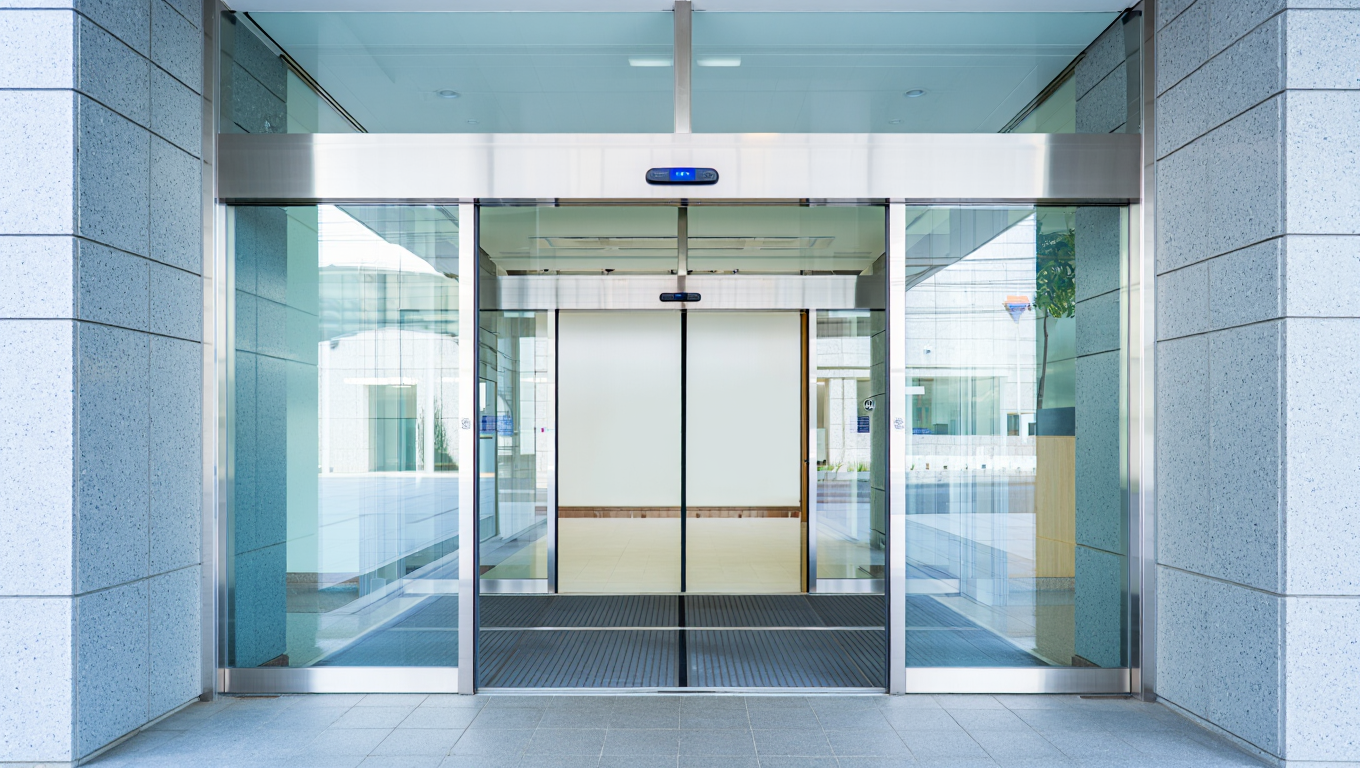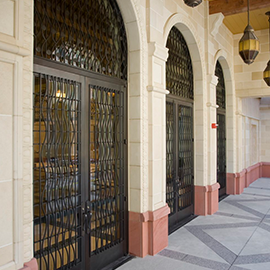

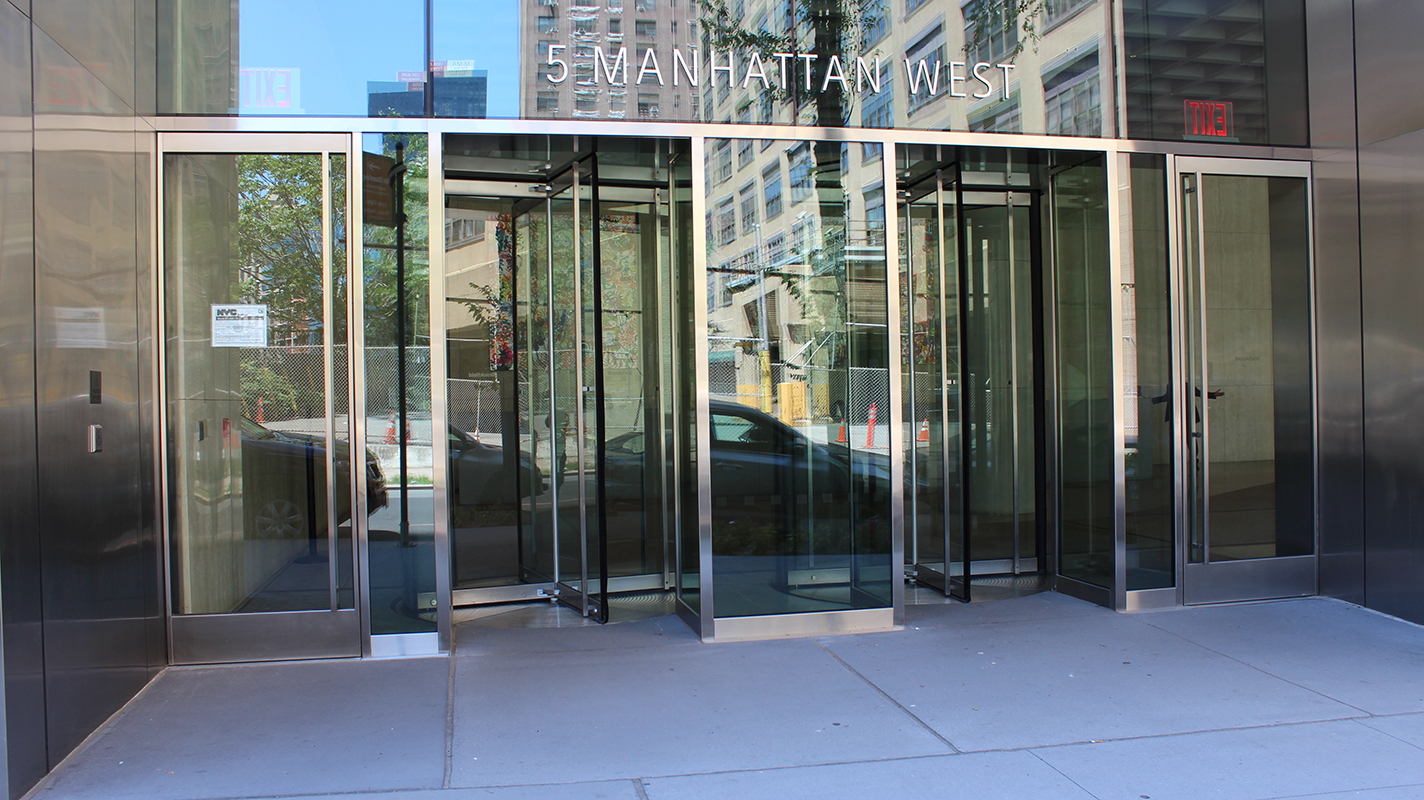
Door automation

sliding door cost

What Is Involved in Automatic Door Installation?

Automatic doors are a ubiquitous feature in today’s commercial spaces—from retail stores and office buildings to hospitals and airports. With an increasing demand for accessibility, hygiene, and security, automatic door installation has become more important than ever. For businesses considering this upgrade, it’s crucial to understand the full scope of what installation entails, from planning and system selection to technical setup and long-term maintenance.

Steps in Automatic Door Installation

Installing an automatic door system involves more than simply replacing a manual door with one that opens on its own. It requires precise coordination between architectural layout, electrical setup, safety standards, and user requirements.

Site Assessment and Measurements

The first and arguably most critical step in automatic door installation is the site assessment. Professional installers will evaluate the physical and structural characteristics of your entryway to determine what type of system is appropriate.

Key components of the assessment include:

  • Traffic Patterns: Analyzing the flow of foot traffic helps determine whether a sliding, swinging, or revolving door is most suitable.
  • Door Dimensions: Accurate measurements of the doorway and surrounding structures ensure a precise fit and proper operation.
  • Structural Compatibility: Installers will examine load-bearing walls and available space for housing sensors, motors, and control panels.
  • Accessibility Requirements: ADA compliance is often a critical factor for public-facing businesses, requiring thoughtful consideration of height, width, and user-friendly activation.

A site visit may also include consultations with architects or designers, particularly for custom installations or retrofits in historically sensitive buildings.

Electrical and Access Control Setup

Once the design and door type are finalized, attention turns to the electrical and control systems. Automatic doors require a reliable power source and may be integrated with access control features for enhanced security and convenience.

Electrical Work:

  • Power Supply Installation: Wiring must be run to the motor and sensor units, often requiring minor wall modifications.
  • Backup Systems: In environments such as hospitals or data centers, backup power sources (e.g., UPS systems) are integrated to ensure doors function during outages.
  • Sensor Placement: Sensors that detect motion or presence are calibrated to avoid false triggers and optimize door responsiveness.

Access Control Integration:

Modern automatic door systems can incorporate advanced access control technologies, including:

  • Keycard or Fob Readers
  • Biometric Scanners
  • Remote-Controlled Access via Apps
  • Touchless Entry Solutions (especially post-COVID-19)

Proper configuration ensures that only authorized personnel gain entry to commercial environments with restricted zones, thereby improving security and operational flow.

Testing and Safety Compliance

After the system is installed, the final phase involves rigorous testing and compliance checks to ensure safe and efficient operation.

Essential components of this stage include:

  • Motion and Safety Sensor Calibration: Ensures doors stop or reverse when an obstruction is detected.
  • Opening/Closing Speed Adjustment: Speeds are fine-tuned to balance safety and convenience.
  • Fire and Emergency Integration: Doors must interface with fire alarm systems to either remain open or closed, depending on code requirements.
  • Energy Code Compliance: In line with sustainability standards, newly installed doors must meet state and local energy efficiency regulations.

Following installation, the provider should issue a certification of compliance and schedule periodic inspections or maintenance to preserve system integrity.

Choosing the Right Automatic Door System

Different environments demand different door solutions. The right automatic door system should enhance not just aesthetics but also functionality, safety, and energy efficiency.

Types of Automatic Doors

The most common types of automatic doors include:

  • Sliding Doors: Ideal for high-traffic environments such as retail stores and airports.
  • Swing Doors: Suitable for narrower entries or where wall space is limited.
  • Revolving Doors: Often found in hotels and corporate lobbies for energy savings and elegant aesthetics.
  • Folding Doors: Used in areas where space is constrained but wide openings are needed occasionally.

Each type has benefits and drawbacks depending on factors like space constraints, climate exposure, and frequency of use.

Features to Consider

When selecting a system, consider the following:

  • Activation Method: Motion sensors, push buttons, or touchless panels?
  • Door Material: Glass for aesthetics, metal for durability, or wood for traditional style?
  • Insulation and Sealing: Energy efficiency is crucial, especially for climate-controlled environments.
  • Safety Compliance: Ensure the system meets ANSI/BHMA A156.10 or A156.19 standards for automatic pedestrian doors.
  • Brand Reputation: Work with established brands known for reliability and support.

An experienced installer will help you evaluate these features based on your specific business needs.

Common Installation Challenges

Even the most well-planned installation can encounter hurdles. Being aware of these issues can help mitigate delays and cost overruns.

Structural Modifications

Older buildings may require significant modifications to accommodate automatic doors, such as:

  • Widening Doorways
  • Reinforcing Walls
  • Installing New Headers or Frames

In some cases, additional permits may be required for structural changes, especially in landmarked buildings.

Integration with Existing Systems

Integrating automatic doors with legacy access control or security systems can present compatibility issues. Working with experienced professionals ensures seamless coordination with:

  • Security surveillance
  • Building management software
  • HVAC and fire systems

Weather and Environmental Conditions

Doors exposed to the outdoors must contend with moisture, dust, and temperature fluctuations. Choosing weather-resistant components and installing proper sealing solutions is essential for long-term durability.

Why Choose Door Automation Corporation?

When it comes to automatic door installation, partnering with the right provider can make all the difference. Door Automation Corporation stands out as a trusted leader in designing, installing, and maintaining cutting-edge door systems for commercial properties.

Our Services Include:

  • Custom Design and Consultation: We collaborate with top architectural firms across New York City to deliver tailored solutions.
  • Installation of Manual and Automatic Doors: From swing and slide to revolving doors, we cover every type.
  • Touchless Solutions: In the post-COVID-19 world, non-contact access is no longer optional. We provide retrofitting options and new installations that meet this growing demand.
  • Energy Compliance: All our automatic doors comply with modern energy efficiency standards, helping you meet local regulations while reducing utility costs.
  • Ongoing Support and Maintenance: Our skilled professionals are available to troubleshoot and maintain your system for years to come.

Final Thoughts

Automatic door installation is a multifaceted process that requires strategic planning, technical expertise, and an understanding of modern building requirements. From initial site assessment through electrical setup and final compliance checks, each phase is critical to achieving a safe, functional, and aesthetically pleasing result.

By selecting the right system and working with a reputable provider like Door Automation Corporation, your business will benefit from enhanced accessibility, energy efficiency, and user convenience.

Ready to Upgrade Your Entryways?

If you’re considering automatic doors for your commercial space, look no further than Door Automation Corporation. Our team is ready to assist you with custom design, expert installation, and reliable maintenance. Whether you need a new energy-compliant system or want to retrofit your doors for touchless operation, we offer dependable solutions that meet your unique needs.

Contact us today to learn how we can enhance your entryways with modern, secure, and hygienic automatic door systems.

Commercial automatic revolving door entrance for a commercial building in New York and New Jersey

How Much Does Automatic Door Repair Cost?

If an automatic door at your commercial building has stopped working properly, you are probably trying to figure out the automatic door repair cost before you call anyone out. The honest answer is that it depends on what broke, but most facility managers can expect anywhere from a couple hundred dollars for a sensor adjustment to several thousand for a full operator replacement. Repair is just one part of the broader automatic door service equation, and knowing the price ranges, the factors that push costs up or down, and when repair stops making sense compared to replacement will help you make a faster, better-informed decision.

Automatic Door Repair Cost by Component

Repair pricing depends heavily on which part of the system failed. Here is what most commercial properties can expect to pay:

Repair Type Typical Cost Range
Minor adjustments or recalibration $150 – $300
Sensor replacement $250 – $600
Operator (motor/drive unit) repair $400 – $1,200
Operator replacement $1,000 – $3,500
Glass or frame replacement $500 – $2,000+
Track or roller repair $300 – $1,200
Automatic doors at a commercial facility requiring regular preventative maintenance to reduce repair costs
High-traffic automatic door installations accumulate wear faster than lower-volume applications, which is part of why repair costs vary so much from one building to the next.

Labor typically runs $75 to $150 per hour, often with a one- to two-hour minimum. If the door fails after hours or on a weekend, expect an emergency service premium of roughly $200 to $500 on top of the standard repair cost.

What Drives Automatic Door Repair Cost Up or Down

A few variables consistently explain why two repair bills for what looks like the same problem can differ so much:

  • Door type: Sliding and swing doors use more widely available parts, while revolving door and balanced door systems require specialized components and more technical labor.
  • Brand and part availability: Proprietary operators or control boards can mean longer lead times and higher part costs than a generic-compatible system.
  • OEM versus generic parts: Original manufacturer parts usually add 15 to 30 percent to the bill but tend to reduce the odds of a repeat failure.
  • Emergency versus scheduled service: A same-day emergency call almost always costs more than a repair booked during normal business hours.
  • Labor rates by location: Technician rates in major metro markets run higher than in less dense markets, and complex jobs may require more than one technician.

Common Issues That Lead to an Automatic Door Repair Call

Sensor Problems

Motion and presence sensors are the most frequent failure point. Weather exposure and debris buildup gradually reduce their accuracy until the door stops responding reliably.

Motor or Operator Wear

A door that opens sluggishly or not at all usually points to a worn operator. This is one of the pricier repairs, which is why catching early warning signs matters.

Control Board Failure

The control board is the system’s logic center. When it fails, the door may stop responding correctly to sensor input even if the motor itself is fine.

Track and Roller Wear

For sliding systems, worn rollers or debris-packed tracks cause noisy, jerky movement. Left alone, this accelerates wear on the operator as well.
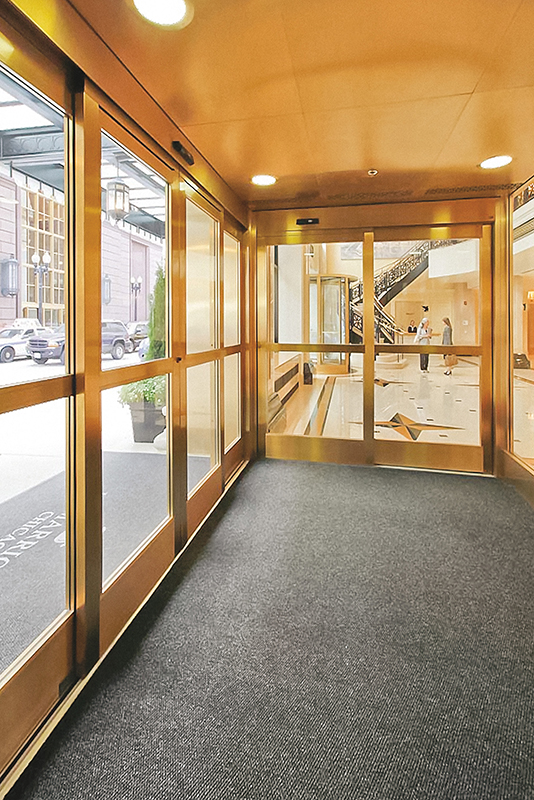
Commercial automatic sliding door system requiring sensor calibration and track maintenance to prevent costly repairs
Sliding door systems depend on clean, aligned tracks. Debris and worn rollers are among the most common and most preventable repair triggers.

How Maintenance Lowers Your Automatic Door Repair Cost Over Time

The gap between a reactive approach (fixing things only after they break) and a preventative approach shows up clearly once you look at annual numbers:

Approach Typical Annual Cost Per Door Risk Level Downtime Risk
Reactive only (repair when broken) $800 – $2,500+ High High, often unplanned
Preventative maintenance only $300 – $600 Low Minimal, planned
Preventative plus minor repairs $400 – $900 Low to moderate Very low

Two maintenance visits a year, ideally one in fall and one in spring, catches the seasonal wear that tends to turn into expensive emergency calls in the middle of winter or summer. Partnering with a provider for ongoing automatic door maintenance and a commercial door service contract builds this schedule in automatically, and most contracts also include priority emergency response and discounted labor rates on covered repairs, which further reduces the average automatic door repair cost over the life of the system.

Between professional visits, there are a few basic habits that meaningfully reduce wear: keeping tracks and thresholds free of debris, making sure signage is clear so users are not fighting the door’s natural speed, and having staff flag small issues (a squeak, a hesitation, a sensor that misses someone) before they become a full breakdown.

Warning Signs Worth Acting On Before the Automatic Door Repair Cost Climbs

  • Inconsistent activation, where the door opens for some people but not others
  • Grinding, clicking, or scraping sounds during operation
  • Noticeably slower or hesitant movement
  • A door that will not fully close
  • Visible damage to panels, frames, or the threshold

Our full breakdown of how to know when your automatic door needs repair goes deeper into these signs if you want to train your building staff to catch problems early.
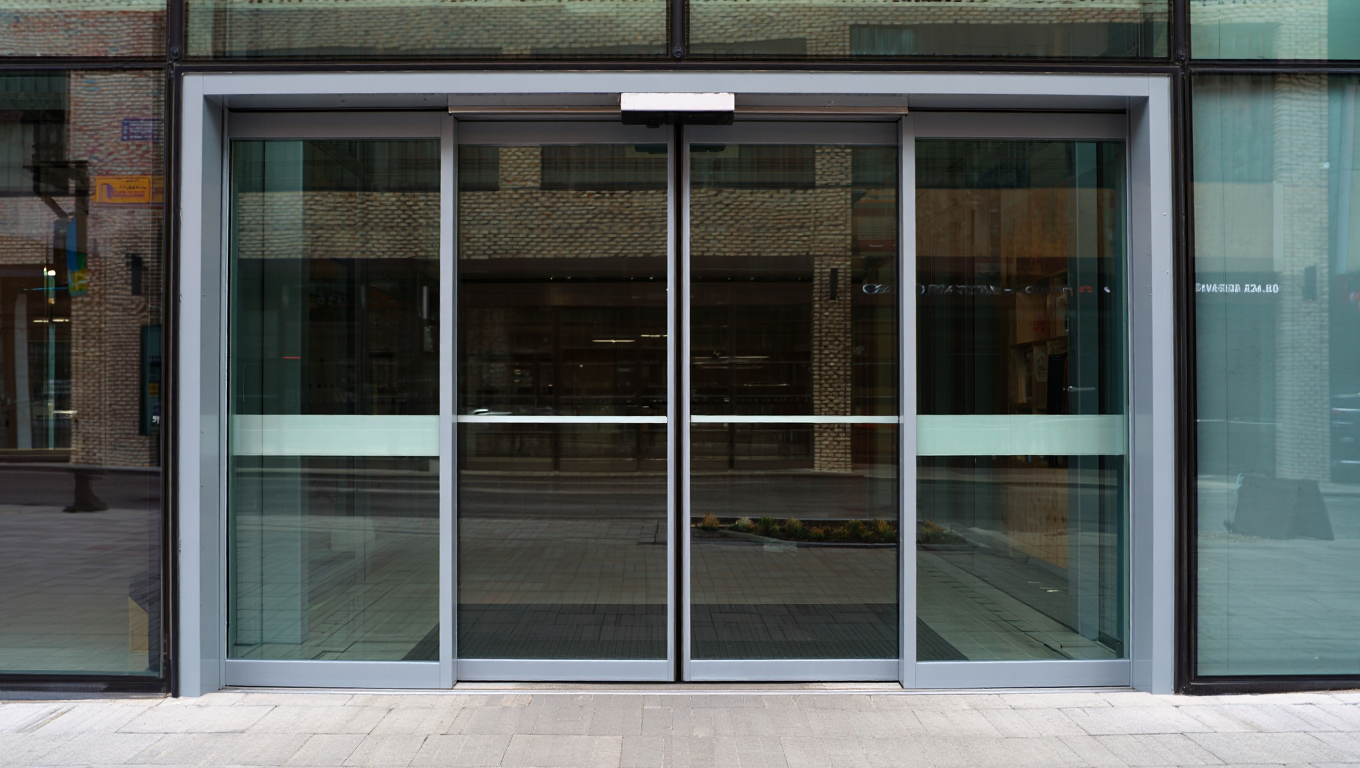
Commercial automatic swinging doors at a building entrance requiring biannual preventative maintenance service
Swing door operator arms and pivot hardware are common wear points that a biannual maintenance visit catches before they turn into an operator replacement.

Door-Type Specific Cost Considerations

Repair patterns differ depending on which of our automatic door types you have installed, so it helps to know what typically drives cost on your specific system:

  • Sliding doors: track and roller wear from debris accumulation is the primary cost driver
  • Swinging doors: operator arm connections and pivot hardware loosen over time and transfer vibration into the operator
  • Revolving doors: drive systems, speed controls, and wing alignment require more specialized (and pricier) service than sliding or swing systems
  • Balanced doors: the floor closer and overhead concealed closer are the most expensive components to replace, making their upkeep the top priority

When Repair No Longer Makes Sense

At some point, the smarter financial move shifts from repair to replacement. A few signs it may be time to stop repairing:

  • Repair costs over the past year have exceeded roughly half the system’s replacement cost
  • Parts for the operator or control system are becoming hard to source
  • The same component keeps failing after repair
  • The building would benefit from ADA compliance or the energy efficiency gains of an automatic door modernization upgrade

Our guide on automatic door repair versus replacement walks through how to weigh that decision in more detail.
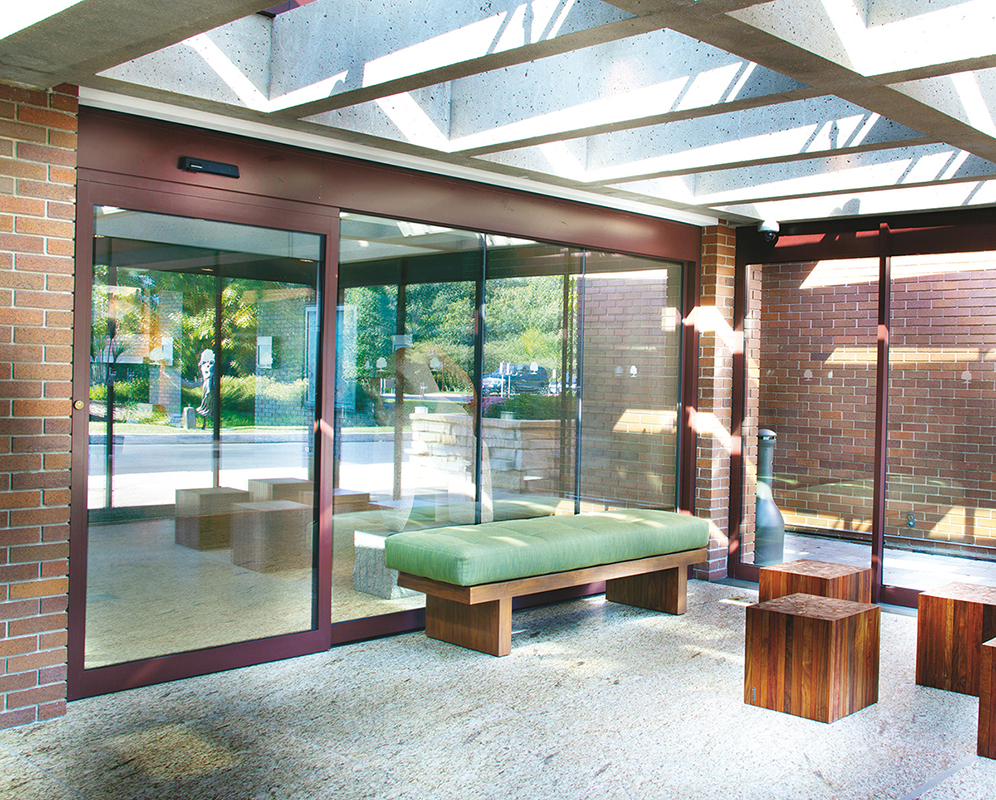
Commercial automatic door installation at a public facility requiring ongoing maintenance service contract
High-traffic public facilities benefit most from a structured maintenance agreement that pairs scheduled visits with priority emergency response.

Why Choose Door Automation Corporation

Door Automation Corporation provides full-service repair, maintenance, and installation for every major automatic door type, including storefront door repair. Our technicians are available for both scheduled and emergency repair calls, we offer touchless and ADA-compliant upgrade options, and our AAADM inspections double as an independent check on your system’s condition, often catching the small issues that keep automatic door repair cost from spiraling into a major bill.

If you want a structured way to track upkeep between visits, our maintenance checklist for commercial buildings is a useful reference for your facility team.

Frequently Asked Questions

What is the average automatic door repair cost?

Most repairs fall between $150 for a minor sensor adjustment and $3,500 for a full operator replacement. The average commercial service call, factoring in labor and common part replacements, tends to land in the $250 to $900 range.

Does an emergency repair cost more than a scheduled one?

Yes. Expect an additional $200 to $500 on top of the standard repair cost for after-hours or weekend emergency service. If the door is not a safety hazard, scheduling during business hours avoids this premium.

Is a maintenance contract worth it if I want to lower repair costs?

For most properties with two or more automatic doors, yes. A contract typically costs $500 to $1,500 per year and usually pays for itself within one to two years by catching problems early and reducing emergency calls.

How do I know if I should repair or replace my automatic door?

If repairs over the last 12 months have cost more than half of what a new system would cost, or if the same component keeps failing, replacement is usually the more economical choice.

Can building staff do anything to reduce automatic door repair cost themselves?

Yes. Keeping tracks and thresholds clear of debris, posting clear operating signage, and reporting unusual sounds or hesitation early all help. Internal adjustments to sensors, operators, or control boards should still be left to a qualified technician.

Get a Repair Estimate for Your Property

Whether your door needs a minor sensor adjustment or a full operator replacement, Door Automation Corporation provides fast, transparent estimates for commercial properties. Contact us today to schedule an inspection or get a custom repair quote.

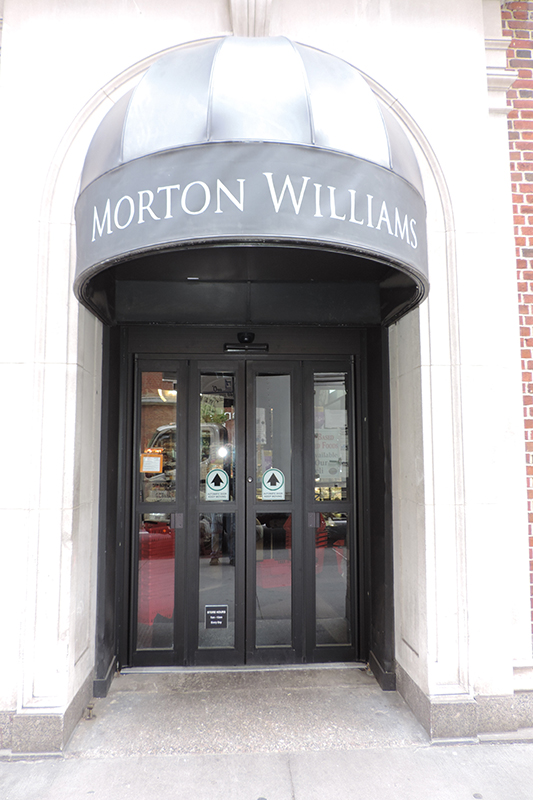
Redefining Safety: The Role of Automated Doors in Emergency Response Systems

Redefining Safety: The Role of Automated Doors in Emergency Response Systems

In today’s fast-paced and unpredictable world, safety has taken on a new definition—one where technology, design, and preparedness intersect. For facility managers and emergency planners, ensuring the well-being of occupants during crises isn’t just about following regulations; it’s about proactively leveraging advanced systems to save lives. One often overlooked yet critical component in emergency planning is emergency door automation.

Automatic doors, which have long been associated with convenience, are proving to be pivotal players in emergency response systems. By enhancing evacuation efficiency, supporting safety protocols, and fortifying building security, these intelligent entryways are redefining what it means to be “safe” in commercial and public environments.

Automated Doors in Emergency Situations

Emergencies, whether fire, earthquake, active threats, or pandemics, demand quick, coordinated responses. In such scenarios, every second counts, and accessibility becomes a matter of life or death. Traditional manual doors can present significant barriers to safe evacuation. They may be too heavy for the disabled or elderly, difficult to operate under stress, or require hands that may be carrying children or assisting others.

Automated doors eliminate these challenges. By opening quickly and hands-free, they enable smoother, faster movement of people during high-stress situations. In panic scenarios, crowd bottlenecks at doorways can result in injuries or worse. Automated sliding, swing, or revolving doors—particularly those with motion sensors and backup power supplies—remain operational even during power failures, ensuring uninterrupted access and egress.

Improving Evacuation Procedures

When disaster strikes, chaos and confusion can ensue. Automated doors help streamline evacuation by removing operational complexity. Multi-occupancy buildings such as hospitals, malls, universities, or corporate headquarters can significantly reduce choke points by automatically opening upon signal or detection.

Modern systems integrate with fire alarms and security infrastructure to initiate precise responses. For example, fire-rated automated doors can compartmentalize smoke and fire spread without manual intervention, while others open fully to clearly direct occupants to exits.

Emergency door automation plays a particularly critical role in aiding those with mobility challenges. By reducing the physical effort required to open a door, these systems uphold accessibility mandates and inclusive safety planning, ensuring no one is left behind in a crisis.

Integrating Automation in Emergency Systems

A well-orchestrated emergency response requires all systems—alarms, lighting, HVAC, and access control—to work in harmony. Automated doors can be programmed to operate within these larger ecosystems. When connected to centralized building management systems (BMS) or emergency communication protocols, doors can react based on the nature of the emergency.

For instance, in a fire, doors may automatically open for evacuation but stay closed in certain zones to block smoke. During an active shooter scenario, the same doors could be locked down to prevent unauthorized access. In pandemics like COVID-19, automation limits contact and reduces viral transmission, enabling safe, hygienic access without compromising security.

Enhancing Safety with Door Automation

The evolution of emergency preparedness has moved from reactive to proactive. Facilities are no longer just responding to threats—they are being built and modified to anticipate them. Automated doors play a crucial part in this evolution, offering not just access but strategic control over flow and function during emergencies.

Navigating Regulatory and Compliance Factors

Governmental bodies and safety standards organizations have noted the benefits automation offers in emergencies. Codes such as NFPA 101 (Life Safety Code), ADA Standards for Accessible Design, and the International Building Code (IBC) include provisions for automated doors in various safety contexts.

These standards stipulate specific door operation requirements, such as speed of opening, force to open manually (if necessary), battery backup, and emergency overrides. Automated doors also need to comply with energy efficiency guidelines, a requirement that has gained increased attention post-COVID as facilities strive to enhance sustainability and safety.

Working with a professional team that understands these complex regulations ensures that your facility remains compliant while benefiting from cutting-edge emergency door automation technology.

Design Considerations for Emergency Response

Incorporating automated doors into a facility’s emergency response plan requires more than just installation—it demands strategic design and planning. Emergency planners and architects must consider:

  • Traffic Flow: Doors should support high-volume foot traffic and be placed where they optimize evacuation routes.
  • Redundancy: In case of power failure, doors must have backup power sources or mechanical fail-safes.
  • Sensor Integration: Modern doors use motion sensors, thermal imaging, and even biometric access to respond intelligently to real-time situations.
  • Durability: Doors should be built from fire-resistant or impact-resistant materials, depending on the expected risk profile.

Working with Industry Experts

Partnering with experienced professionals like Door Automation Corporation ensures seamless integration of these considerations. With decades of experience working with top architectural firms in New York City, we provide not just door solutions but comprehensive access strategies.

Our expert design consultants work closely with clients to customize doors that meet both everyday operational needs and emergency preparedness goals. Whether retrofitting existing structures or planning new facilities, we provide solutions that marry aesthetic appeal with lifesaving functionality.

Why Emergency Door Automation Is the Future

The growing threat landscape—ranging from climate-driven natural disasters to public health crises and security threats—demands smarter infrastructure. Automated doors are more than modern conveniences; they are pivotal to intelligent building design.

Emergency door automation empowers facility managers and emergency planners with control, foresight, and the ability to act swiftly when it matters most. Unlike static, manual doors, automated systems are dynamic components of a responsive safety network—one that can mean the difference between chaos and control.

These systems also offer tangible commercial benefits. From enhancing user experience in commercial settings to reducing liability through compliance and accessibility, investing in automated door systems represents a strategic move toward future-proof facility management.

How Door Automation Corporation Can Help

At Door Automation Corporation, we specialize in creating secure, functional, and reliable entryways that serve both day-to-day operations and emergency contingencies. Our offerings include:

  • Automatic and Manual Doors: Swing, slide, and revolving options to fit any architectural need.
  • Non-Contact Door Operation: Essential in the post-COVID era for hygiene and user safety.
  • Energy-Compliant Solutions: All new systems meet or exceed current energy codes for automated doors.
  • Custom Modifications: Tailored retrofits that bring older doors up to modern standards without major overhauls.
  • Design Collaboration: We partner with renowned architectural firms to ensure our products meet the highest design and performance standards.
  • 24/7 Support: Our team is always available to assist with installation, maintenance, and emergency response planning.

Whether you’re building a new facility or upgrading an existing one, Door Automation Corporation has the expertise and technology to help you stay ahead of the curve.

Ready to Redefine Safety in Your Facility?

Don’t wait for an emergency to expose vulnerabilities in your infrastructure. Enhance your building’s preparedness and user safety today with smart, reliable emergency door automation.

Partner with Door Automation Corporation—your trusted experts in automated and manual commercial door solutions. Explore our full range of services and schedule a consultation with one of our design consultants.

Your safety systems deserve the best. Let us help you build a safer, smarter future—one door at a time.

Designing for Impact: How Custom Door Automation Enhances Building Aesthetics

Designing for Impact: How Custom Door Automation Enhances Building Aesthetics

The Intersection of Design and Automation

In the ever-evolving landscape of modern architecture, the convergence of aesthetics and technology has become a hallmark of innovative design. Custom door automation stands at this intersection, transforming entrances from mere functional thresholds into integral design elements that enhance the visual appeal and usability of commercial spaces.

Architects and building designers are increasingly seeking ways to integrate cutting-edge automation solutions into their architectural visions. As buildings grow smarter and more responsive to human needs, the role of automated entry systems has expanded well beyond utility. Custom door automation enables a seamless blend of style, convenience, and performance, elevating the experience of entry and exit for occupants and visitors alike.

Benefits of Custom Door Solutions

While automation may initially be considered for its practical benefits, the value it adds to design should not be underestimated. Custom door automation offers a host of advantages that extend across both form and function:

  • Enhanced User Experience: Automated doors provide smooth, hands-free entry and exit, which is particularly beneficial in high-traffic areas, for individuals with disabilities, and in settings with hygiene concerns.
  • Improved Safety and Security: Integrated sensors and access control systems help manage building security without compromising aesthetic intent.
  • Energy Efficiency: Modern automated door systems are designed to minimize air leakage and can be synchronized with HVAC systems, contributing to sustainable design objectives.
  • Custom Design Flexibility: Unlike one-size-fits-all solutions, custom automation allows for architectural creativity, enabling doors to complement or even become focal points of the building’s facade.

Enhancing Aesthetics through Advanced Technology

Technology no longer sits in the background of design. Instead, it is now a visible, deliberate component that enhances both the appearance and performance of building features. When thoughtfully integrated, custom door automation becomes a visual asset.

Consider how subtle yet sophisticated motion sensors, low-profile motors, and silent operation mechanisms preserve the design integrity of glass facades, heritage buildings, or high-end retail storefronts. Automated doors no longer need to be bulky or intrusive. With the right partner and technology, they can blend seamlessly into a building’s design language.

Material and Finish Options

One of the hallmarks of custom door automation is the ability to tailor materials and finishes to suit the aesthetic goals of a project. Whether the goal is to achieve a sleek contemporary look or match the historical charm of a heritage building, material choices play a critical role:

  • Glass: Frameless or minimally framed automated glass doors offer transparency and openness, ideal for modern and commercial settings.
  • Wood: Custom wood finishes provide warmth and character, ideal for boutique retail, hospitality, or office spaces.
  • Metal: Brushed stainless steel, bronze, or aluminum finishes bring a modern, industrial edge to entrances while offering durability.
  • Custom Coatings: Powder coatings and color-matched finishes ensure doors align with brand colors or architectural palettes.

With a wide array of material and finish options, designers can create automated door systems that not only function effortlessly but also enhance the building’s visual identity.

Integrating Automation with Architectural Design

For architects, every line, texture, and opening is part of a greater design narrative. Automated doors should support and enhance that narrative. Custom door automation enables this by adapting to the nuances of the architectural vision:

  • Hidden Mechanisms: Motor drives and tracks can be concealed within floors or ceilings, maintaining clean architectural lines.
  • Adaptive Sizing: Doors can be customized to match oversized or unusually shaped openings, preserving scale and proportion.
  • Coordinated Motion: Synchronization of multiple doors or integration with lighting and security systems creates a unified experience.
  • Preservation of Historic Elements: In retrofits or renovations, custom automation allows for modernization without disrupting heritage aesthetics.

The result is a cohesive and fluid design that respects both the artistic and practical needs of the space.

Examples of Impactful Custom Installations

Custom door automation is being employed in a wide range of environments, each with its unique aesthetic and operational demands. Here are a few real-world scenarios where automation has made a significant impact:

Corporate Headquarters in Midtown Manhattan

A Fortune 500 firm upgraded its lobby with custom sliding glass doors that disappear into the walls. The automation system was built into the ceiling, making the doors nearly invisible when open. The result is a minimalist, high-tech entrance that reflects the company’s innovation-driven brand.

Boutique Hotel in Brooklyn

A boutique hotel worked with Door Automation Corporation to install custom wood-framed swing doors that open automatically for guests arriving with luggage. The warm wood finish matches the mid-century interior, while the motion sensors are concealed within overhead beams, preserving the space’s aesthetic authenticity.

Urban Medical Center in Queens

An urban healthcare facility integrated non-contact door automation in all entryways and internal passageways. These doors use antimicrobial materials and operate hands-free to reduce germ transmission. The clean lines and glass surfaces contribute to a modern, hygienic appearance, promoting trust and comfort for patients and visitors.

Art Gallery in SoHo

An upscale art gallery opted for frameless revolving doors that operate silently. This solution creates an uninterrupted flow between the indoor and outdoor spaces while maintaining temperature and humidity control essential for artwork preservation. The automation hardware was completely hidden, allowing the gallery’s minimalist design to remain undisturbed.

Why Work with Door Automation Corporation?

At Door Automation Corporation, we understand that entrances are more than just access points—they are part of your building’s identity. That’s why we specialize in providing custom door automation solutions that merge form with function.

Our team works closely with architects and designers to develop access systems that meet each project’s unique aesthetic, operational, and safety requirements. From sleek sliding doors for corporate lobbies to touchless entry systems for medical and educational facilities, we have the expertise and products to bring your vision to life.

Here’s what sets us apart:

  • Custom Capabilities: We offer a wide range of materials and design options to match any architectural style.
  • Expert Consultation: As trusted design consultants, we collaborate with many of the top architectural firms in New York City.
  • Advanced Technology: Our solutions include motion sensors, access controls, and non-contact operation—ideal for post-COVID environments.
  • Regulatory Compliance: All our new automatic door systems adhere to energy compliance standards and industry regulations.
  • Professional Support: Our skilled professionals ensure your systems are installed, maintained, and functioning reliably.

Make Your Building Stand Out

Whether you’re designing a corporate campus, cultural institution, medical facility, or boutique storefront, integrating custom door automation can significantly enhance the appeal, usability, and innovation of your project. It’s an investment in both beauty and performance.

Contact us today to explore how we can help you create functional, dependable, and visually stunning entryways that leave a lasting impression.

Call to speak with one of our design consultants. Let’s bring your architectural vision to life—one door at a time.

Case Studies in Innovation: How Iconic Buildings Are Transforming Entrances with Automation

Case Studies in Innovation: How Iconic Buildings Are Transforming Entrances with Automation


Overview of Automated Entrance Innovations

In the ever-evolving landscape of modern architecture and commercial design, automated building entrances are no longer a futuristic concept—they’re a critical component of functionality, aesthetics, and security. Iconic buildings across the globe are embracing automation at their entrances, not just for the wow factor but to deliver operational efficiency, enhanced security, and a seamless user experience. These pioneering structures serve as real-world laboratories of innovation, setting benchmarks for what’s possible and practical in entrance automation.

From corporate headquarters to cultural landmarks, the entrance is the first point of interaction between the building and its visitors. As such, it must balance accessibility, safety, visual appeal, and efficiency. For facility managers, architects, and designers, the integration of automated doors isn’t just about convenience—it’s about rethinking how people move through spaces in a world increasingly shaped by technology, hygiene concerns, and energy standards.

Key Technologies in Building Entrance Automation

Automated entrance systems have come a long way from the basic sliding doors found in retail environments. Today’s technologies offer an integrated approach to building security, accessibility, and environmental control. Here are some of the top technologies currently shaping automated building entrances:

  • Motion and Presence Sensors: These enable doors to open when someone approaches, but advanced sensors can differentiate between a person and a stationary object, minimizing false triggers and improving energy efficiency.
  • Biometric Access Control: Fingerprint, facial recognition, and retina scans are being deployed at building entrances to allow secure, personalized access, especially in high-security facilities.
  • Touchless Entry Systems: A must-have post-COVID, these systems rely on proximity sensors, wave-to-open buttons, or smartphone-based apps to ensure no physical contact is needed.
  • Energy-Efficient Doors: Modern automated doors are designed to meet energy compliance standards, with features like thermal breaks, tight sealing, and airlock systems to minimize energy loss.
  • Integrated Access Management Systems: These work with a building’s overall access control strategy and include timed lock/unlock cycles, emergency lockdown capabilities, and visitor management integration.
  • Revolving and Swing Door Automation: Suitable for high-traffic entrances, these systems manage crowd flow while maintaining air pressure and reducing HVAC costs.

Lessons Learned from Iconic Installations


Emerging Trends in Entrance Automation

The future of automated building entrances is being shaped by both technological advances and changing societal expectations. Here are some trends that architects and facility managers should keep on their radar:

  • AI-Driven Traffic Flow Optimization: Artificial intelligence is increasingly used to manage peak-time flows, identifying bottlenecks and adjusting door operation speeds or patterns accordingly.
  • Remote Monitoring and Maintenance: IoT-connected door systems enable predictive maintenance and diagnostics, reducing downtime and improving longevity.
  • Customized User Profiles: Biometric and mobile-based access control can be linked to personalized user experiences, such as lighting or elevator presets, based on the person entering.
  • COVID-19 Hygiene Standards: Demand for non-contact and antimicrobial surface materials continues to grow. Expect to see increased use of gesture-based opening systems and UV-sanitized touchpoints.
  • Green Building Certifications: Energy-efficient automated entrances now contribute significantly to LEED and WELL certifications, making them essential for sustainability-focused projects.

Measuring Impact on Building Operations

Automated entrances are not just a “nice-to-have”—they directly affect building performance. Here’s how their impact can be measured:

  • Security Improvements: Integrated access systems reduce unauthorized entries. Reporting functions allow for precise logging of entry and exit data, which is crucial for audits or emergencies.
  • Operational Efficiency: Lower operational costs result from reduced need for manned entry points, faster throughput, and minimized door-related maintenance.
  • Energy Savings: Climate-controlled door systems and revolving doors significantly reduce heating and cooling losses. This is a major win for buildings seeking energy compliance.
  • User Experience: The smooth operation of doors, reduced wait times, and enhanced accessibility contribute to higher occupant satisfaction. This is especially important in retail, hospitality, and corporate environments where first impressions matter.
  • Compliance and Risk Management: Smart automation solutions make it easier to meet ADA compliance, fire code regulations, and touchless entry standards.

The Role of Door Automation Corporation

At Door Automation Corporation, we specialize in creating automated entrances that are functional, secure, and beautifully integrated with your building’s architecture. Whether you’re working on a renovation project or designing an iconic new structure, our expertise in automated building entrances ensures that your solutions meet today’s highest standards for convenience, hygiene, and energy efficiency.

We offer:

  • Automatic and Manual Doors: Including swing, slide, and revolving door options.
  • Touchless Access Modifications: Ideal for post-COVID environments where hygiene is a priority.
  • Energy-Compliant Door Systems: Designed to support LEED goals and other green certifications.
  • Design Consulting Services: Trusted by top architectural firms across New York City, we work with you from the conceptual stage through installation.

Our team of reliable professionals ensures every project benefits from industry-leading products and decades of specialized knowledge. When you’re ready to transform your entrance into a modern, secure, and welcoming space, trust Door Automation Corporation.

Contact us today to learn more about our automated solutions and to schedule a consultation with our expert team. Your building’s transformation starts at the door.