Blog

Breaking the Mold: Customizable Automatic Doors for Unique Architectural Designs

Breaking the Mold: Customizable Automatic Doors for Unique Architectural Designs


In a world where form must increasingly complement function, custom automatic doors are emerging as silent protagonists in cutting-edge architecture. No longer confined to utilitarian roles, automatic doors are now designed to make powerful aesthetic statements while offering seamless accessibility. As buildings grow more complex and expressive, the demand for bespoke door solutions is accelerating among architects, designers, and property developers.

At Door Automation Corporation, we believe that an entryway is more than just a transition point—it’s an integral component of the architectural narrative. With a deep commitment to blending innovation, security, and style, our custom automatic doors are crafted to meet the evolving demands of modern architecture.

The Importance of Customization in Door Automation

Every building tells a story, and like any good story, the entrance sets the tone. Off-the-shelf door systems may serve basic functions, but they often fall short when paired with distinctive architecture or specialized building purposes. Custom automatic doors address this challenge by offering tailored solutions that respect the architectural vision while meeting functional needs like energy efficiency, ADA compliance, and non-contact operation.

For commercial spaces, hospitals, retail hubs, and museums, an automatic door must do more than open and close. It must echo the environment it inhabits—visually, functionally, and spatially. Whether a building emphasizes minimalism, opulence, sustainability, or historic preservation, customization ensures that no compromises are made between aesthetics and usability.

Design Considerations for Unique Architectures

Designers and engineers must weigh numerous factors when crafting door systems for one-of-a-kind spaces. Structural integrity, operational flow, energy efficiency, and visual cohesion are just the start. Custom automatic doors must also address the building’s purpose, user accessibility, and the surrounding spatial dynamics.

Some of the most vital design considerations include:

  • Architectural Style: Whether the building is ultra-modern, art deco, industrial, or historically significant, the door must complement its context.
  • Usage Frequency: High-traffic areas, like airports or shopping centers, require durable mechanisms that perform consistently under stress.
  • Spatial Constraints: Irregular layouts or limited clearance often require creative solutions like curved or telescoping doors.
  • Environmental Conditions: External weather patterns, wind load, and thermal performance can all influence design and material selection.

By addressing these variables early in the planning phase, architects can integrate automation systems that enhance—rather than disrupt—the flow and character of a structure.

Benefits of Tailored Automatic Door Solutions


Elevating Brand Identity

For businesses and institutions, a customized entrance offers an immediate opportunity to make a strong first impression. A well-designed automatic door can reflect brand values—be it innovation, luxury, accessibility, or sustainability.

Improving Accessibility

Custom solutions can incorporate wider clear openings, hands-free operations, and user-sensitive technologies, making them ideal for hospitals, assisted living facilities, and public buildings where universal accessibility is critical.

Enhancing Security

Security features such as access control systems, reinforced glass, or bullet-resistant materials can be integrated into custom doors without compromising the design. This makes them perfect for government buildings, banks, and educational institutions.

Supporting Energy Efficiency

Custom automatic doors can be designed to reduce energy loss through intelligent sensors, airlock vestibules, and materials with high thermal resistance. These additions help buildings meet or exceed energy compliance standards.

Future-Proofing with Touchless Technology

Since the COVID-19 pandemic, the need for non-contact entryways has surged. Customized door automation enables retrofitting and new installations with touchless technologies like motion sensors, wave-to-open switches, and mobile access.

Custom Materials and Finishes

Material selection is a defining aspect of any custom door project. It influences not just the appearance but also durability, weight, and environmental resistance. At Door Automation Corporation, we offer a wide range of material options:

  • Glass: From clear tempered to frosted and low-E insulated glass, offering transparency and thermal performance.
  • Metals: Stainless steel, bronze, anodized aluminum, or custom powder-coated finishes for a sleek and modern look.
  • Wood & Laminates: Perfect for preserving a warm or heritage aesthetic, especially in historic renovations or boutique hotels.
  • Composite Panels: High-strength, lightweight options for doors requiring specific acoustic or fire-resistant ratings.

Finish options like brushed textures, mirror-polishing, etching, or even branded graphics can further personalize the look to match or accentuate a building’s visual identity.

Integrating Automation with Design Aesthetics

Automated entry systems should feel like a natural extension of the building’s design—not a mechanical afterthought. Through thoughtful planning and advanced engineering, it’s possible to hide hardware, sensors, and motors within the structural envelope or architectural features.

Here are some ways our team ensures visual cohesion:

  • Concealed Tracks and Operators: Hidden within ceilings or wall cavities for a clean, uninterrupted look.
  • Curved and Angular Door Tracks: Matching the flow of unusual geometries or creating dramatic effects in circular spaces.
  • Glass-to-Glass Interfaces: Offering a seamless look with minimal framing.
  • LED and Backlighting: For a futuristic or branded glow around entries, especially in retail or entertainment settings.

Customization also allows for smart integrations with building management systems (BMS), enabling automated scheduling, emergency lockdown, or climate-based operations—all without sacrificing aesthetic integrity.

Case Examples of Custom Door Installations


Case 1: New York City Art Museum

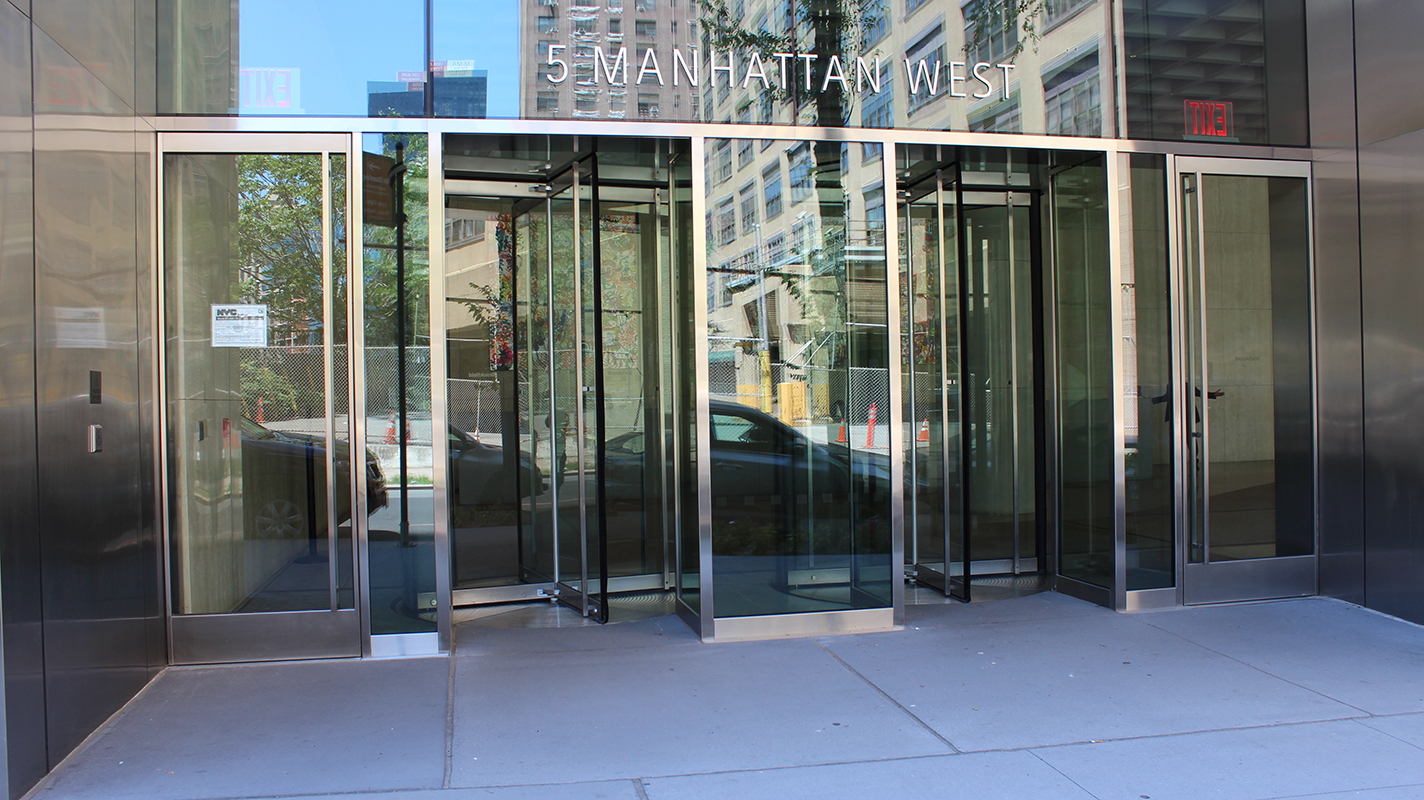
A world-renowned museum in NYC required custom revolving doors that could maintain interior climate control while echoing the modernist tones of its newly renovated façade. Door Automation Corporation worked closely with the architectural firm to fabricate frameless glass revolving doors with custom bronze accents and near-silent motors. The result: an entryway that invites visitors with elegance while supporting energy conservation.

Case 2: Healthcare Facility in Manhattan

Hospitals have unique needs—hands-free access, hygiene, and security. A leading Manhattan healthcare facility needed sliding doors for its surgical units with antimicrobial coatings and integrated wave sensors. Door Automation Corporation provided custom stainless steel sliding doors with lead-lining for radiation protection, meeting all regulatory and functional demands without compromising speed or ease of use.

Case 3: Corporate Headquarters

A Fortune 500 company’s flagship HQ required a striking, branded entrance that reinforced its image of innovation. We engineered bi-parting glass doors with laser-etched company logos and incorporated RGB lighting that shifts based on time of day. Automation was tied into their smart building network for maximum energy efficiency and security.

Why Architects Choose Door Automation Corporation

Our legacy lies not only in our state-of-the-art products but also in our collaborative approach. We’re not just installers—we’re design consultants who bring a wealth of knowledge to every phase of a project, from conceptual design to final execution.

  • Diverse Solutions: From swing and sliding doors to revolving and telescopic systems, we provide options that meet the demands of any space.
  • Unmatched Customization: Materials, configurations, access technologies, and finishes are all tailored to suit your design goals.
  • COVID-Conscious Modifications: We provide innovative, non-contact solutions and upgrades for safer public interactions.
  • Code & Energy Compliant: Our automatic doors meet ADA, ANSI/BHMA, and energy standards for commercial spaces.
  • Top-Tier Collaborations: Our team frequently works with leading architectural firms across New York City, contributing to iconic builds.

Partner with Door Automation Corporation for Your Next Project

In the evolving landscape of commercial architecture, entry systems have become more than transitional elements—they are expressions of creativity, symbols of access, and enablers of function. If you’re looking to elevate your building’s design through intelligent, visually stunning, and fully customized door automation, we’re here to help you bring that vision to life.

Let’s break the mold together. Contact us today to schedule a consultation. Whether you’re retrofitting an existing space or designing from the ground up, our team is ready to deliver the custom automatic doors your project deserves.

What Are Automatic Swing Doors Used For?

Unlocking the Future: How IoT-Enabled Automatic Doors Are Redefining Building Security


In an increasingly interconnected world, building security systems are evolving rapidly to keep pace with modern threats. One of the most transformative advancements in this field is the emergence of IoT automatic doors. By integrating smart technology, these doors offer enhanced control, monitoring, and security capabilities that traditional access systems cannot match. Whether in commercial buildings, hospitals, or residential properties, IoT-enabled automatic doors are quickly becoming essential for modern security strategies.

Overview of IoT Automatic Doors Technology

IoT automatic doors combine traditional automated entry systems with smart sensors, cloud connectivity, and remote monitoring tools. These smart doors leverage the Internet of Things (IoT) to enable secure, efficient, and remote access control. Key elements include:

  • Smart Sensors: Equipped with motion sensors, cameras, and biometric readers for advanced security features.
  • Cloud Integration: Real-time data exchange allows facilities managers to track door activity from anywhere.
  • Remote Access Control: Authorized users can manage entry permissions, lock or unlock doors, and receive alerts via smartphone apps or web portals.
  • AI and Data Analytics: Some systems incorporate machine learning to detect suspicious activity and adjust access permissions accordingly.

By combining automation with intelligent control systems, IoT automatic doors enhance both convenience and safety for building occupants.

Benefits of IoT-Enabled Security Systems


How IoT Enhances Building Security

Integrating IoT technology with automatic doors offers several security advantages:

  1. Enhanced Access Control: IoT-enabled doors allow for precise access control, ensuring only authorized individuals gain entry. Features like facial recognition, fingerprint scanning, and RFID integration offer enhanced security beyond standard keycard systems.
  2. Real-Time Monitoring: Facility managers can track door activity, such as unauthorized access attempts or unusual entry patterns, in real-time. This proactive monitoring ensures faster response times to security breaches.
  3. Remote Lock and Unlock: Remote control capabilities enable authorized personnel to lock or unlock doors from anywhere, ensuring building security in emergencies or during off-hours.
  4. Audit Trails and Reporting: IoT systems generate comprehensive logs of door activity, providing valuable insights into security trends, employee access patterns, and maintenance needs.
  5. Enhanced Safety Features: Integrated emergency protocols, such as automatic lockdown or fire-safety integration, ensure the protection of building occupants.

Integrating IoT with Existing Infrastructure

While IoT-enabled automatic doors are advanced, they can be integrated into existing security infrastructure with minimal disruption. Key integration steps include:

  • Assessing Current Systems: Identify which security devices, such as surveillance cameras, alarms, or badge readers, can connect to the IoT platform.
  • Selecting Compatible Devices: Choose IoT-enabled door systems that are compatible with your building’s wiring, communication protocols, and access control software.
  • Establishing Secure Networks: Since IoT devices connect to the internet, robust cybersecurity measures such as encryption, firewalls, and regular software updates are essential.

Implementation & ROI Considerations


Key Features of Modern IoT Doors

When investing in IoT automatic doors, it’s important to prioritize features that deliver optimal security and operational efficiency:

  1. Smart Sensors and Biometric Integration: Advanced sensor technology ensures seamless entry while detecting suspicious movements. Biometric integration, such as fingerprint or facial recognition, adds an extra layer of security.
  2. Energy Efficiency: Modern IoT doors adhere to automated door energy compliance standards, reducing power consumption and improving building sustainability.
  3. Non-Contact Operation: Amidst the COVID-19 pandemic, touchless entry solutions have become vital. IoT automatic doors equipped with motion sensors or voice control provide secure, non-contact entry options.
  4. Customizable Access Levels: IoT systems enable facility managers to assign custom permissions, allowing different levels of access for employees, contractors, and visitors.

Calculating ROI for IoT Automatic Doors

While IoT-enabled automatic doors represent an upfront investment, their long-term benefits can result in significant cost savings. Key ROI factors include:

  • Enhanced Security Reduces Losses: By preventing unauthorized access and theft, IoT doors mitigate potential financial risks.
  • Lower Maintenance Costs: IoT-enabled systems can self-diagnose issues, ensuring proactive maintenance and fewer emergency repairs.
  • Energy Savings: Energy-efficient doors reduce HVAC costs by minimizing air leakage and improving insulation.
  • Improved Operational Efficiency: Remote control and automation streamline entry management, reducing staffing needs and saving time.

Request a Quote Today

At Door Automation Corporation, we specialize in providing innovative solutions that ensure convenient, secure access to commercial spaces. Our skilled professionals work with industry-leading products to deliver reliable automatic doors, whether swing, slide, or revolving models. We understand the increasing demand for non-contact door openings in the wake of COVID-19 and can modify your existing entryways or install new automated solutions that meet energy compliance standards.

Partner with us for professional design consultation, high-performance security solutions, and seamless integration with your building’s architecture. Contact us today to discuss how our IoT automatic doors can elevate your building’s security and convenience.

Smart and Sustainable: The Rise of Eco-Friendly Automatic Door Technologies

Smart and Sustainable: The Rise of Eco-Friendly Automatic Door Technologies


Automatic doors have become a common feature in modern commercial buildings, enhancing accessibility, security, and convenience. As sustainability becomes increasingly important, eco-friendly automatic doors are emerging as a powerful solution for businesses seeking to reduce energy consumption and meet green building standards. These advanced systems not only minimize environmental impact but also improve cost savings and operational efficiency.

Evolution of Eco-Friendly Door Technologies

The push for sustainable building solutions has driven the development of eco-friendly automatic doors. Today, manufacturers are revolutionizing automatic door technology to meet higher sustainability standards.

Energy Efficiency and Cost Savings

Modern eco-friendly automatic doors are designed with energy efficiency in mind. Key advancements include:

  • Low-E Glass Technology: Many eco-friendly automatic doors utilize low-emissivity (Low-E) glass, which minimizes heat transfer and reduces heating and cooling demands within commercial spaces.
  • Enhanced Insulation: Improved thermal sealing mechanisms and tighter frames reduce air leakage, enhancing indoor climate control.
  • Motion and Presence Sensors: Advanced sensor technology ensures automatic doors open only when necessary, preventing excessive heat loss or gain.

By incorporating these innovations, eco-friendly automatic doors reduce energy waste, contributing to lower utility bills and improved building efficiency.

Material Innovations in Eco-Friendly Doors

Sustainability is not limited to energy efficiency; the materials used in manufacturing automatic doors play a significant role as well. Modern eco-friendly doors feature:

  • Recycled Aluminum Frames: Lightweight yet durable, recycled aluminum minimizes the demand for raw materials while ensuring structural strength.
  • Sustainable Glass Options: Manufacturers increasingly use glass made from sustainable sources or recycled content, reducing environmental impact.
  • Eco-Conscious Coatings and Finishes: Low-VOC coatings are now standard in automatic doors, ensuring uncompromised indoor air quality.

These material innovations align automatic door systems with broader green building objectives, such as LEED certification.

Certification and Compliance Standards

Eco-friendly automatic doors are often designed to meet or exceed established green building certifications, including:

  • LEED (Leadership in Energy and Environmental Design): Doors equipped with energy-saving features contribute points toward LEED certification for commercial buildings.
  • NYC Building Code: New York City has the most strict energy code in the country.

Building owners and architects can align their projects with sustainable best practices by choosing eco-friendly automatic doors that adhere to these certifications.

Benefits of Sustainable Automatic Doors

Eco-friendly automatic doors provide a variety of advantages that extend beyond environmental impact. Their benefits include:

Improved Energy Efficiency

Sustainable automatic doors reduce energy consumption, helping commercial spaces maintain comfortable indoor temperatures and lowering utility costs.

Enhanced Indoor Comfort

By minimizing drafts and temperature fluctuations, eco-friendly automatic doors contribute to a more pleasant environment for occupants.

Reduced Maintenance Costs

Modern designs with improved insulation, durable materials, and advanced sensors experience fewer operational issues, leading to lower maintenance costs over time.

Compliance with Green Building Standards

Eco-friendly automatic doors make it easier for building owners to achieve certifications like LEED, demonstrating their commitment to environmental responsibility.

Enhanced User Experience

Features such as touchless access improve hygiene and convenience, which is particularly important in high-traffic commercial spaces and healthcare facilities.

Installation and Maintenance Insights

Proper installation and ongoing maintenance are critical to maximizing the efficiency and longevity of eco-friendly automatic doors. Consider the following best practices to ensure optimal performance:

Installation Best Practices

  1. Partner with Experienced Professionals: Work with trusted industry experts, like Door Automation Corporation, to ensure proper installation and adherence to energy efficiency standards.
  2. Assess Building Layout: Position doors in strategic locations to minimize exposure to outdoor elements and reduce drafts.
  3. Calibrate Sensors Accurately: Ensure motion and presence sensors are configured for optimal responsiveness to avoid unnecessary openings.
  4. Install Energy-Saving Modes: Many modern automatic doors include energy-saving settings that reduce motion sensor sensitivity during off-peak hours.

Ongoing Maintenance Tips

  1. Routine Cleaning: Regularly clean door sensors, tracks, and seals to maintain smooth operation and prevent debris buildup.
  2. Inspect Weatherstripping: Check for gaps or worn-out weatherstripping that may compromise insulation.
  3. Schedule Professional Inspections: Annual maintenance visits by trained technicians help identify potential issues before they escalate.

Sustainable Solutions with Door Automation Corporation

Eco-friendly automatic doors are an excellent investment for businesses aiming to reduce energy consumption and support environmental sustainability. Whether you’re upgrading existing entryways or designing a new commercial building, Door Automation Corporation offers reliable solutions tailored to your needs.

At Door Automation Corporation, we provide a comprehensive range of automatic and manual door systems, including swing, slide, and revolving doors. Our skilled professionals install energy-efficient entryways that meet industry standards for automated door energy compliance. We also provide innovative non-contact door operation solutions to enhance hygiene and convenience—an increasingly essential feature in today’s commercial spaces.

As trusted design consultants working with top architectural firms in New York City, our team is dedicated to delivering reliable, functional, and secure door solutions that meet the highest performance and sustainability standards.

Contact us today to explore our range of eco-friendly automatic doors and enhance the energy efficiency of your commercial space.

What Are Building Access Control Systems?

The Future of Entryways: Innovations in Automatic Door Technology


The way people access buildings is evolving, and automatic door technology is at the forefront of this transformation. From energy efficiency to touchless operation and smart integrations, automatic doors are enhancing convenience, security, and sustainability in modern buildings. As the demand for intelligent entryway solutions grows, businesses and property owners must stay informed about the latest innovations shaping the future of automatic door systems.

Emerging Trends in Automatic Door Technology

Automatic doors have come a long way from simple motion-activated sliding doors. The latest advancements are making these systems more efficient, secure, and adaptable to various environments. From integrating artificial intelligence to using eco-friendly materials, these emerging trends are setting new standards for entryways.

Energy-Efficient Technologies in Automatic Doors

One of the most significant innovations in automatic door technology is the integration of energy-efficient solutions. As businesses strive to meet sustainability goals, modern automatic doors are being designed to minimize energy consumption.

  • Insulated and Low-E Glass Doors: Many automatic doors now feature insulated or Low-E (low emissivity) glass, which reduces heat transfer and helps maintain interior temperatures. This is particularly beneficial for commercial spaces looking to reduce heating and cooling costs.
  • Thermally broken door and frames which prevent the exterior cold temperatures from being transmitted through the door and frame to the interior.


  • Adaptive Motion Sensors: Traditional motion sensors open doors as soon as motion is detected, often leading to unnecessary energy loss. New adaptive sensors can distinguish between intentional and accidental movement, reducing instances of unnecessary openings.
  • Air Curtain Integration: Air curtains installed above automatic doors create a barrier that prevents external air from entering, improving indoor climate control and reducing HVAC energy costs.


Touchless Solutions for Enhanced Hygiene and Accessibility

The COVID-19 pandemic accelerated the adoption of touchless technology in public spaces, and automatic doors played a crucial role in minimizing contact points.

  • Wave-to-Open Sensors: Instead of pushing a button, users can wave their hands in front of a sensor to activate the door, eliminating the need for physical contact.
  • Mobile App Controls: Some advanced automatic door systems can be controlled via mobile applications, allowing users to open doors using their smartphones.
  • Voice-Activated Doors: Integration with voice recognition technology enables users to command doors to open with simple verbal instructions.
  • RFID and Facial Recognition Access: In high-security environments, doors equipped with RFID technology or facial recognition allow seamless entry for authorized personnel.

How Smart Features Are Revolutionizing Automatic Doors

The rise of smart technology has significantly improved the functionality and intelligence of automatic door systems. Today’s smart doors are more than just entry points; they are an integral part of a building’s security and automation strategy.

Integrating Automatic Doors with Building Automation Systems

Automatic doors are no longer standalone solutions—they are becoming key components of integrated building management systems (BMS). By connecting to these networks, automatic doors can enhance security, efficiency, and user experience.

  • Real-Time Monitoring and Diagnostics: Smart doors can be monitored remotely, with real-time data on door usage, performance, and maintenance needs.
  • Integration with Security Systems: Automatic doors can be linked to access control systems, ensuring only authorized individuals enter restricted areas.
  • Data-Driven Traffic Analysis: Businesses can analyze entry and exit data to optimize building layouts, staffing levels, and security protocols.
  • Emergency Protocols: Smart doors can be programmed to respond to emergency situations by automatically locking down or providing quick exit routes.

The Benefits of Upgrading to Advanced Automatic Door Systems

Investing in modern automatic door technology provides numerous advantages for commercial buildings, hospitals, retail stores, and other public spaces.

  • Enhanced Security: With features like biometric access control, smart locks, and remote monitoring, automatic doors contribute to better security.
  • Improved Accessibility: Touchless and smart entry solutions make it easier for individuals with disabilities to access buildings.
  • Increased Energy Efficiency: Upgraded doors with energy-saving features help businesses reduce operational costs.
  • Better Hygiene: Reducing contact points lowers the spread of germs, a crucial benefit in healthcare and food service industries.
  • Compliance with Modern Standards: New automatic doors meet energy compliance regulations and accessibility requirements, ensuring businesses stay up to date with legal standards.

Future-Proof Your Entryways with Door Automation Corporation

As automatic door technology continues to evolve, businesses must stay ahead of the curve to provide secure, efficient, and convenient entryways. Door Automation Corporation is your trusted partner in integrating cutting-edge automatic door solutions for commercial spaces. Whether you need swing, slide, or revolving doors, our industry-leading products and expert team ensure reliable, functional, and secure entry solutions.

We specialize in non-contact door operation modifications, helping businesses adapt to the growing demand for touchless technology. Our automatic doors comply with standard automated door energy regulations, making them a smart choice for energy-conscious businesses. Additionally, as experienced design consultants, we collaborate with top architectural firms in New York City to create innovative and aesthetically pleasing entryways.

Upgrade your entryways with the latest in automatic door technology. Contact us today to discuss your needs and find the perfect solution for your commercial space. Quote

Durability and Style: Caring for Stainless Steel Doors in Manhattan Properties

Durability and Style: Caring for Stainless Steel Doors in Manhattan Properties


Stainless steel doors are an ideal choice for Manhattan properties, offering a perfect balance of durability, security, and aesthetic appeal. Whether used in commercial buildings, luxury residential developments, or industrial facilities, these doors stand up to the test of time while maintaining a sleek and modern appearance. However, regular care and maintenance are essential to keep stainless steel doors looking pristine and functioning optimally.

Why Choose Stainless Steel Doors for Manhattan Properties?

Manhattan’s high-traffic commercial and residential spaces require entryways that are both sturdy and visually appealing. Stainless steel doors meet these demands due to their:

  • Exceptional Durability: Resistant to rust, corrosion, and damage from environmental factors.
  • High Security: Stainless steel doors provide a solid and reliable barrier against forced entry.
  • Low Maintenance: Unlike wood or aluminum, stainless steel requires minimal upkeep to maintain its appearance.
  • Modern Aesthetic: The sleek and sophisticated look of stainless steel enhances the professional appearance of commercial properties.
  • Fire Resistance: Many stainless steel doors are fire-rated, adding an extra layer of safety.

For these reasons, business owners, property managers, and architects in New York City frequently choose stainless steel doors for their buildings.

Regular Cleaning and Maintenance

To ensure stainless steel doors remain in top condition, it’s important to follow a routine cleaning and maintenance schedule. Here are some key steps:

Daily and Weekly Cleaning

  • Dust and Wipe Down: Use a soft, lint-free cloth or microfiber cloth to remove dust and fingerprints.
  • Mild Soap and Water: Mix warm water with a mild detergent or dish soap. Use a damp cloth to wipe down the surface, then dry it immediately to prevent water spots.
  • Non-Abrasive Cleaners: Avoid using harsh chemicals, scouring pads, or steel wool, as these can scratch the surface.

Removing Stains and Smudges

  • Fingerprints and Smudges: A mixture of vinegar and water or a stainless steel cleaner can effectively remove fingerprints.
  • Grease or Oil Marks: A small amount of rubbing alcohol or acetone can be applied with a cloth to break down grease.
  • Rust or Corrosion Spots: While stainless steel is resistant to rust, occasional exposure to harsh environments can cause small rust spots. A paste of baking soda and water can be used to gently scrub affected areas.

Preventing Scratches and Damage

  • Use Soft Materials: Always use soft cloths or sponges for cleaning to avoid scratching the surface.
  • Avoid Harsh Chemicals: Chlorine-based or acidic cleaners can cause discoloration or pitting in stainless steel.
  • Regular Inspections: Periodically check for dents, scratches, or other damage that might require professional repair.

Protecting Stainless Steel Doors from Environmental Damage

Manhattan’s climate, with its humidity, rain, snow, and pollution, can take a toll on stainless steel doors. Here are a few steps to protect them:

  • Apply a Protective Coating: A stainless steel polish or protective sealant can help repel moisture and dirt.
  • Install Overhangs or Canopies: These can provide additional protection from direct exposure to the elements.
  • Regularly Check for Moisture Buildup: Ensure that door frames and seals are intact to prevent water damage and rust.

Ensuring Functionality and Longevity

Beyond keeping stainless steel doors clean, it’s essential to maintain their functionality. This includes:

  • Lubricating Hinges and Tracks: Apply a silicone-based lubricant to prevent squeaking and ensure smooth operation.
  • Inspecting Seals and Gaskets: Check for wear and tear on weather stripping and replace it if necessary.
  • Checking Automatic Door Mechanisms: For stainless steel automatic doors, ensure that motion sensors and safety features are working correctly.

Non-Contact Door Solutions for Modern Buildings

With the ongoing emphasis on hygiene and touch-free entry solutions, many Manhattan properties are upgrading their doors to offer non-contact access.

Door Automation Corporation provides:

  • Motion-Activated Entry Systems: Allowing hands-free access to commercial buildings.
  • Wave Sensor Controls: Enabling users to open doors with a simple wave.
  • Smart Integration: Ensuring doors work seamlessly with security and building automation systems.

These upgrades not only enhance convenience and safety but also contribute to a more modern and sophisticated building environment.

Why Work with Door Automation Corporation?

When it comes to high-quality stainless steel doors and entryway solutions, Door Automation Corporation is the trusted name in New York City. We specialize in:

  • Automatic and manual door solutions, including swing, slide, and revolving doors.
  • Custom modifications for non-contact door operation, ensuring compliance with current safety and hygiene standards.
  • Industry-leading products, providing secure and dependable entryways.
  • Collaboration with top architectural firms, ensuring seamless integration with building designs.

Whether you need new stainless steel doors, modifications for automatic functionality, or expert maintenance, our team is ready to assist.

Contact Us Today

Ensure your Manhattan property is equipped with durable, stylish, and functional stainless steel doors. Contact us today to discuss your door automation needs and schedule a consultation with our experienced team.